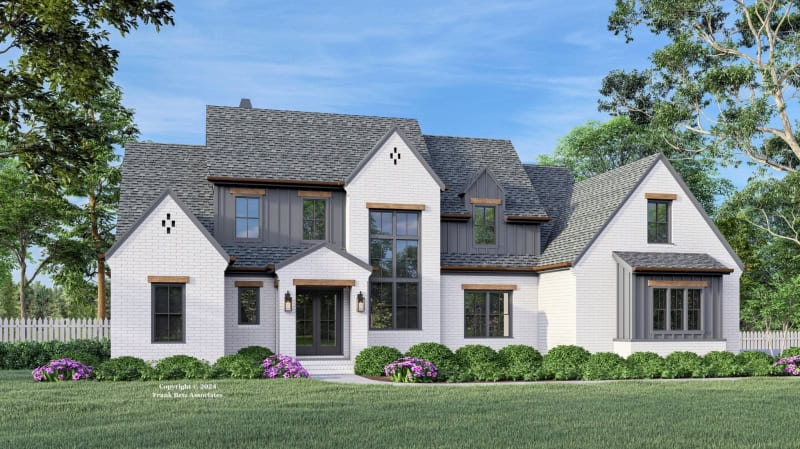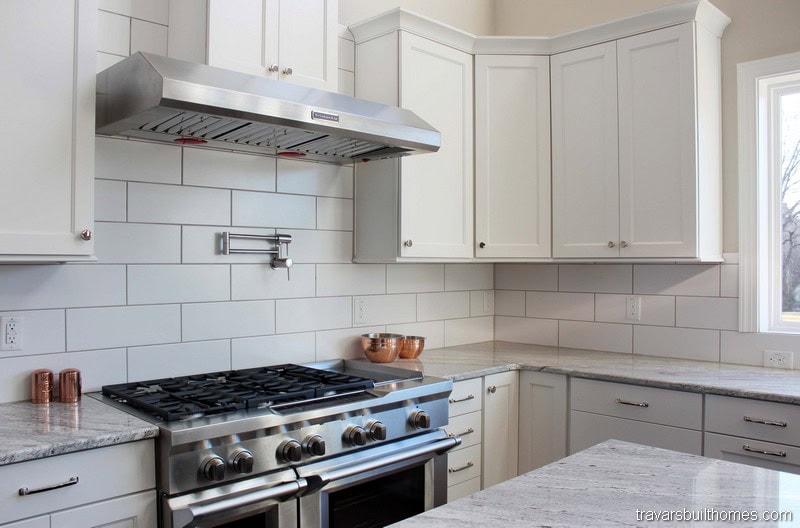
Building on family land is one of the most meaningful ways to create a home, combining a new space with a property that already has history, familiarity, and long-term value.
At Travars Built Homes, we regularly work with homeowners planning to build on land owned by parents, relatives, or long-held property. In many cases, that means creating a new homesite through subdivision before construction even begins.
Our role often starts earlier than most people expect, helping you think through how the land and the home should work together from the beginning.
What Does It Mean to Build on Family Land?
Building on family land typically involves using an existing parcel to create a new homesite.
That may include:
- Dividing a larger property into one or more lots
- Placing a home on a portion of land while retaining the remainder
- Planning multiple homes over time on the same property
Each situation is different, but in most cases, the success of the project depends on decisions made before final plats are completed.
Planning Before the Land Is Divided
One of the most common challenges with family land is that subdivision decisions are made without fully considering the home that will eventually be built.
In practice, it’s often helpful to have a tentative floor plan much earlier in the process. The layout and footprint of the home influence how the land should be divided, affecting everything from driveway placement to usable yard space.
We often step in early to help evaluate:
- Driveway placement and access from the road
- Topography and slope (how the home will sit on the land)
- Drainage and water flow across the property
- Septic and well locations, where applicable
- Orientation for natural light and outdoor living
- How the home footprint fits within each proposed homesite
By thinking through both the land and the home together, the final layout is more intentional and avoids constraints later.
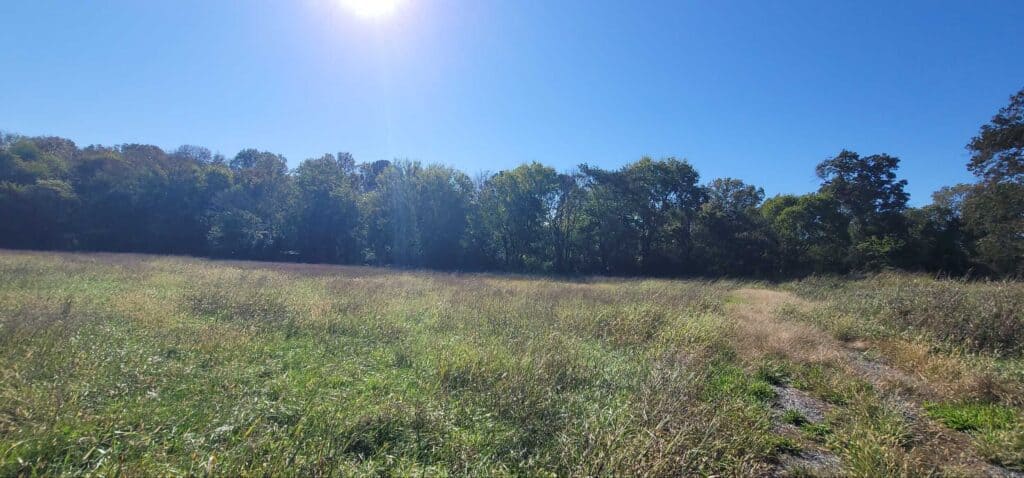
Designing the Home Alongside the Land
Rather than waiting until after subdivision is complete, we often begin with a working floor plan early in the process.
This doesn’t lock anything in, but it provides a practical framework for:
- Understanding how much space the home needs
- Positioning the home correctly on the lot
- Planning outdoor living areas
- Allowing for driveways, grading, and utilities
- Preserving flexibility for future use of the property
As the land plan and home plan evolve together, both become better aligned and the end result feels more intentional.
Why Early Builder Involvement Matters
By the time a plat is finalized, many key decisions are already locked in.
That’s why we often work with homeowners before subdivision is complete, helping align:
What we help align
- The land layout
- The homesite location
- The home footprint and layout
Which avoids
- Driveways that don’t align well with the home
- Limited buildable area due to setbacks or slope
- Missed opportunities for better orientation or privacy
It also leads to a home that feels like it belongs on the land.
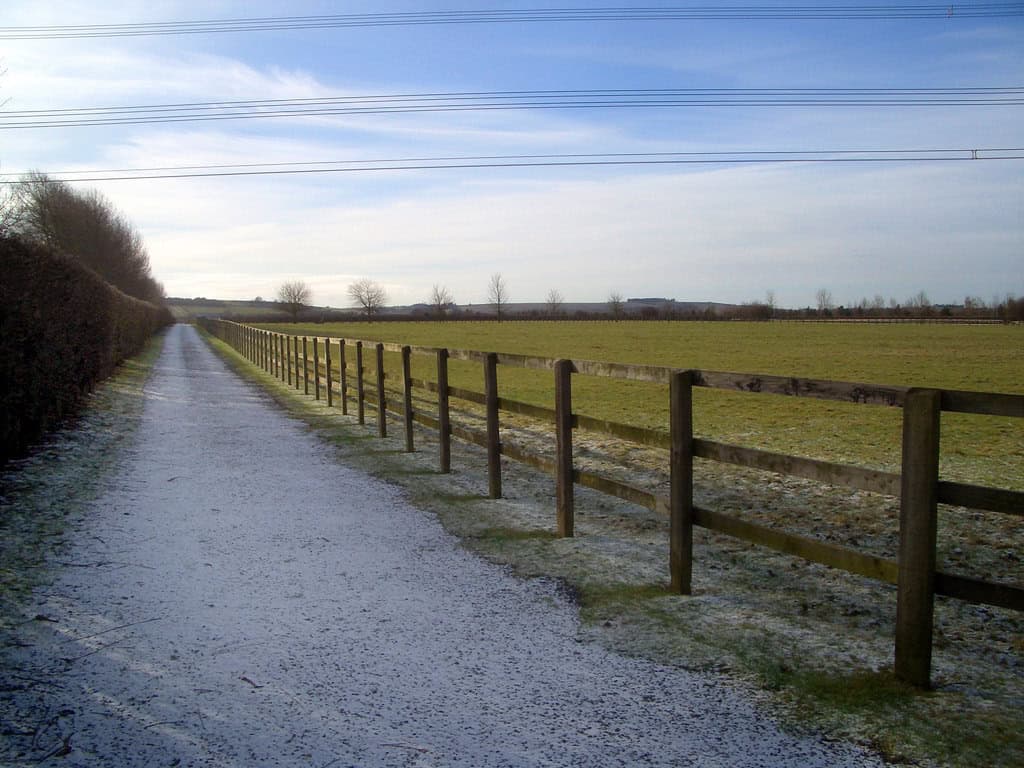
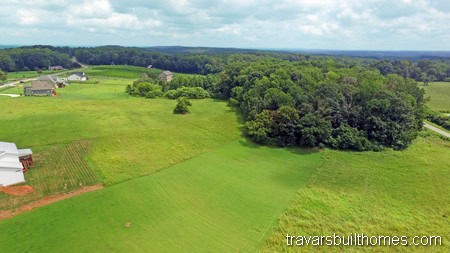
Field and Fence. Photo by Des Blenkinsopp, CC BY-SA 2.0
Common Situations We See
Building on family land can take many forms. Some of the most common include:
- Creating a new homesite on a larger property
- Dividing land for multiple future homes
- Building near an existing home while maintaining separation
- Planning a long-term layout for how the property may change over time
Each of these requires slightly different considerations, but the process always starts with understanding the land first.
What to Consider Before You Start
If you’re planning to build on family land, it’s helpful to think through a few key questions early:
- How will the property be divided?
- Where should the home be located on the land?
- What access points make the most sense?
- Are utilities already available, or will they need to be added?
- How might the property be used in the future?
Answering these questions early can save time, reduce redesign, and lead to a better overall result.
Our Approach
Travars Built Homes offers a builder-led process designed to guide you through both the land and the home.
- Early input before subdivision is finalized
- Practical guidance on site planning and layout
- Working floor plans used to inform land decisions
- Flexible plan customization
- Clear communication throughout the process
Our goal is to help you make informed decisions early so the home, the land, and the overall plan all work together.
FAQs About Building on Family Land
Can you help before the land is subdivided?
Yes. We’re often involved before final plats are submitted, helping evaluate layout, access, and site considerations so the homesite is set up well from the beginning.
When should I choose a floor plan if I’m building on family land?
Earlier than most people expect. A preliminary plan helps guide decisions about subdivision, homesite layout, and how the property will function overall. The plan can evolve, but starting with one leads to better outcomes.
Do I need to have the land divided before starting the process?
Not necessarily. In many cases, it’s helpful to begin conversations before subdivision is complete.
Can you build more than one home on the same property?
That depends on local zoning and subdivision rules, but we can help you think through how a property might be planned for multiple homes over time.
Does building on family land change the home design?
Often, yes. The layout, orientation, and footprint are typically adjusted to fit the property.
Can you help evaluate whether a piece of land will work for a home?
Yes. We can walk the property and help you understand how a home could fit before moving forward.
What is the first step?
Start with a conversation. We’ll talk through your land, your goals, and where you are in the process.
Start the Conversation
If you’re considering building on family land, we’d be glad to walk through the property with you and help you think through the next steps.