
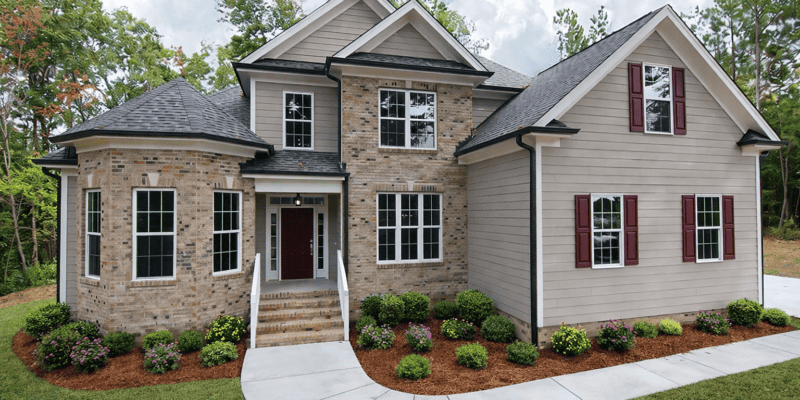
Empty nesters across central North Carolina are entering a stage of life where home starts to look different. With kids grown and daily routines changing, many are choosing to build a home that fits the way they want to live now — with more comfort, less upkeep, and spaces that feel intentional rather than oversized. Pittsboro has become a top choice for this transition because it offers the best of both worlds: small-town calm with easy access to Chapel Hill, Durham, Cary, and Raleigh.
As builders, we see consistent themes in what truly adds value during this season of life. Here’s how homeowners are rethinking design, layout, and lifestyle features as they create a home that supports flexibility, connection, and long-term livability.
Why Are So Many Empty Nesters Choosing Pittsboro?
Pittsboro offers the balance empty nesters want: peaceful surroundings, easy access to Chapel Hill and Raleigh, and communities designed with privacy and nature in mind. Market research shows that suburban and small-town locations with strong amenities are especially appealing to 55+ buyers. Pair that with Chatham County’s growing arts, food, and outdoor scene, and it’s easy to understand why this demographic gravitates here.
What Floor Plan Features Matter Most?
1. Main-Level Living
The AARP Home and Community Preferences Survey highlights that older adults overwhelmingly prefer homes with accessible primary living spaces on the main floor. We design most Pittsboro-area homes with the owner’s suite, kitchen, living space, and laundry all on the first level — making daily life simpler and safer over time.

2. Flexible Guest Spaces
Many empty nesters want rooms that adapt: a guest suite for visiting adult children, a hobby room, or a study that doubles as overflow space. These flexible spaces allow the home to evolve over time without requiring major renovations or additional square footage.
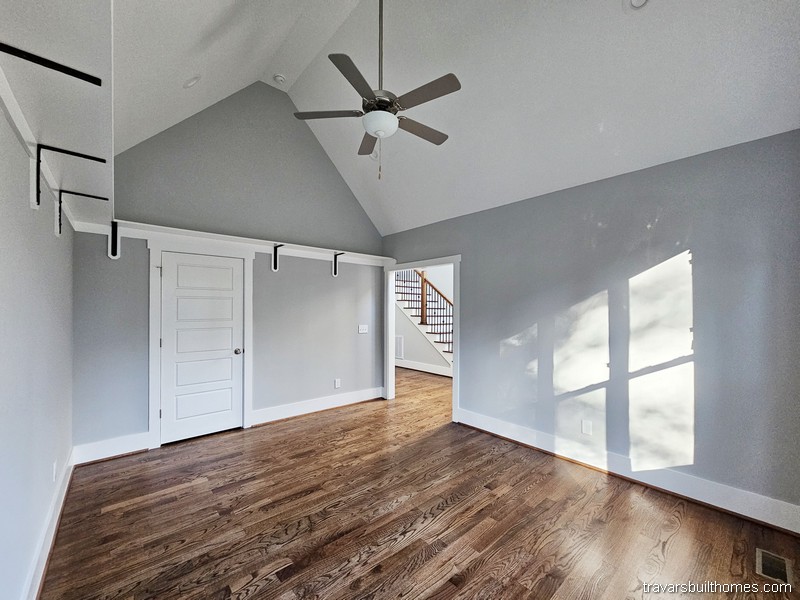
3. Open Layouts With Defined Purpose
Open designs remain popular, but clarity in how spaces connect helps ensure the home feels intimate rather than oversized. When we walk through plans with homeowners, we focus on flow, natural light, and accessibility.
What Lifestyle Amenities Do Empty Nesters Want?
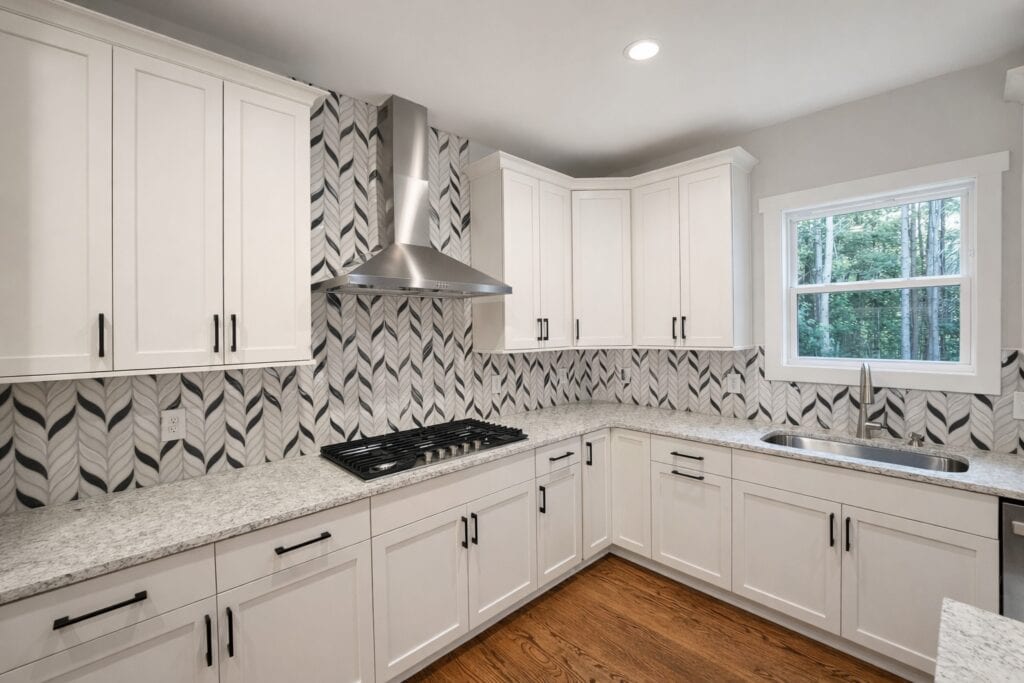
- Storage That’s Just the Right Size: Walk-in pantries, organized laundry rooms, and smart closet systems help homeowners live comfortably without excess space that goes unused.
- Outdoor Living: Covered porches, grilling patios, and low-maintenance yards are high priorities.
- Low Maintenance & Energy Efficiency: Energy-efficient appliances, durable exterior materials, and reduced-maintenance landscaping help empty nesters spend less time on upkeep.
Floor Plans From Travars Built Homes That Fit Empty Nester Needs
Here are some Travars Built Homes floor plan ideas that align with what we see empty nesters seeking — features like main-floor primary suites, flexible living areas, and accessible layouts. These include homes like:
- Amherst— A comfortable one-story home that balances living space and ease of navigation.
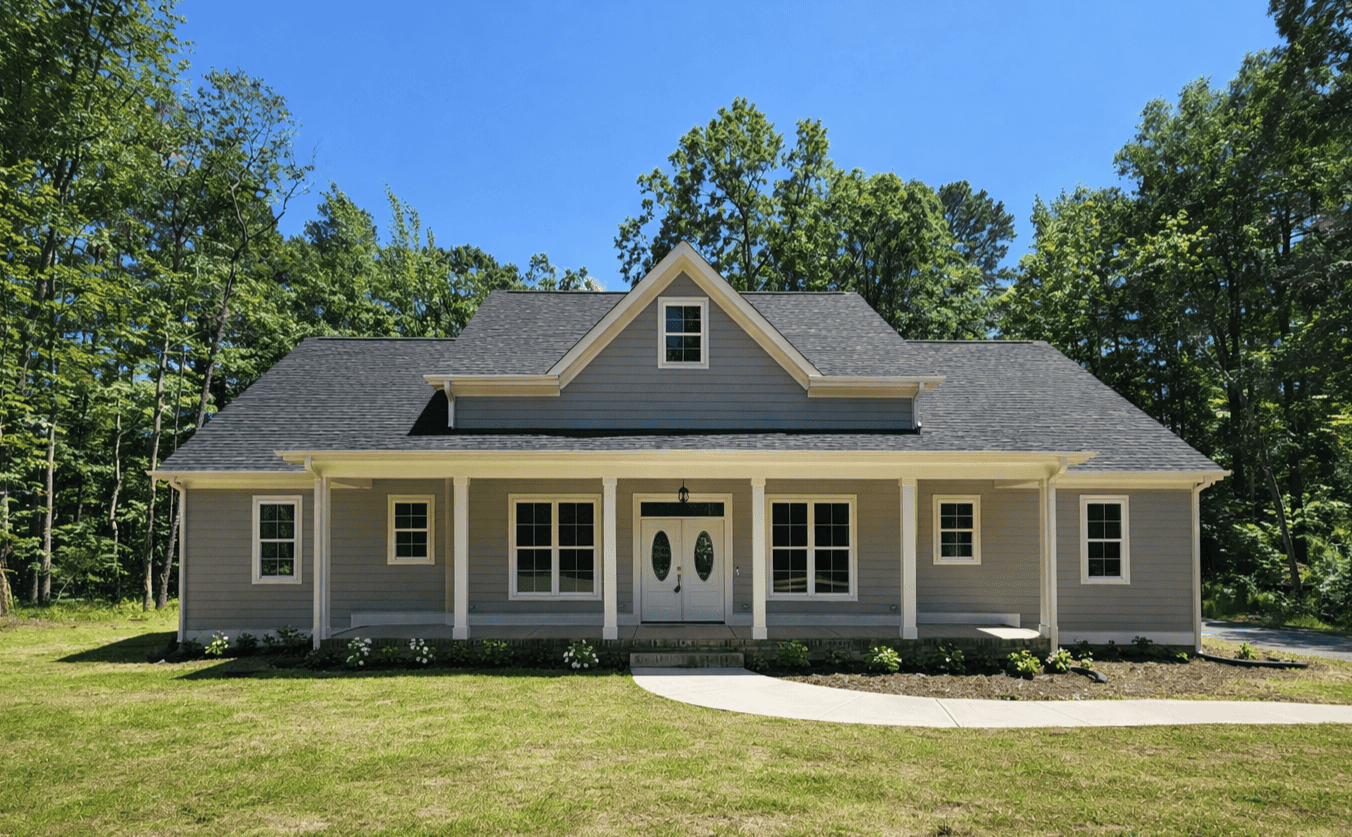
- Noni Cottage — A more compact home with a first-floor primary suite, perfect for low-maintenance living.
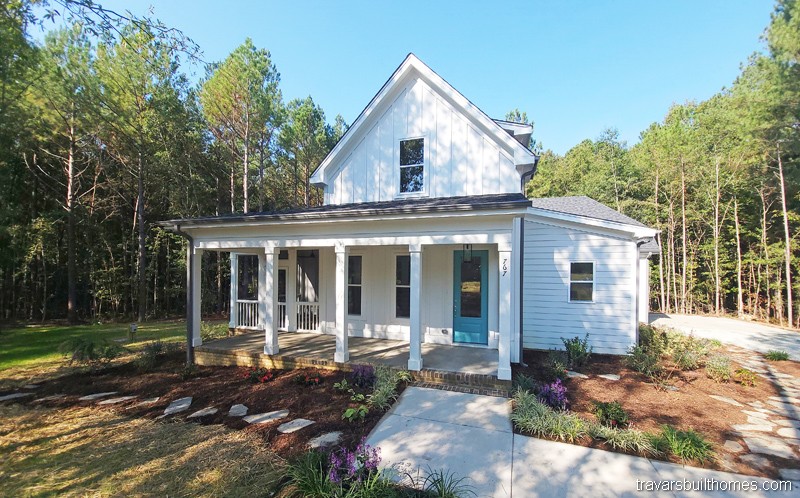
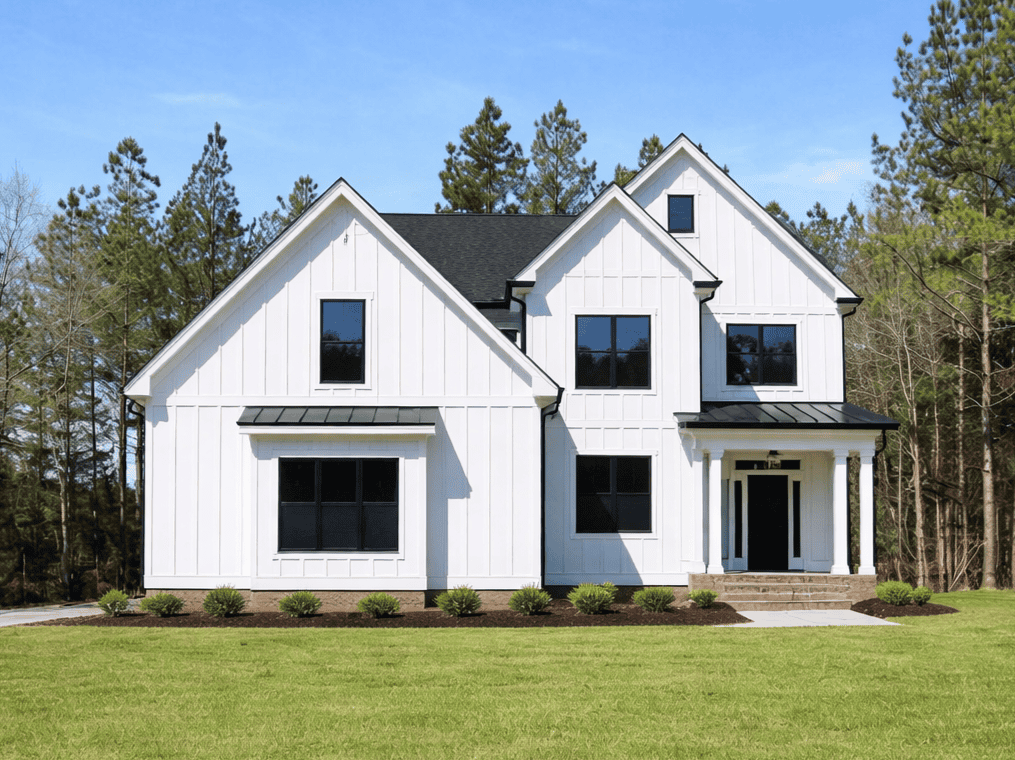
- Applewood — Offers a main floor primary suite and open interior flow, great for grandkid visits or hobby space.
Customizable Options for Future Flexibility
Even within larger plans, we can tailor layouts so the primary bedroom, laundry, and living spaces feel intuitive and accessible — something empty nesters frequently ask for during design consultations. Explore our house plan search to filter for main floor master, one-story homes, or special features that matter most to you.
Whether you like something cozier or a home with guest rooms and flex spaces, every plan we build for empty nesters starts with your lifestyle in mind.
FAQs
> Q: Why are so many empty nesters choosing to build homes in Pittsboro, NC?
A: Pittsboro offers a quieter pace with easy access to Chapel Hill, Durham, and Raleigh, making it ideal for empty nesters who want balance without isolation. Chatham County’s growth in dining, arts, and outdoor amenities adds lifestyle appeal, and we regularly help homeowners design homes that fit this next chapter comfortably.
> Q: How important is low maintenance and energy efficiency for empty nester homes?
A: Very important—empty nesters often want durable materials, energy-efficient systems, and landscaping that reduces ongoing work. We guide homeowners through these decisions early so the home supports an easier lifestyle over time.
> Q: Can empty nesters customize floor plans for future needs?
A: Absolutely—many Pittsboro homeowners customize layouts to allow for aging in place or changing mobility needs. We regularly adjust room locations, door widths, and storage layouts to support long-term livability.
See Also:
- “Studio Spaces and Family Suites: Versatile Living On Your Lot” — a look at flexible living spaces that adapt to changing needs, whether it’s multi-gen living, hobbies, or work-from-home use.
- “Front Porch Ideas That Make a Lasting First Impression” — creative porch designs that enhance curb appeal and outdoor living — perfect for relaxed, purposeful living after raising children.
- “One-Story Modern Farmhouse Floor Plans” — an overview of thoughtful, accessible floor plans that blend style and function for homeowners who prefer single-level living.


