Aerial drone view of a scenic open land plot and rolling wooded acreage, illustrating premium build-on-your-lot custom home site selections and rural building lots available in Central North Carolina.

Understanding Septic and Well Requirements When Building on Your Own Land in Orange County, NC

If you’re planning to build a home on your own land in Orange County, North Carolina—whether it’s in Efland, Cedar Grove, Hillsborough, or one of the other rural areas—you’ll want to be familiar with the county’s septic and well requirements before breaking ground.

The process for getting septic and well approvals can be different from county to county, so it’s important to know what to expect where your land is located. At Travars Built Homes, we work across Chatham, Alamance, Durham, Orange, Wake, and other surrounding counties, so we understand how to help you navigate the requirements specific to your property.
Aerial drone view of a scenic open land plot and rolling wooded acreage, illustrating premium build-on-your-lot custom home site selections and rural building lots available in Central North Carolina.

Septic System Requirements in Orange County

If your property is not served by public sewer, you will need a septic system to handle wastewater from your home.

In Orange County, the Environmental Health Division manages septic system approvals. The process typically includes:

  1. Application – Submit an application for a new septic system or improvement permit.
  2. Site Evaluation – A soil scientist or county environmental health specialist will evaluate your land for factors like soil type, slope, drainage, and space for a repair area.
  3. System Design – The type and size of the septic system will be determined based on the soil conditions, number of bedrooms, and household water use.
  4. Permit Issuance – Once the site plan is approved, you’ll receive a permit that allows installation.
  5. Final Inspection – After installation, the county will inspect the system before it can be put into use.

Tip: Soil conditions can vary greatly across Orange County—especially in rural areas like Cedar Grove and Efland. Testing early in the planning process can save you time and help with house placement on the lot.
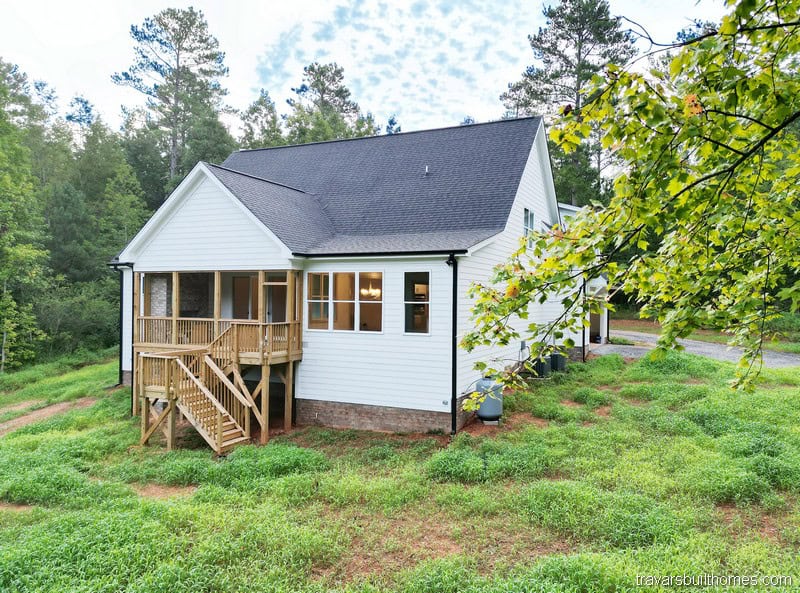
Rear exterior view of a custom home, detailing crisp white lap siding, a dark roof, black gutters, and a raised screened porch with wooden stairs leading down to a sloping yard, by Travars Built Homes.

Well Installation Requirements in Orange County

If your land does not have access to public water, you will need a private well for your home’s water supply.

In Orange County, well construction is also managed by the Environmental Health Division, and typically includes:

  1. Well Permit Application – Apply for a permit before any drilling begins.
  2. Setback Requirements – Wells must be located a minimum distance from septic systems, property lines, and potential sources of contamination.
  3. Water Testing – Once drilled, the water must be tested to ensure it meets safety standards for drinking water.
  4. Final Approval – The county must approve the well before it can be used.

Note: Setback and depth requirements can vary depending on your property’s location and soil type. Properties in rural Orange County often have plenty of space for both a well and septic, but site-specific conditions still determine placement.

Custom home building lot site sign placed on an available parcel by a Central NC custom home builder, showcasing build-on-your-lot opportunities along a paved residential street.

Building Across Multiple Counties

Travars Built Homes is based in central North Carolina and builds in Orange County as well as Chatham, Alamance, Durham, Wake, and other surrounding areas. Each county has its own permitting process, so working with a builder who is familiar with multiple jurisdictions can streamline your experience and help avoid delays.

Rear exterior view of a custom dark-sided home, showing a screened porch and an open outdoor entertainment deck built with natural pressure-treated wood, by Travars Built Homes.

How Travars Built Homes Can Help

When you work with us to build on your land:

  • We stay involved at every step—from permitting to inspections—to make sure your project stays on track.
  • We coordinate with county officials, soil scientists, and well drillers.
  • We help arrange site evaluations early, so there are no surprises later in the build.
  • We factor septic and well locations into your home design and placement.

⚠️ Important Disclaimer

Regulations can change over time. Always confirm current septic and well requirements with Orange County Environmental Health before making land purchases or finalizing your home plans.
Have any questions about building your custom home on your own lot? Feel free to contact us!

Custom home building lot site sign placed on an available parcel by a Central NC custom home builder, showcasing build-on-your-lot opportunities along a paved residential street.

What Homebuyers Really Want: Trends in Home Size

As custom home builders serving Pittsboro and the surrounding areas of Chatham County, Travars Built Homes pays close attention to what today’s homebuyers value most. One of the key questions we help our clients answer is: How much space do you really want in your new home?

The “What Home Buyers Really Want 2024 Edition” study from the National Association of Home Builders (NAHB) reveals some insightful shifts in buyer preferences when it comes to home size.

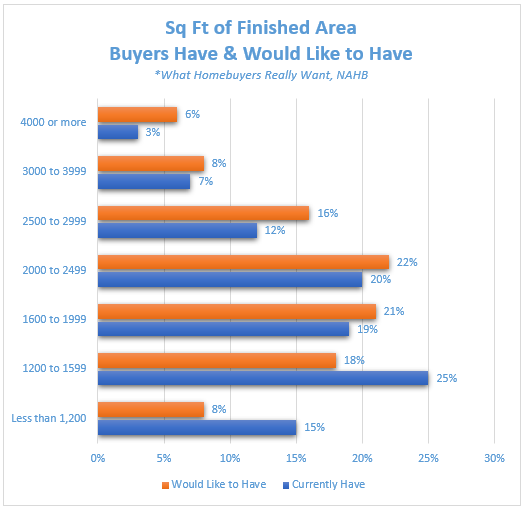
Here’s a closer look at what homebuyers say they currently have—and what they actually want:

Bar chart displaying National Association of Home Builders data on the square footage of finished area homebuyers currently have versus what they would like to have in a new custom home.

What These Trends Tell Us

The data reflects a variety of buyer preferences—while many homeowners do want more space than they currently have, larger homes are not the goal for everyone.

Larger homes (3,000+ sq ft) still appeal to some, especially those looking for multigenerational layouts or high-end features. However, just 14% of buyers said they want a home over 3,000 sq ft—and only 6% want more than 4,000 sq ft—even in the context of “would like to have.”

Smaller homes (<1,600 sq ft) are desirable for 26% of buyers, potentially for its affordability and simplicity.

Mid-size homes (1,600 – 2,499 sq ft) represent the sweet spot for the majority of buyers. Nearly 70% of homebuyers want homes under 2,500 sq ft, indicating that spaciousness doesn’t have to mean oversized.

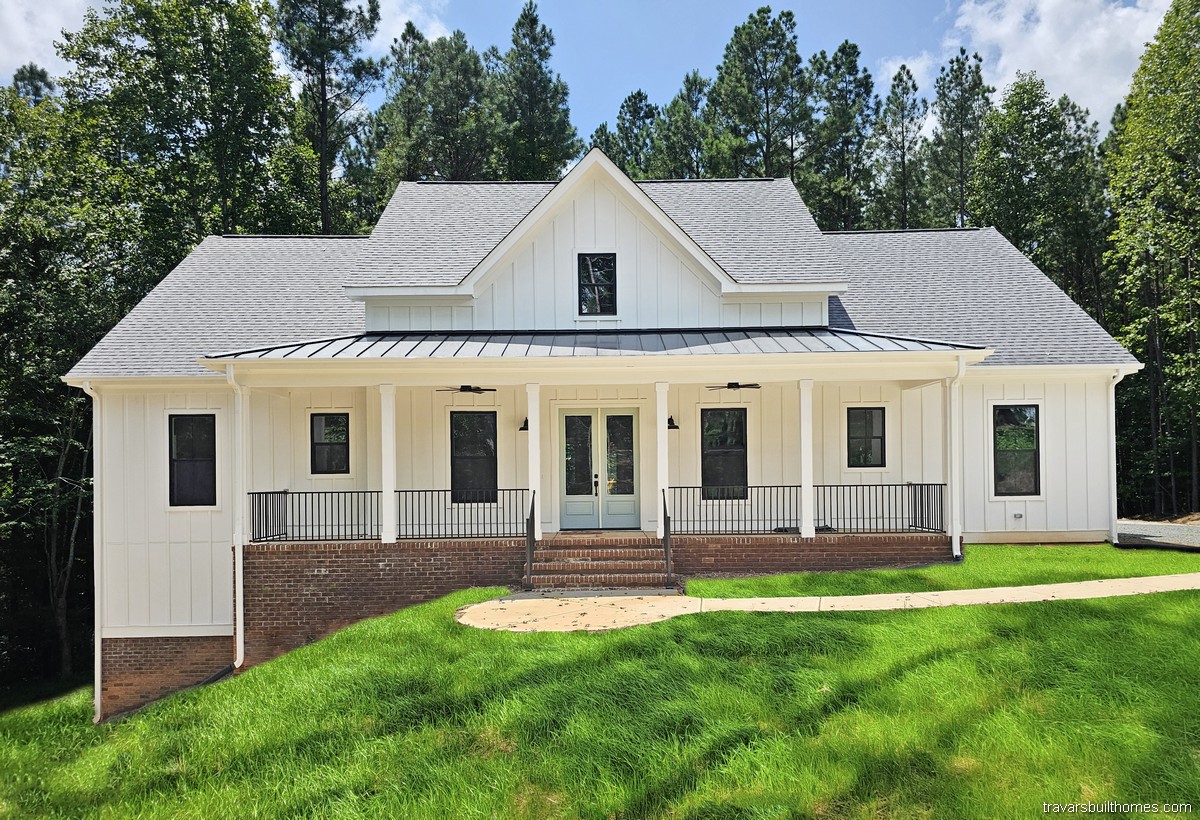
White board and batten farmhouse exterior with a covered front porch, brick foundation, black metal porch railings, double front doors, wide front steps, green lawn, and tall trees behind the home.

Understanding the Shift in Preferences

According to the NAHB:

“In the last 20 years, there has been a clear shift downward in the amount of space buyers want. NAHB studies from 2003 to 2012 reveal that the typical buyer during this period wanted a home with at least 2,200 sq ft of finished area. Starting in 2015, however, buyers’ preferences shifted toward smaller homes. That year, and then again in 2018, 2020, and 2023, the typical buyer decided a home with around 2,000 to 2,075 sq ft was enough.”

This downward trend may reflect the rising cost of construction, a desire to save on heating and cooling costs, and changing lifestyle priorities such as simplified living or lower maintenance and upkeep responsibilities.

Travars Built offers homes in each of these size ranges. Explore the full range of plans here.

What This Means for Homebuilding in Pittsboro and Chatham County

At Travars Built Homes, our portfolio includes a wide range of home sizes, with a strong emphasis on flexible layouts, custom options, and efficient design strategies. This attention to layout becomes especially meaningful because buyers can customize floorplans to meet their specific needs, rather than being reliant on a small set of predesigned plans.

We also see rising interest in:

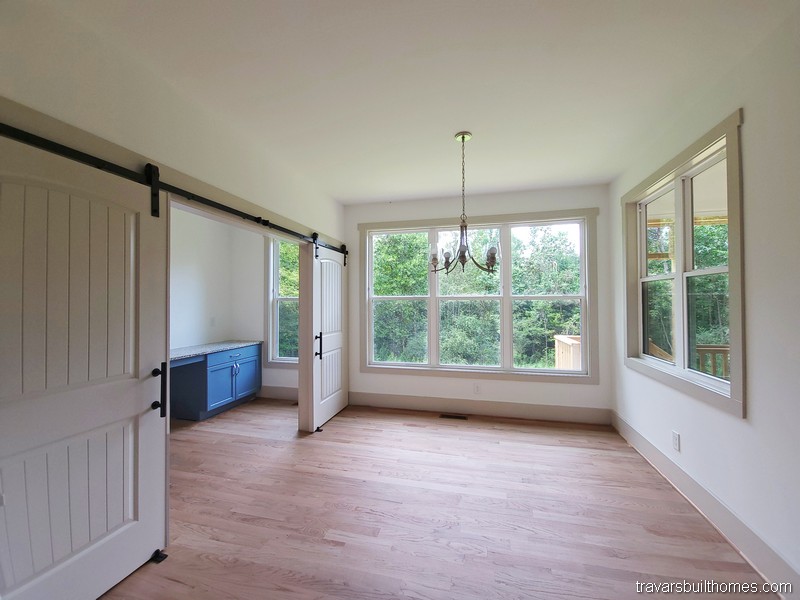
Bright custom flex space or breakfast room showcasing a sliding white barn door, hardwood floors, a built-in desk with blue cabinets, and a classic chandelier, designed by Travars Built Homes.

Explore Your Options

Whether you’re looking to right-size your home or build with room to grow, Travars Built Homes can help you create a space that fits your lifestyle, needs, and budget.

Take a look at our available floor plans and let us know how we can bring your vision to life.


Have any Questions? Get in Touch Today!

Custom home building lot site sign placed on an available parcel by a Central NC custom home builder, showcasing build-on-your-lot opportunities along a paved residential street.

Understanding Septic and Well Requirements When Building on Your Own Land in Chatham County, NC

Building a custom home on your own land in Chatham County, North Carolina offers incredible freedom and flexibility—but it also comes with important site development steps, especially if your land does not have access to public water or sewer. This means you’ll need to plan for a private septic system and well, which require proper permitting through the county.

At Travars Built Homes, we help guide you through this process—unlike some home builders who leave it up to the homeowner to figure it out alone.

Custom home building lot site sign placed on an available parcel by a Central NC custom home builder, showcasing build-on-your-lot opportunities along a paved residential street.

Septic System Requirements in Chatham County

When public sewer isn’t available, an on-site septic system must be permitted and approved. In Chatham County, there are three primary permitting options:

1. Public Permitting Option

Through the Chatham County Environmental Health Division, this process involves submitting an application, fee, and site plan. A county inspector visits the site to determine soil and layout suitability. If the application is approved, an Improvement Permit (valid for five years) is issued. The applicant must obtain a Construction Authorization before beginning installation.

2. Private Permitting Option

You can also work with a licensed engineer or Authorized On-Site Wastewater Evaluator (AOWE) to design your system. This option can streamline timelines and provide design flexibility, while still meeting state regulations.

3. Hybrid Permitting Option

This approach combines public oversight with a private soil consultant and can offer a great fit for certain site conditions.

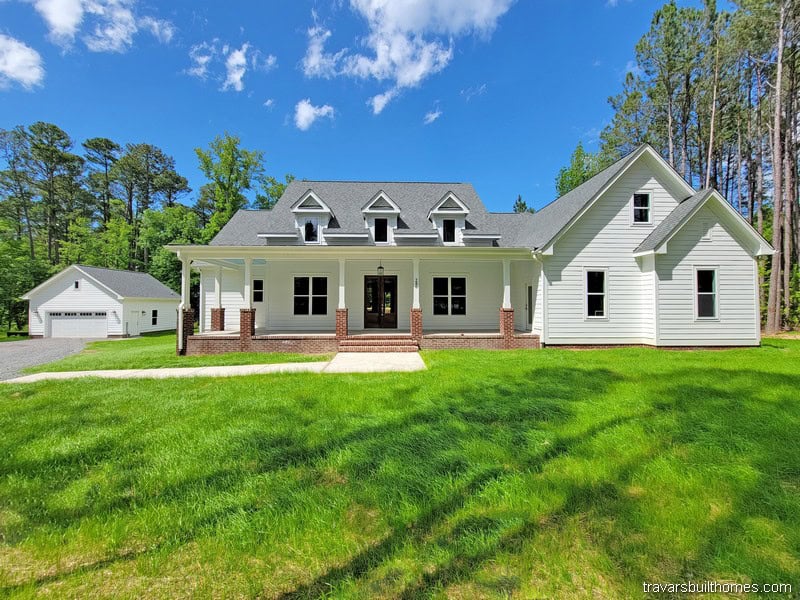
Beautiful custom modern southern farmhouse exterior displaying crisp white siding, prominent multi-pane windows, brick columns, a green lawn, and a matching detached garage, designed by Travars Built Homes.

Well Installation Requirements in Chatham County

If there’s no public water access, a private well must be drilled and permitted. Chatham County requires:

  • A completed application and fee submitted to Environmental Health
  • Site evaluation to ensure setbacks from buildings, septic systems, and potential contaminants
  • Post-installation testing to ensure safe, potable water

Typical setback requirements include:

  • 100 feet from potential contamination sources
  • 50 feet from ponds, lakes, and surface water
  • 100 feet from potential contamination sources
  • 50 feet from septic systems
  • 25 feet from structures with termite treatment
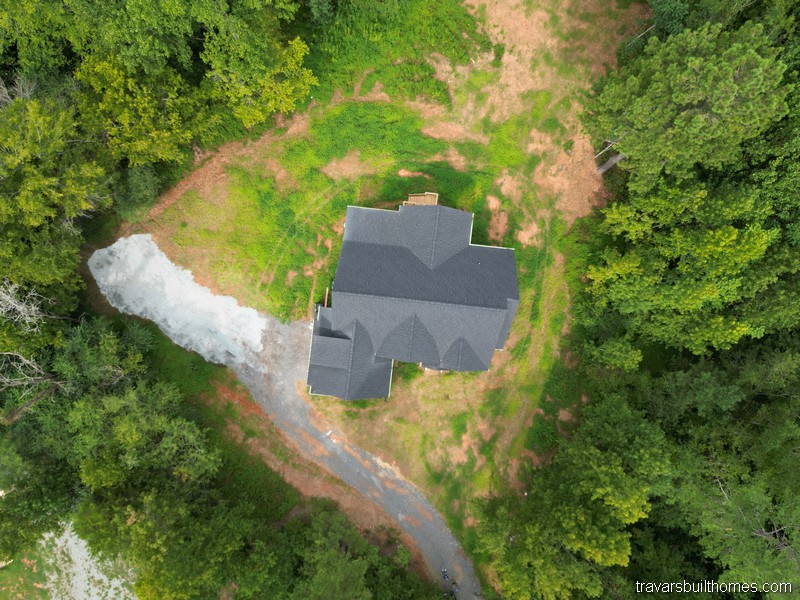
Aerial drone perspective of a custom home build detailing the complex dark roofline, a winding gravel driveway, and the expansive surrounding forest, by Travars Built Homes.

We Work Across 12 Central North Carolina Counties

While these requirements apply to Chatham County, Travars Built Homes builds on your lot across a 12-county area in central North Carolina. From Orange to Johnston, Alamance to Lee—and everywhere in between—we’re familiar with the permitting processes, health department regulations, and land development practices across the region.

Whether your property is in Chatham or beyond, we bring deep experience and local insight to ensure your custom home journey is smooth and informed.

Rear exterior view of a custom dark-sided home, showing a screened porch and an open outdoor entertainment deck built with natural pressure-treated wood, by Travars Built Homes.

Travars Built Homes Supports You Through the Entire Process

From day one, we work alongside you to coordinate permitting, schedule evaluations, and consult with licensed soil scientists and engineers. Our goal is to remove guesswork and make sure your land is fully prepped and permitted for construction—so your home can move forward with confidence.

We don’t leave you on your own. We help with it all.

⚠️ Important Disclaimer

Local health department requirements for septic and well systems can change based on county and state updates. This article is for informational purposes only. Always consult with your builder and local authorities for the most current information for your specific property and location.


Have any questions about building your custom home on your own lot? Feel free to contact us!