Get answers to questions about how to build a new custom home in North Carolina – with information for first time home buyers as well as experienced buyers.

Wendell North Carolina New Homes

How long does it take to build a custom home?

North Carolina new home building timeline

A typical timeline to build a custom home is about 10 months from foundation. We’ll give you more information based on your plan and location.

Available Homes | Chatham County New Home Builder

What are the key phases of a pre-construction timeline? 

Before we break ground on your new home, we’ll work with you through:  

  • Floor Plan Selection
  • Floor Plan Customization and Design
  • Build Permitting
  • Pre-Construction Prep

Here’s how the overall timeline for your new home build project works:

During the Plan Selection Phase, we help you find a new home floor plan that suits your lifestyle, budget, and home site. Start with some popular floor plans from a variety of architects on our site. Tell us what you’re looking for, if you want something different! The floor plan selection phase usually takes 2-4 weeks.

During Floor Plan Customization and Design, we help modify your floor plan. What are some common changes we make? Here are the kinds of changes we can make to your plan as part of our design phase – at no extra cost to you:

  • Making a master shower larger
  • Separating sinks and vanities
  • Opening up the kitchen or adding an island
  • Adding a mother in law suite or small apartment in the home
  • Turning a front facing garage to a side load
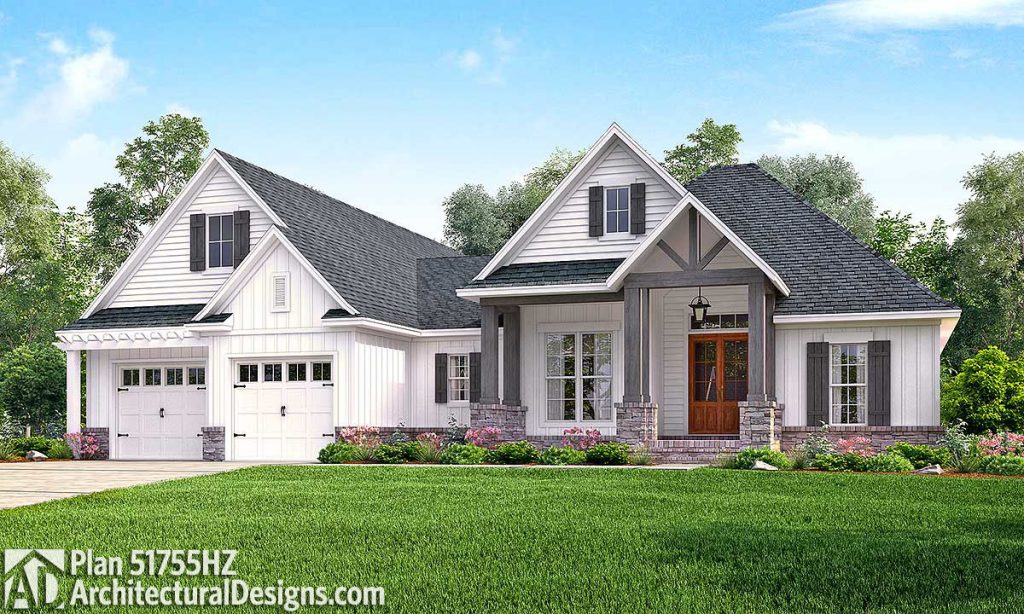
Modern Farmhouse | Chatham County New Homes

Our in house design team works closely with you and your budget. This phase usually takes 2-6 weeks.

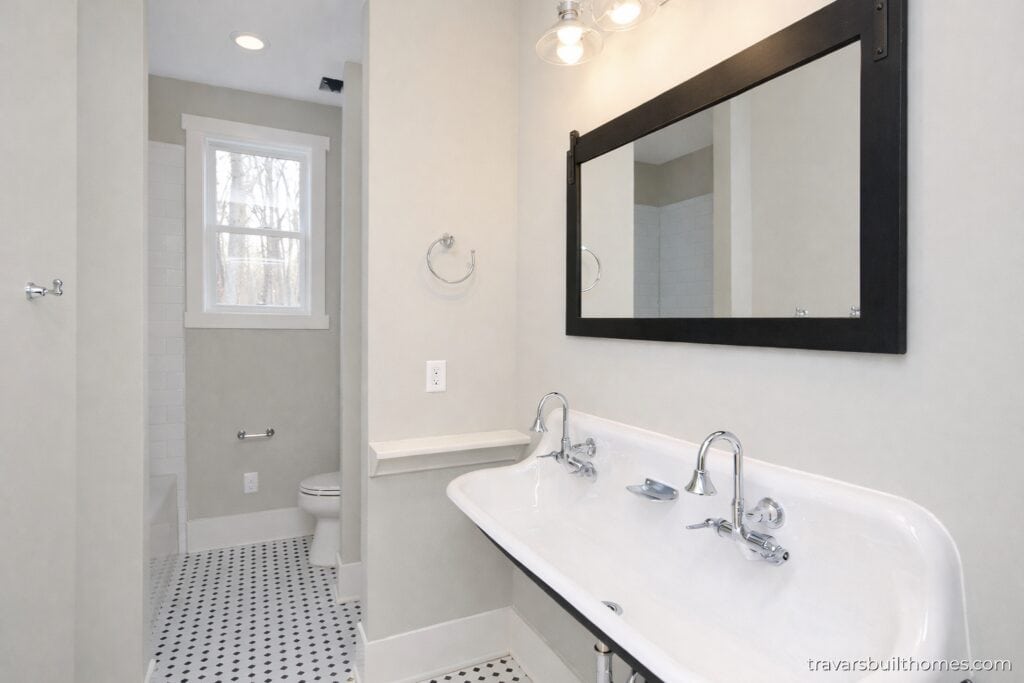
Wendell North Carolina New Homes | Dark Cabinetry Master Bath

Next, we submit for Build Permits. We’ll do your site assessment in conjunction with your floor
plan footprint, water hookup, and setback requirements for your lot – taking
things like the slope of your lot and the length of your driveway into
consideration. The permit phase usually takes 5-7 weeks.

You will meet with the builder on site to take a look at the survey placement for your new home before we get started on clearing and prepping.  

How long does it take to build a custom home?

What are the key phases of the home build?

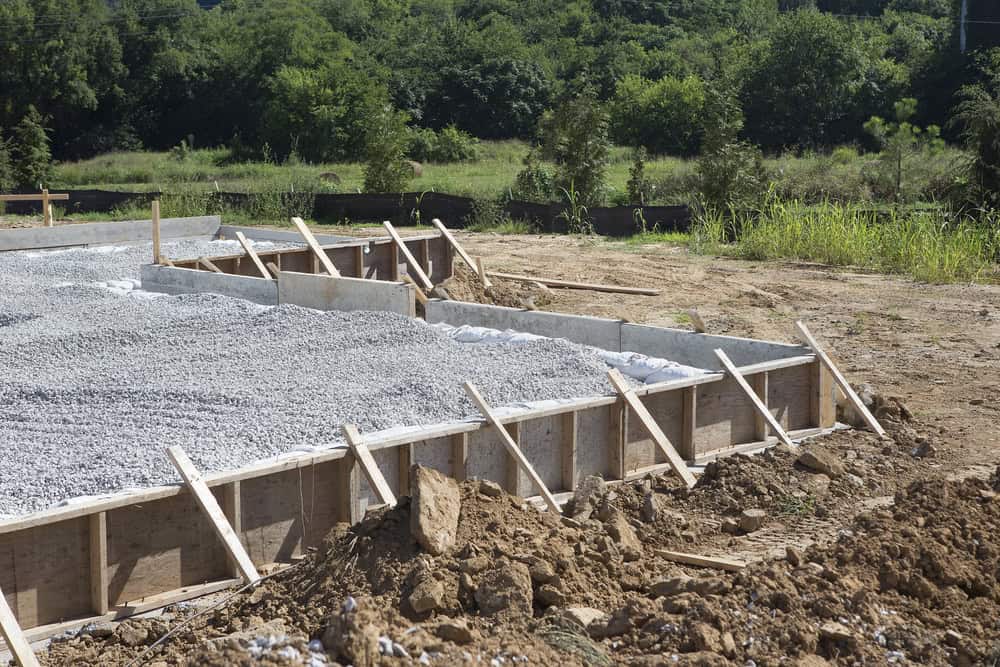
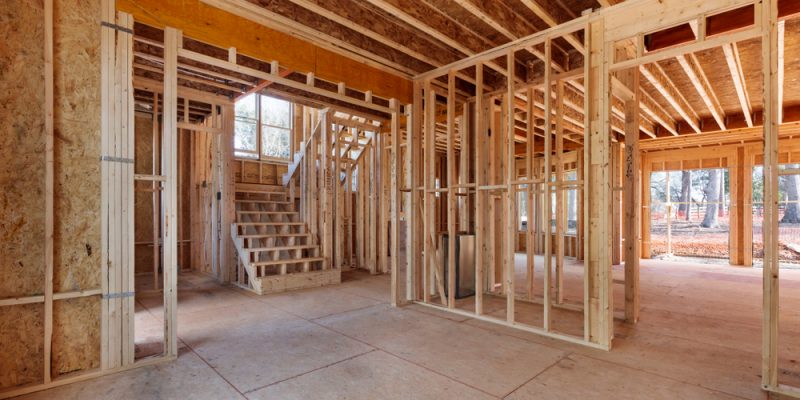
  • Excavation: Grading, clearing and site preparation
  • Foundation, damp proofing
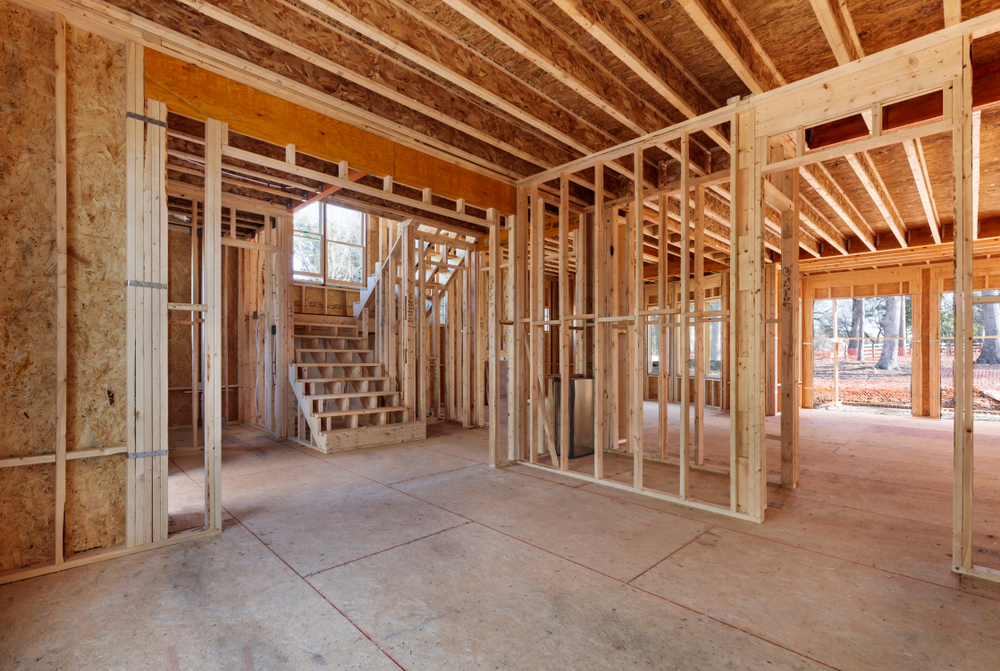
  • Framing
  • Windows and doors
  • Roofing
  • Rough mechanics, electrical and plumbing
  • Siding, exterior paint
  • Insulation
  • Drywall, paint primer
  • Interior trim, flooring
  • Cabinets, counter tops
  • Trim outs/ fixture installs
  • Final paint
  • Final punch work and clean up
  • Move in day!

You’ll be involved and informed throughout the build with onsite and design selection meetings and your interactive online portal. 

Have any Questions? Get in Touch Today!

Build On Your Lot NC | How to Build a New Home

How Your Homesite Can Affect The Bottom Line

Topography, soil, regulations – here’s how your lot requirements and footprint can impact your new home build cost

The spot where your home can be built on your lot is dependent on a variety of factors in North Carolina. Here are terms and factors you need to know about aspects that can impact your homesite – and build cost.

Homesite: The spot on your lot where your home will be built

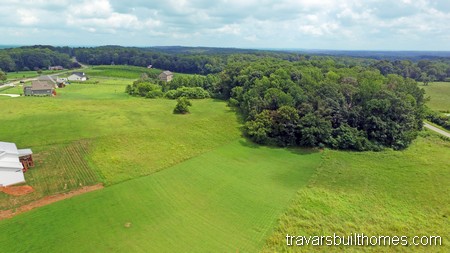
The final decision about the location for your homesite is determined by more than what you can see at first glance, such as the direction it will face or what’s outside the windows. As a turnkey builder in NC, some of the most common factors we will discuss with you regarding your footprint are topography, soil and regulations. Here’s why that’s so important:
Build On Your Lot NC | How to Build a New Home

Footprint: The shape and size of amount of space your home takes up on the ground

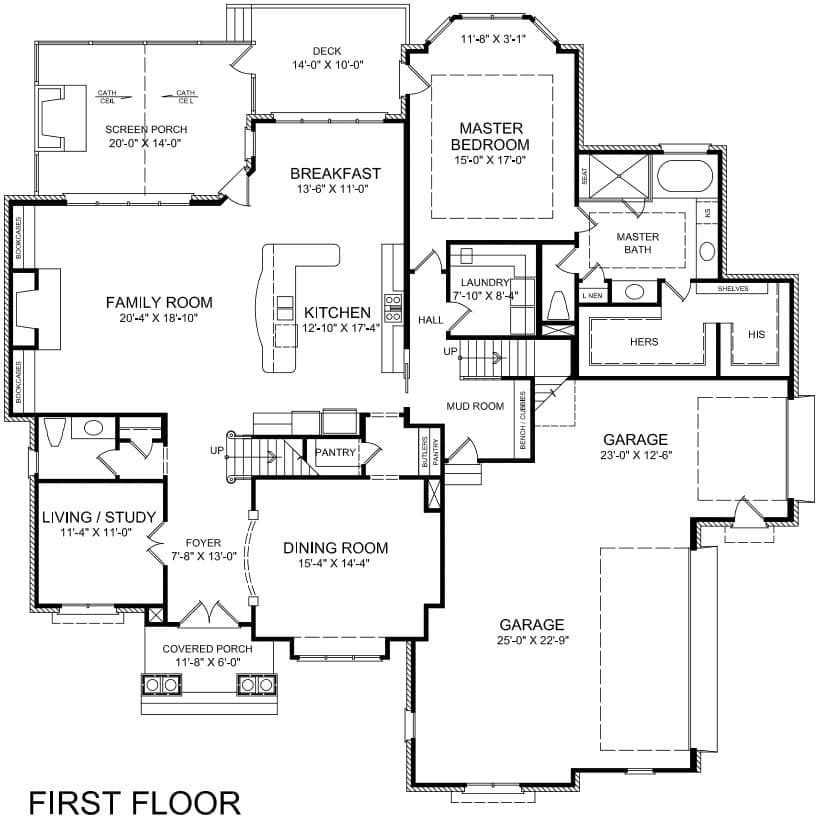
If you look at what the imprint of your home will be on the dirt where it is built, what does that shape look like? That’s your “footprint”. Whether your home is a square box, stretches out horizontally or vertically, has a courtyard, or has lots of “cutouts” that turn and curve in a variety of directions, everywhere it touches affects your build costs. The more simplistic, the less it usually costs to build a home with that footprint. The more complex, the more it can take to get everything done, starting with the topography and soil.
Orange County New Homes

Topography: The amount of slope in your lot

Take a look at the Topo Map (short for topographical map) below. This is an example of what topography looks like, on a Geographic Information System (GIS). Although each county in NC has its own GIS system and representation, the lines you see here are indicative of how much slope this area has. The closer the lines are together, the more slope there is. The slope of your lot can help determine if your home will require a basement, crawl space, tall crawl, or slab on grade. In North Carolina, a crawl space foundation is the most common, unless the home is accessible in which case a slab on grade is used most often built. We will talk with you about how the topography affects your lot and homesite, specifically, at your lot assessment.

Chapel Hill Modern Farmhouse

Soil: Support for your septic system as well as your home

Soil quality and consistency vary across North Carolina. Here are two of the most important reasons why soil plays a major factor in the build of your new home:

The homesite where your home will be placed needs to have appropriate compaction and bearing capacity. Probe Tests as well as taking into consideration aspects such as slope, exposed rock, size of trees, potential wet lands, and other factors in which soil plays a part.
Raleigh Custom Homes | Screen Porch

A Percolation Test (abbreviated as a “Perc Test”) is required on most lots of over 1/2 acre to determine the water absorption rate of soil, which will indicate the type of septic system that is required. Your builder will interpret the results that a soil scientist or the county provide, and tell you next steps and build costs. A conventional system will usually have the least cost. A pump may be required, which would add to costs. An engineered system for a drip system or pre-treat drip system are the most expensive and take the most time to get approved. We will walk you through how this works as part of our initial overview of your build processes and steps.

NC Custom Home Photo Tours

Regulations: Local requirements and community covenants

Every new home must have build permits before it can be built. TBH will handle those for you, along with everything else necessary for the build of your home on your lot. Here’s how local requirements and covenants come into play as you choose where you want to build your new home:

Most new homes are built in communities, regulated by a Home Owners Association (HOA): Each neighborhood has its own set of rules and restrictions, detailed in Community Covenants. You will want to read Covenants thoroughly before purchasing a lot. Experts can also help you understand potential building restrictions within a neighborhood. Architectural Review Boards (ARBs) review details about a new home, such as exterior paint colors and materials such as brick or stone. Your new home will need to be approved by these committees if you want to build in their neighborhood.

NC Custom Home Photo Tours

Even new homes that are built in the countryside are subject to local requirements, typically set down by the county. This can include things like how much clearing you can do, what the setback requirements are from the street, and other mandates specific to that location.

Have any Questions? Get in Touch Today!

How Soon After I Sign a Purchase Agreement Will Construction Begin on my Custom Home, and How Long Will it Take?

We can start your custom home build process directly after your purchase agreement is signed, with site work scheduled as soon as building permits are in hand.

Here are the first steps we take together before the shovel hits the ground:

  • Modifications you want to make to your floor plan
  • Documented details about features, finishes, materials and pricing
  • Lot walk for site assessment with home’s footprint
  • Loan closed for home construction (and lot, if not already owned)
  • Review of architectural and engineered blueprints
  • HOA architectural review, if applicable
  • Improvement Permits, if applicable
  • Build Permits
  • Preliminary survey and home location plat map
How to build a custom home in North Carolina.

The typical time frame for a Travars Built Home is 6 to 9 months from when we begin the actual construction, depending on the size and type of home and the location of the build.

Have any Questions? Get in Touch Today!

Wendell North Carolina New Homes | All Brick Homes

How can a lot walk save trees – and some green?

What’s the best way to save trees when you build your new house? What roles do planning and surveying play in tree preservation? Here’s what you need to know before you clear your lot.

Never clear your lot before you talk with the county building department and your builder – especially if you will need a septic system.

Travars Built Homes provide a lot walk and assessment that includes a discussion of tree retention, before any clearing occurs. Your builder will also discuss things like the slope of the lot, possible water routes, the footprint of your home and its build site. You’ll learn a lot about the first stages of the build – as well as ways to save tree trunks and greenbacks.

Wendell North Carolina New Homes | All Brick Homes

There are also rules about how much can be cleared due to impervious limits, environmental regulations, government mandated erosion requirements, easements and other imperatives.

The amount of clearing required is based on your house footprint, based on the perimeter of your home with about 15-20′ of clearing on each side of your home, when the lot and setbacks allow for it. That amount of space provides room for sidewalks, parking pads, fences and foot traffic to get around the house.

Chapel Hill Modern Farmhouse

Unless you request more tree removal – within the parameters of what is allowed for your location – it is our goal to retain every tree possible within the area that we need to safely get your home built. When your desire is to have a wooded lot, we want to preserve that natural beauty for you as much as possible.

If your home needs a septic system, the amount of trees removed in your septic field depend on specific requirements and there are areas that cannot be disturbed, to allow for that critical system to be installed and function properly.

New Home Construction Chapel Hill NC

It is not always possible to save every tree that you would like to retain. Trees have varying root systems, some of which are more extensive than others. White oak, Hickory and Walnut trees have some of the deeper root systems. Pine trees (which there are many of in North Carolina) have shallow root systems that can be less stable. For the most part roots are 12-24″ deep and extend out from the tree in a radius. You can measure tree diameter at chest height and multiple that by 12 to get a good idea of where roots end. The drip line or canopy can also be used as a rough guide, with the furthest branch as your measurement.

Have any Questions? Get in Touch Today!

Top 4 Ways to Boost Curb Appeal of Your New Home

Love the layout, hate the exterior of the custom floor plan you want to build? Change it! Here are 4 ways to increase curb appeal in the Chapel Hill area by considering different exterior materials for the build of your new home, with pros and cons.

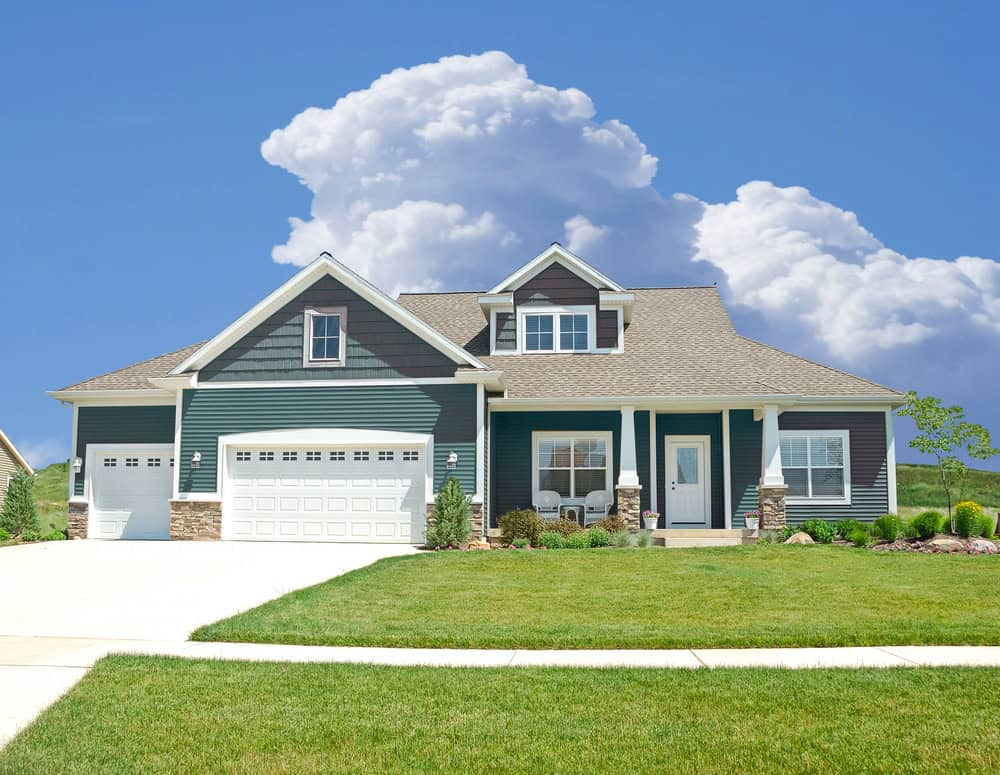
Custom Home Exterior Material Example #1: Vinyl Siding

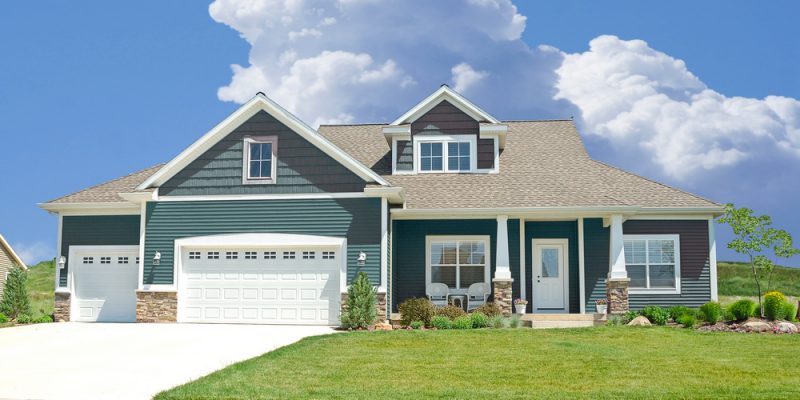
If you want to save money, vinyl is an exterior material worth considering. Be sure to take your time with your color selection, and take a look at all the options.

Pros: Want a more custom look? You can dress things up with shutters, gable vents, corbels or column wraps. Vinyl can be cleaned with power washing and typically would not be repainted at a later date.

Cons: Some communities do not allow vinyl exteriors. Vinyl siding may fade – with darker colors absorbing more sunlight than lighter colors. It can also expand and shrink with temperatures.

Custom Home Exterior Material Example #2: Vinyl Siding and Veneer

A small amount of stone veneer and picture frame details around the windows can make a big difference. The stone water table provides another texture for this home, and won’t break the bank if the amount of stone is kept to just enough for a water table and column base. If you are doing exterior selections, consider picking the stone first. Then choose roofing with a similar color scheme, such as Drift Wood or Weathered Wood shingles.

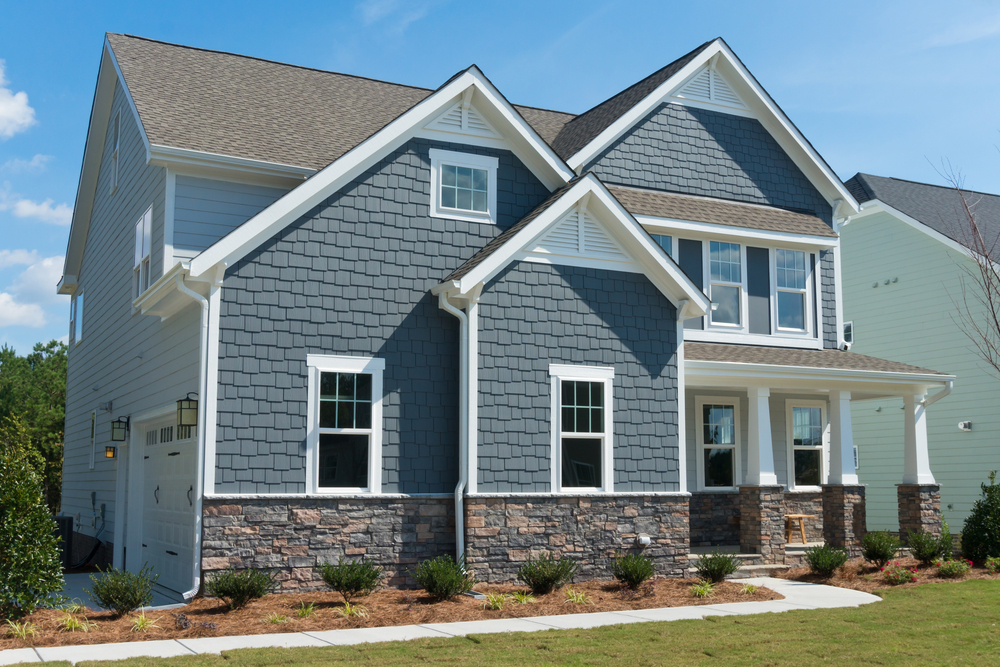
Custom Home Exterior Material Example #3: Fiber Cement Siding With Stone Accents

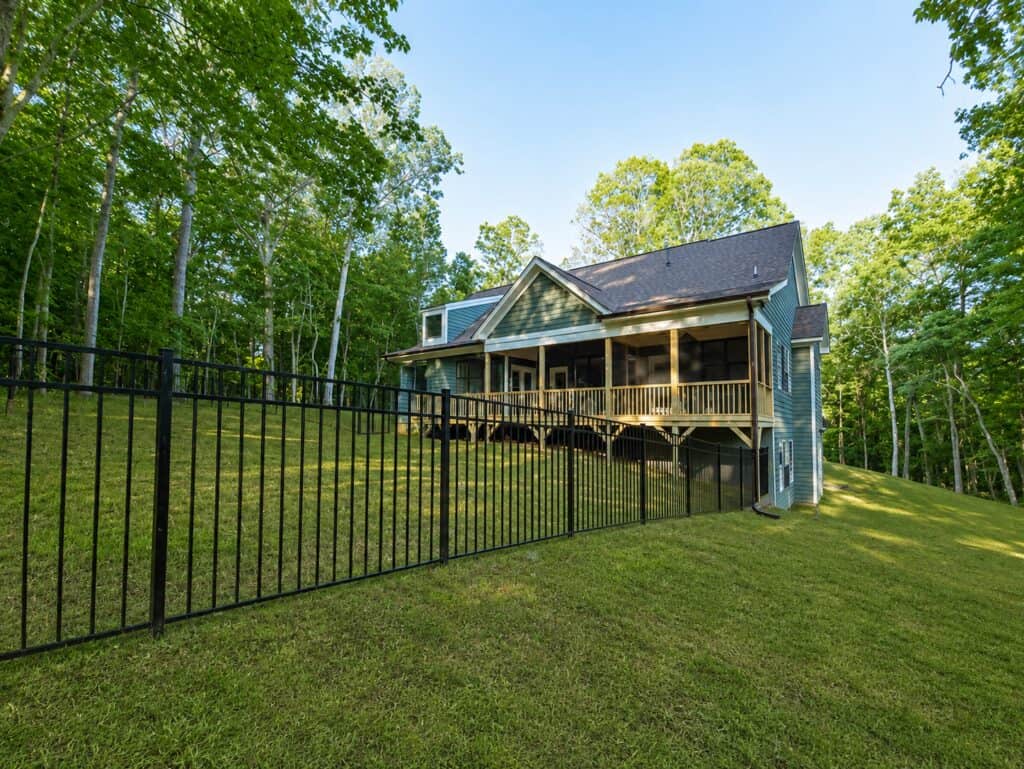
The curb appeal of this fiber cement and stone home does a very nice job of blending multiple texture types and materials. The medium blue shakes seen on the face of the garage wall break the patterned straight lines. They also pull the color right out of the stone veneer below. The light blue lap siding on the sides and rear of home and complementing white picture frames around the windows, gable vents and gutters combine to make a well balanced exterior. The Mackenzie seen just below follows this formula and also looks great!

Pros: The mix of materials and colors make this home feel custom and comfortable. Adding stone to the front but keeping the other 3 sides of the home in fiber cement saves on cost.

Cons: Fiber cement costs more than vinyl. Stone veneer costs more than fiber cement.

Custom Home Exterior Material Example #4: All Brick and Stone

NC Custom Home Photo Tours

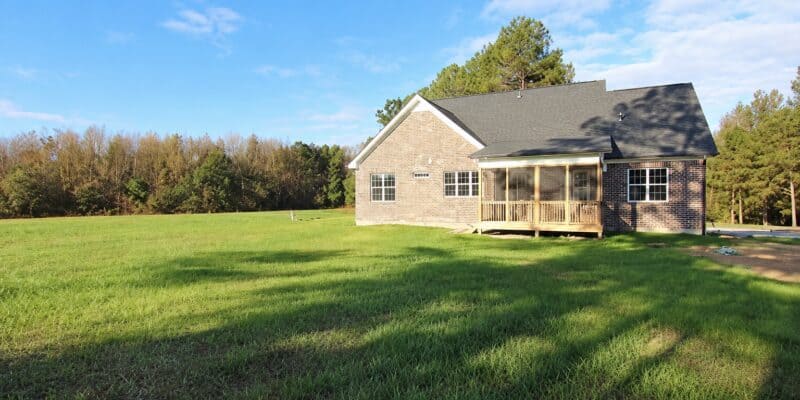
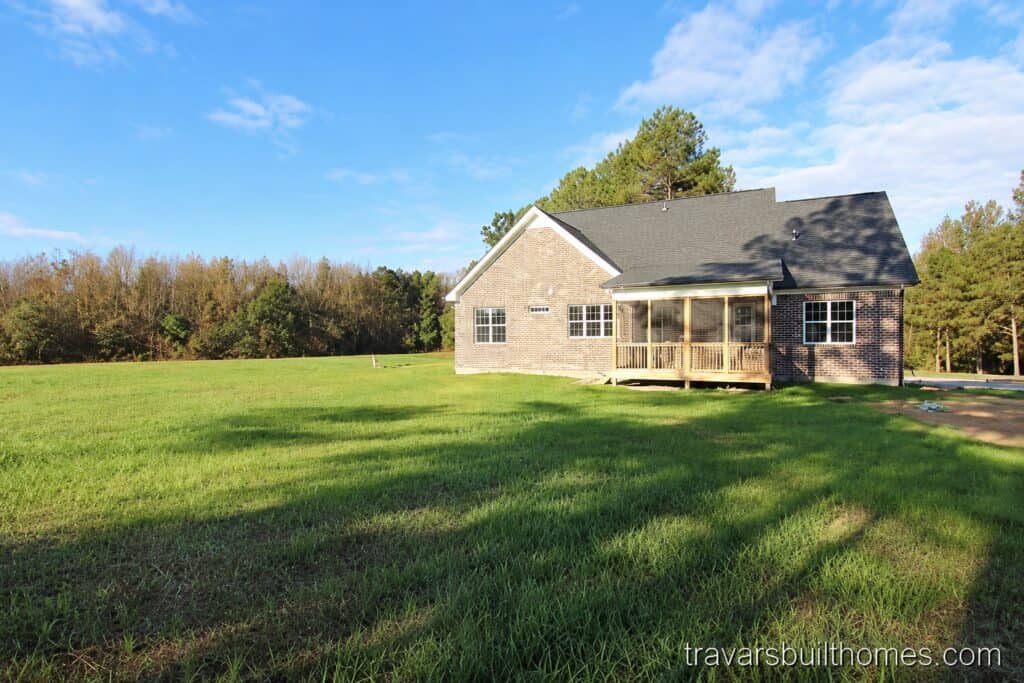
The classic look of full brick veneer creates curb appeal so compelling that some entire communities require it. This full brick home is even more interesting due to the brick color choice and the stone front accent on the garage face.

Pros: Bricks are sturdy and durable, typically requiring almost no maintenance other than occasional power washing.

Cons: That low maintenance and solid look comes with a higher price tag than most exterior materials.

Get information about building a custom home with Travars Built Homes – including more ways to create a cost effective new home in North Carolina.

Have any Questions? Get in Touch Today!

White and Black Bathrooms | Mebane NC New Homes

3 Ways to Get a Better Bathroom for Your Guests

Here are 3 different floor plan layout approaches for your guest suite bathroom from design build custom home builder Travars Built Homes:

White and Black Bathrooms | Mebane NC New Homes

Approach #1 The bathroom is attached to the guest bedroom and hallway.

Approach #2 The bathroom is between two bedrooms (also know as a “Jack and Jill” bath)

Approach #3 The bathroom is only accessible through the bedroom – this allows for complete privacy.


Guest Suite Bathroom Idea #1: Bath Shared with Common Areas

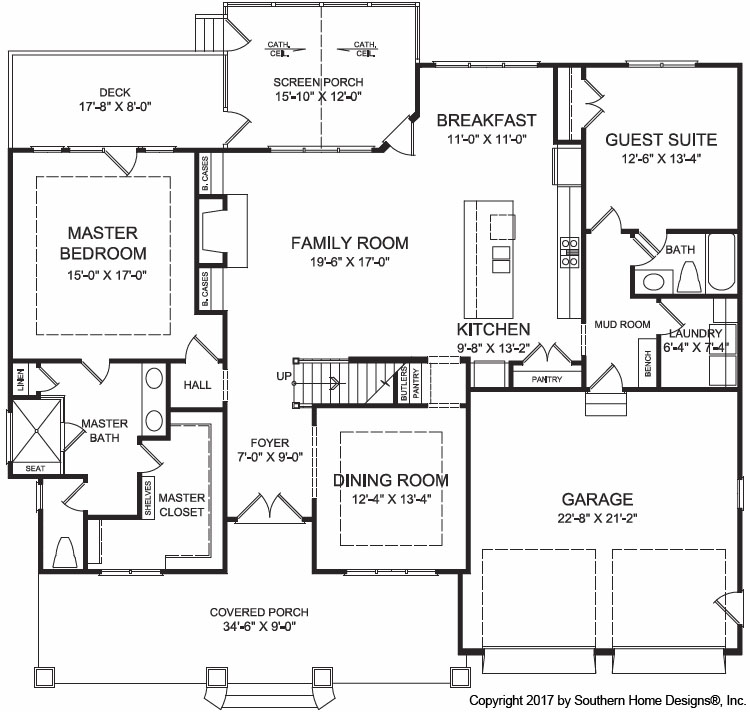
One of the most common layouts for a guest suite maximizes usability while minimizing cost by including a full bath with access from both the guest bedroom and main areas.

The layout has a second door from the guest bedroom directly into the bath so guests have full privacy but homeowners are spared the expense of an additional private bath.

See more of this modern farmhouse, the Norwich here:

Modern Farmhouse Floor Plan | Pittsboro New Home Builder

Guest Suite Bathroom Idea #2: Jack and Jill Bath

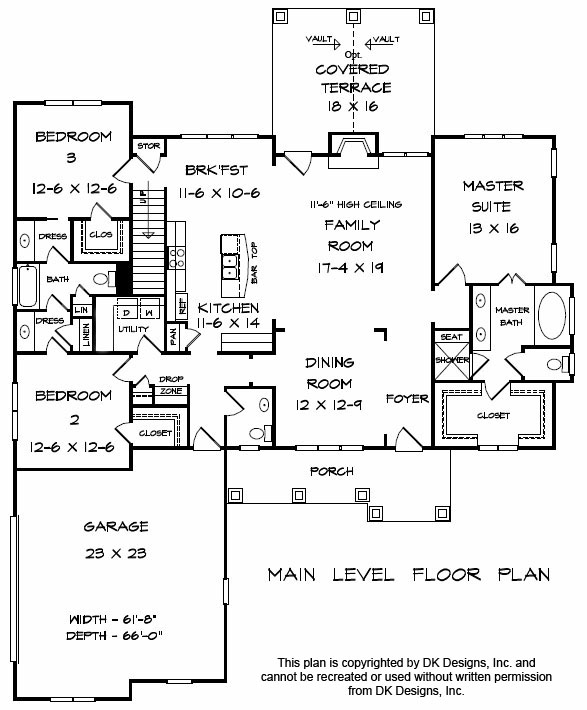
This floor plan illustrates a “Jack and Jill” bathroom, where two bedrooms share a bathroom. With this layout, a guest would share a bathroom with someone in another bedroom, but would have the ability to close off that bathroom.

Jack and Jill Floor Plan | Pittsboro New Home Builder

This floor plan, the Blackstone also has a powder room on the main floor, so the designation of this layout would be that the Jack and Jill bathroom would typically be limited to use by people in those two bedrooms, with semi-private usage.

Guest Suite Bathroom Idea #3: Full, Private Bath

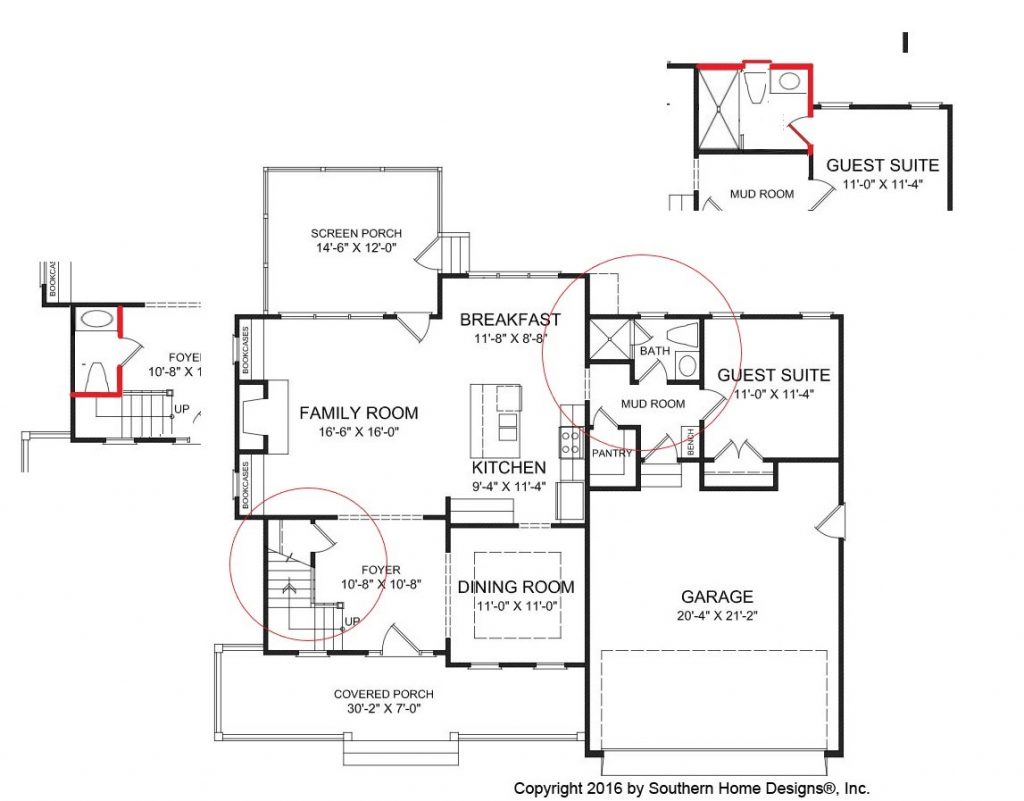
In this floor plan, there is already a full bath beside the mudroom and guest bedroom. With a small expansion to the exterior wall of the bathroom, we can change the functionality of the space.

Take a look at the redline modifications. By expanding the bathroom slightly, it can be accessed en-suite, providing total privacy for the guest suite:

Modern Farmhouse Floor Plan | Pittsboro New Home Builder

The redline modification at the foyer illustrates how to add a separate powder room on the main floor.

Have any Questions? Get in Touch Today!