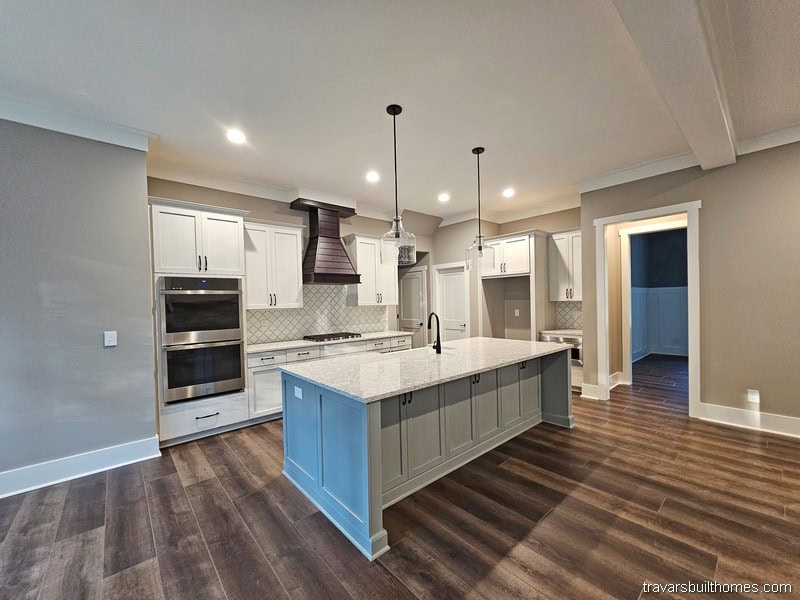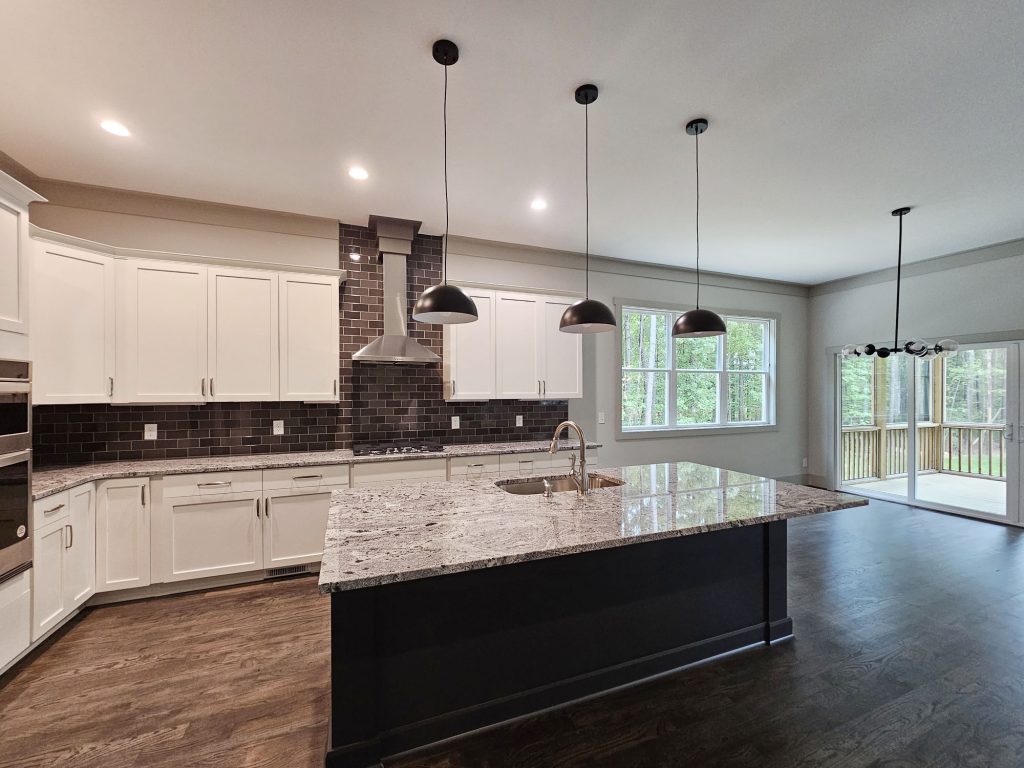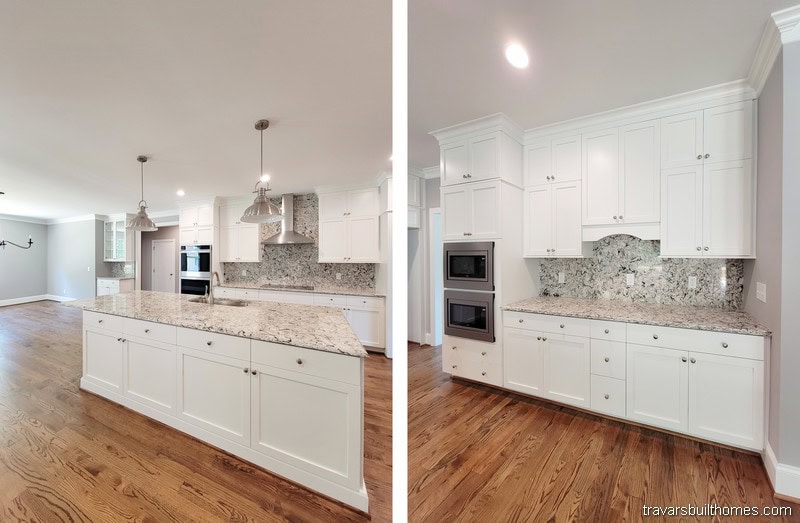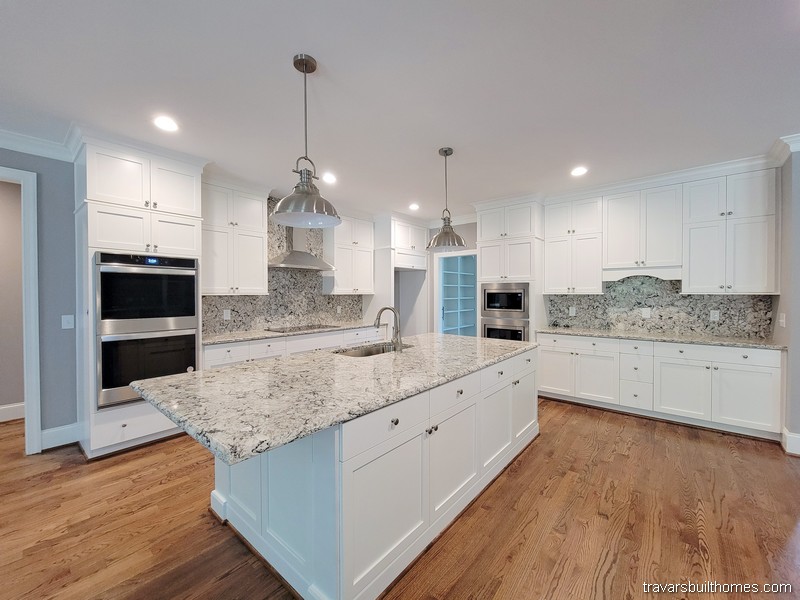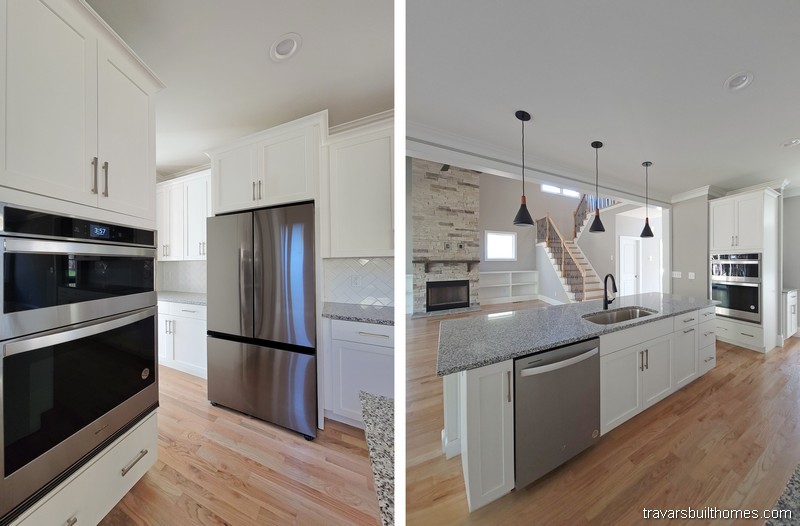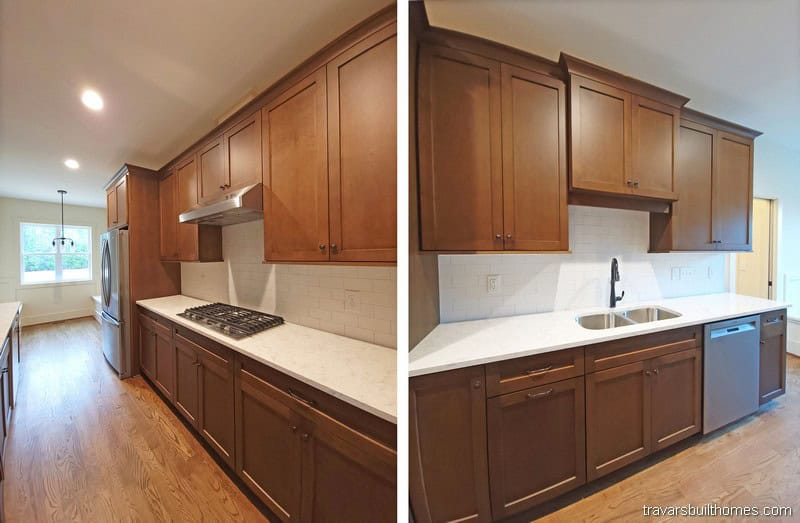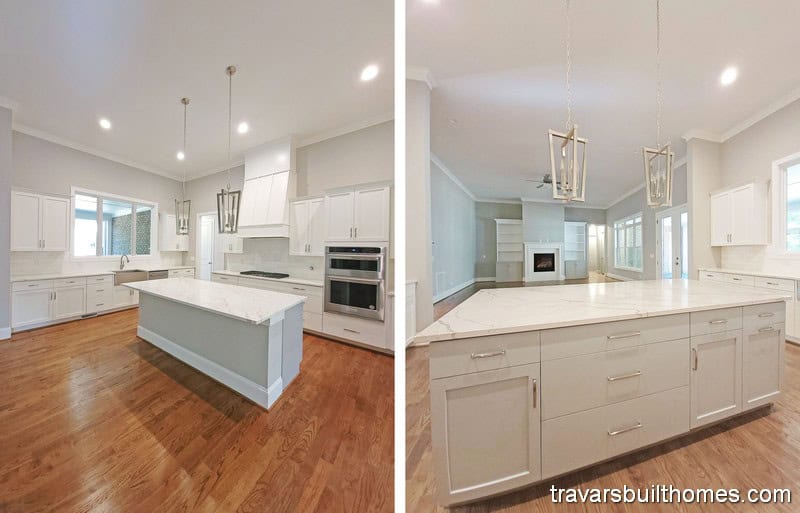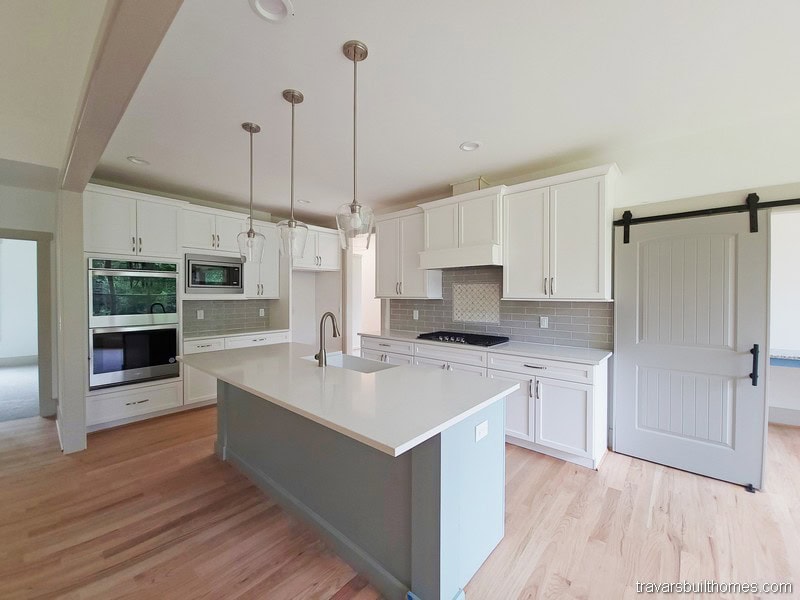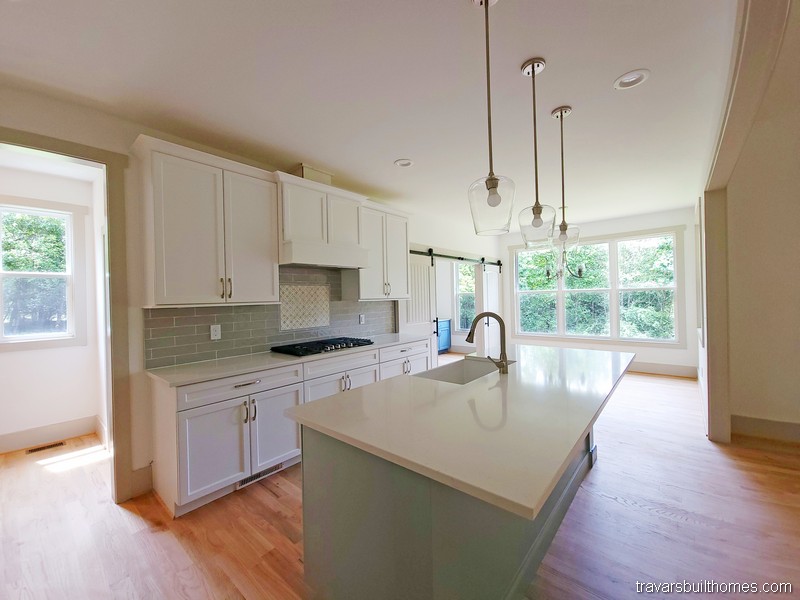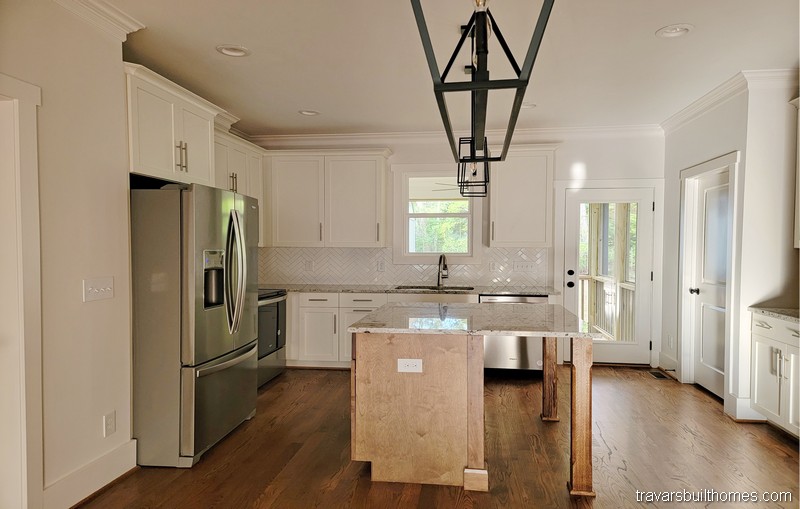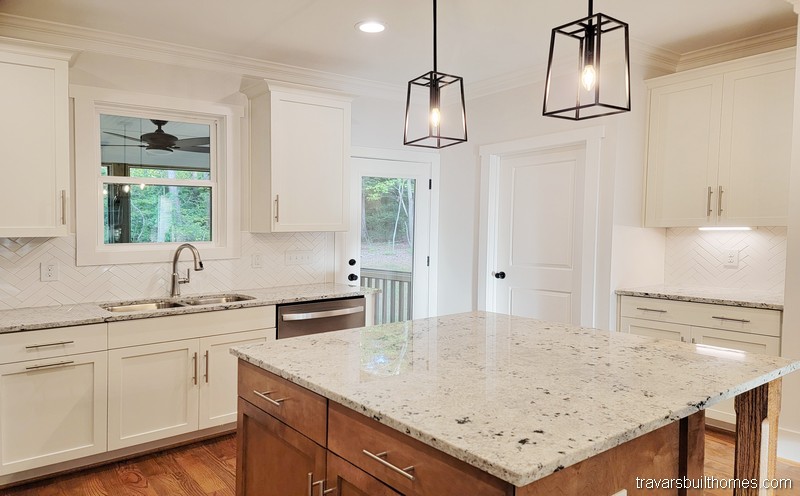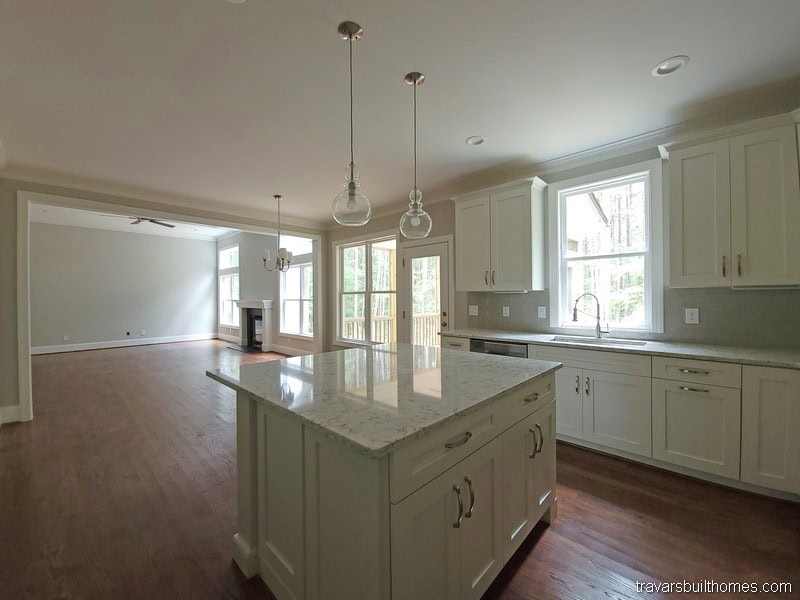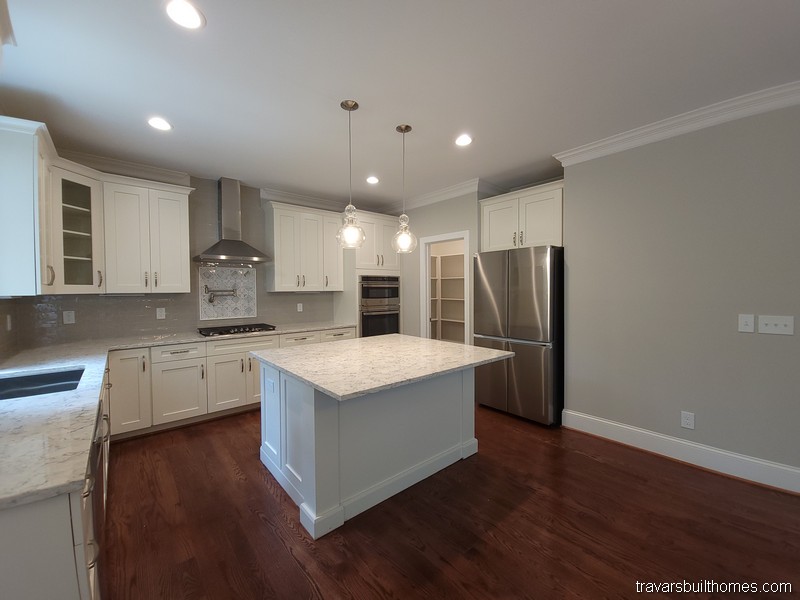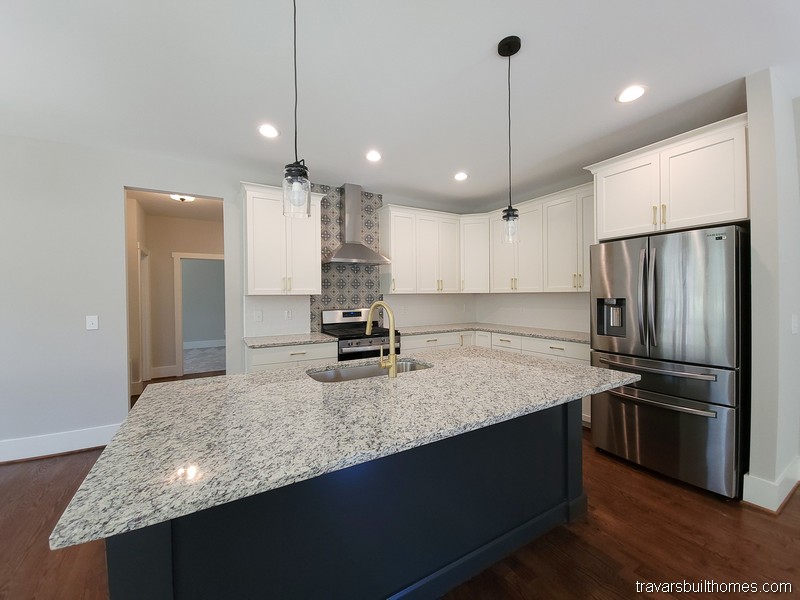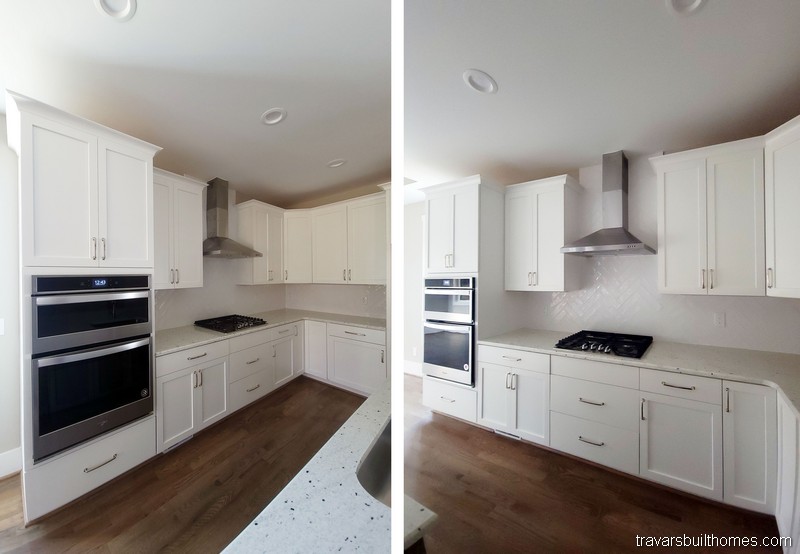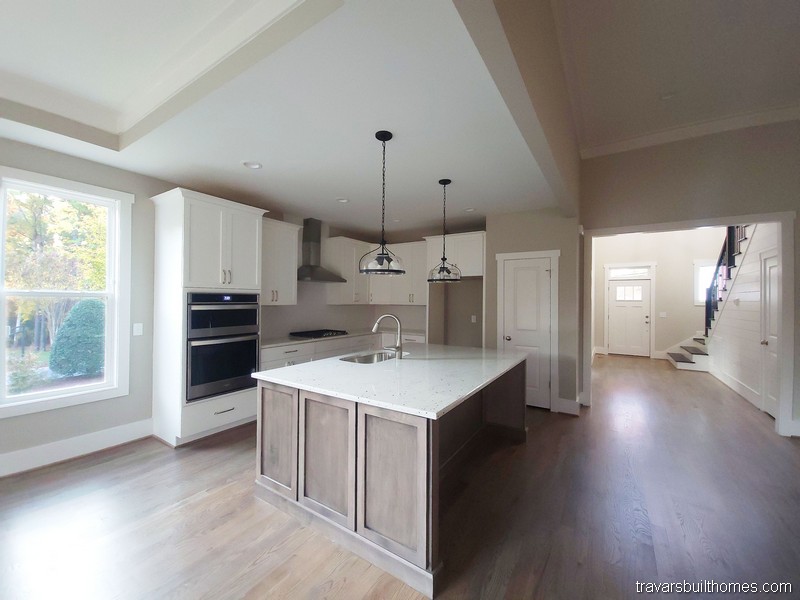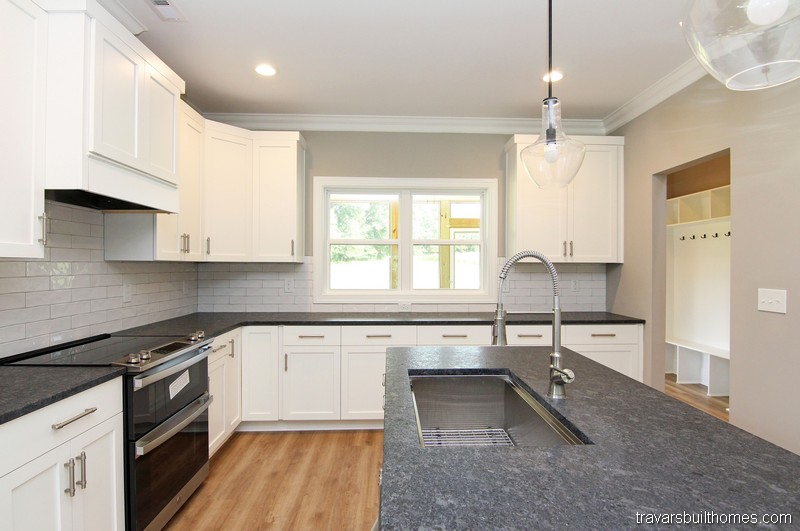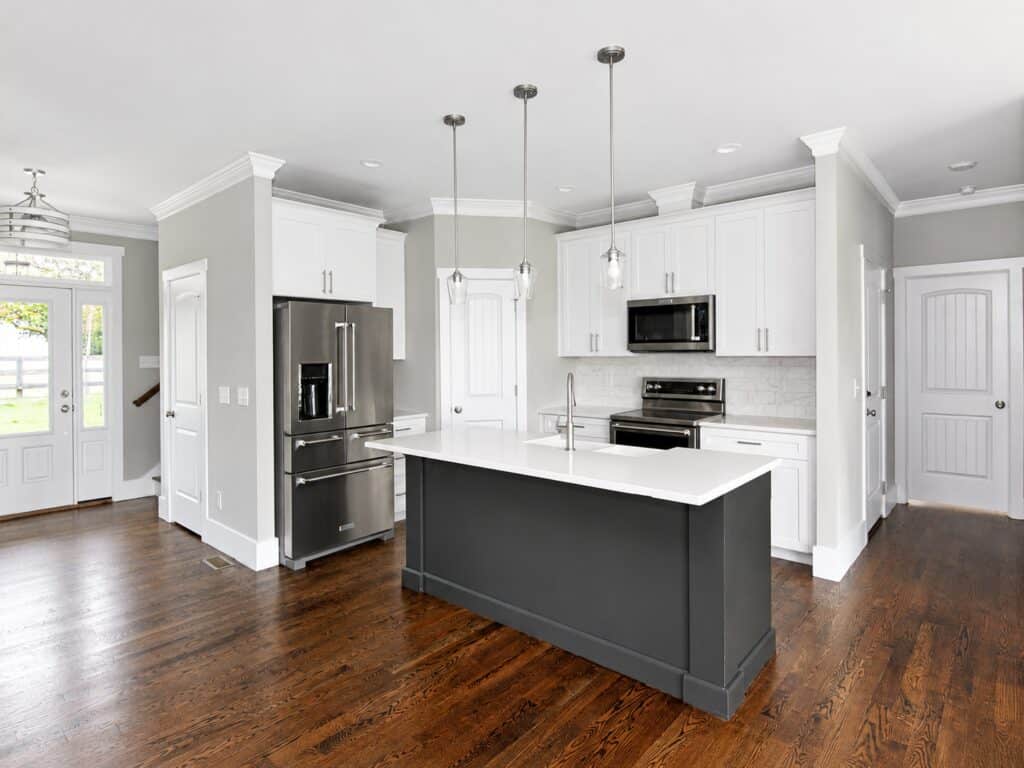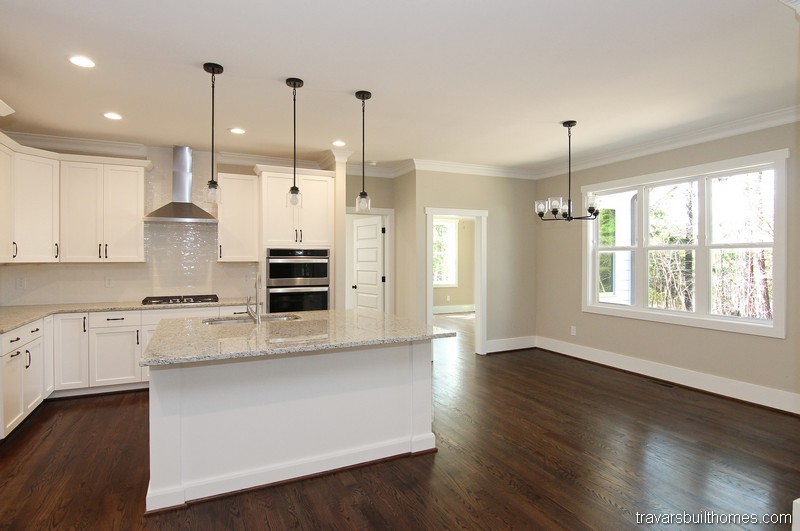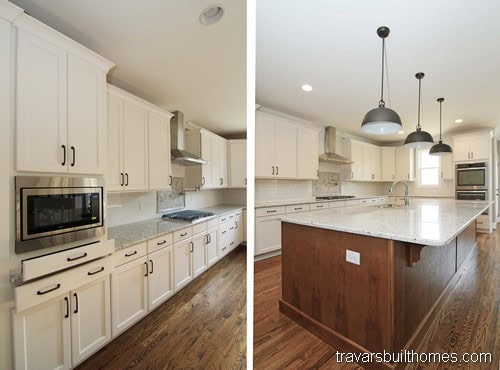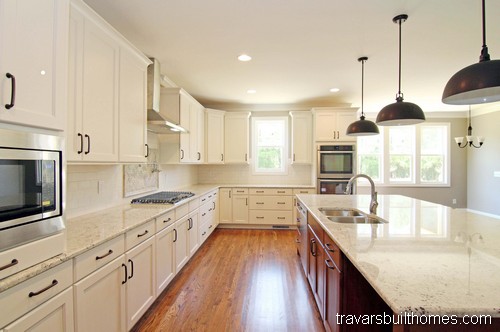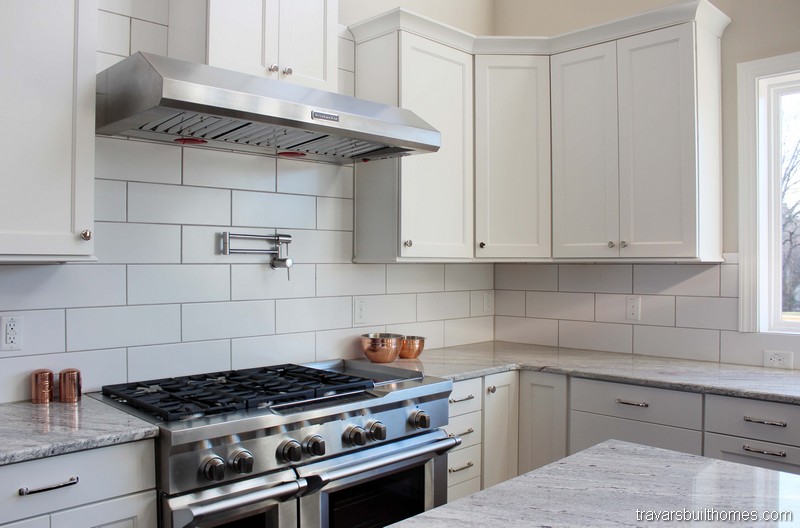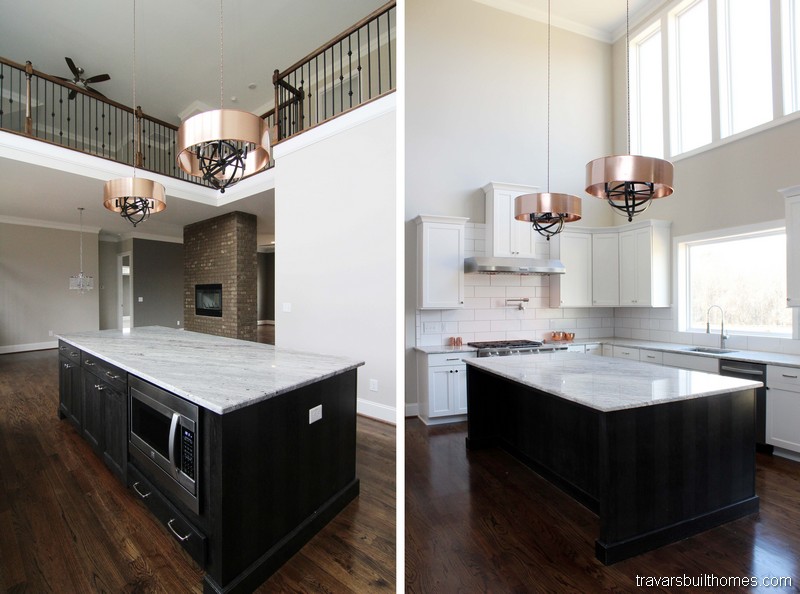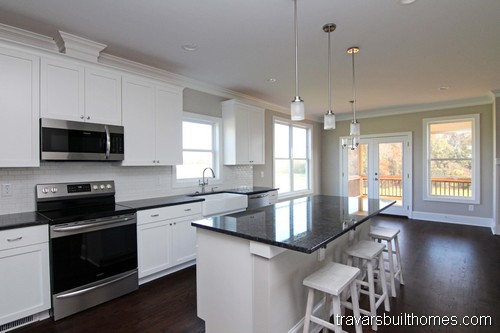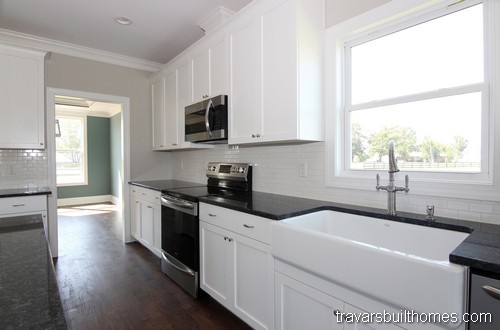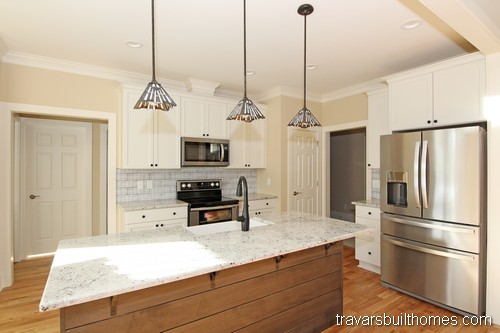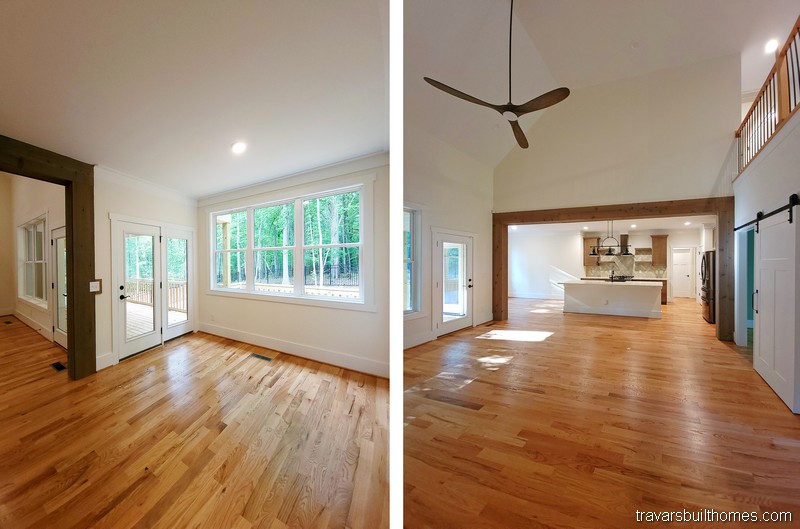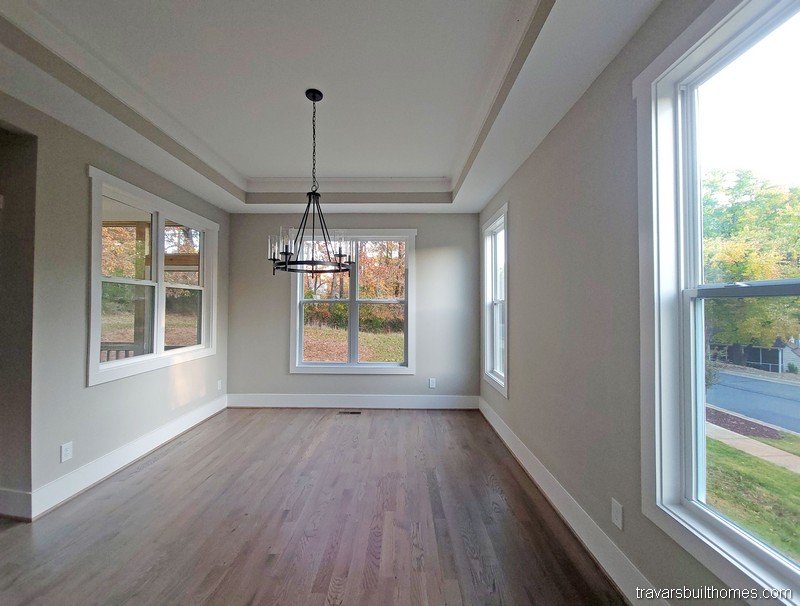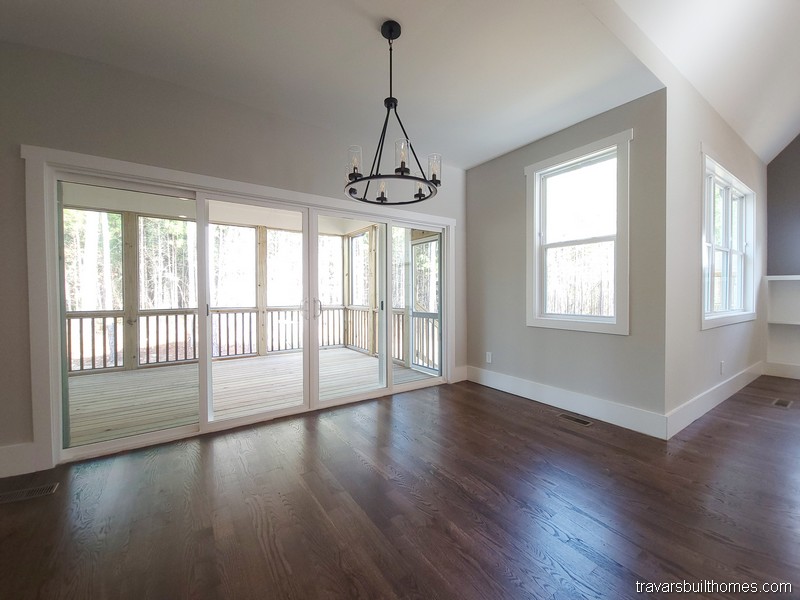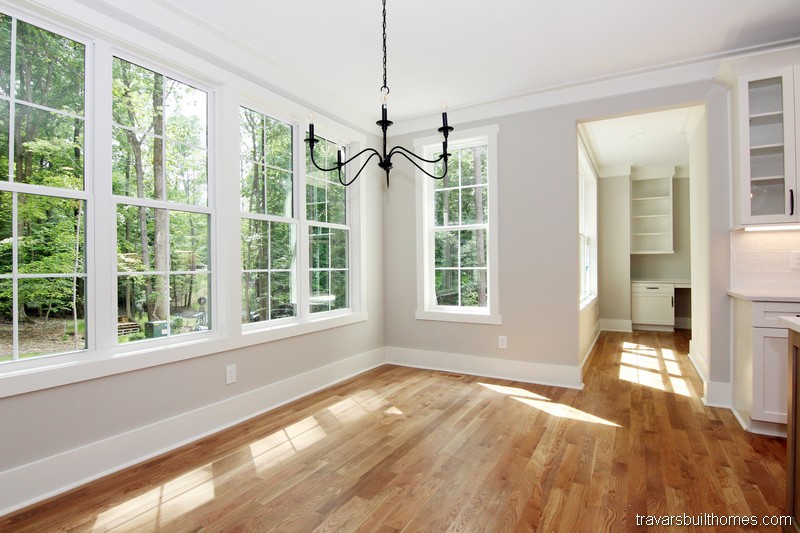
Comfortable Kitchens

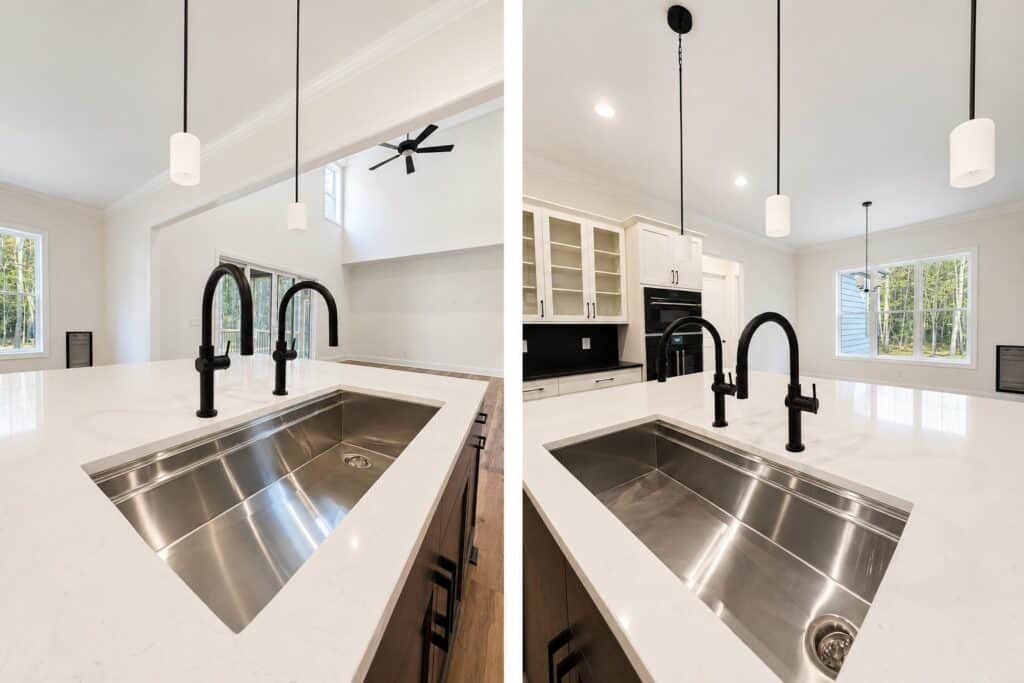
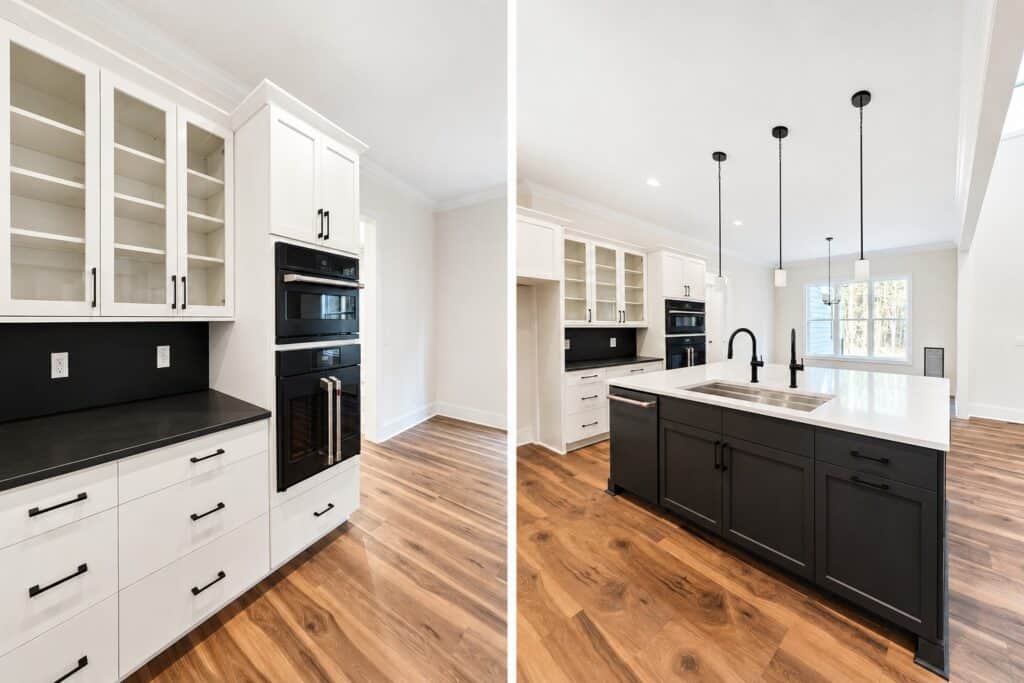
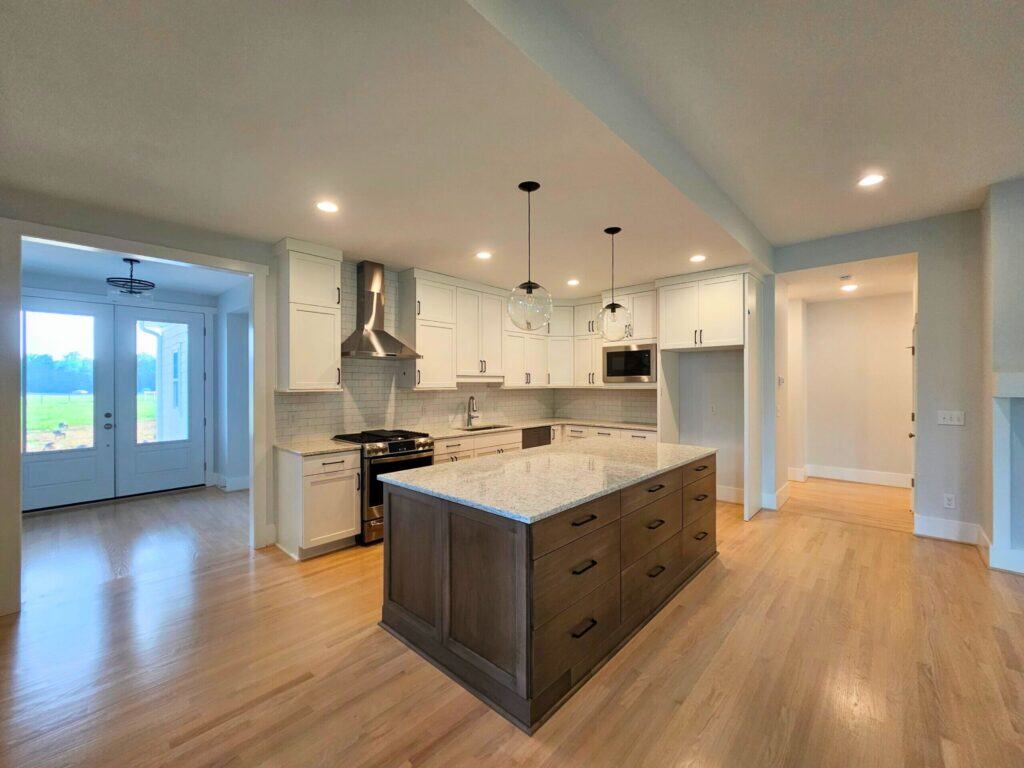
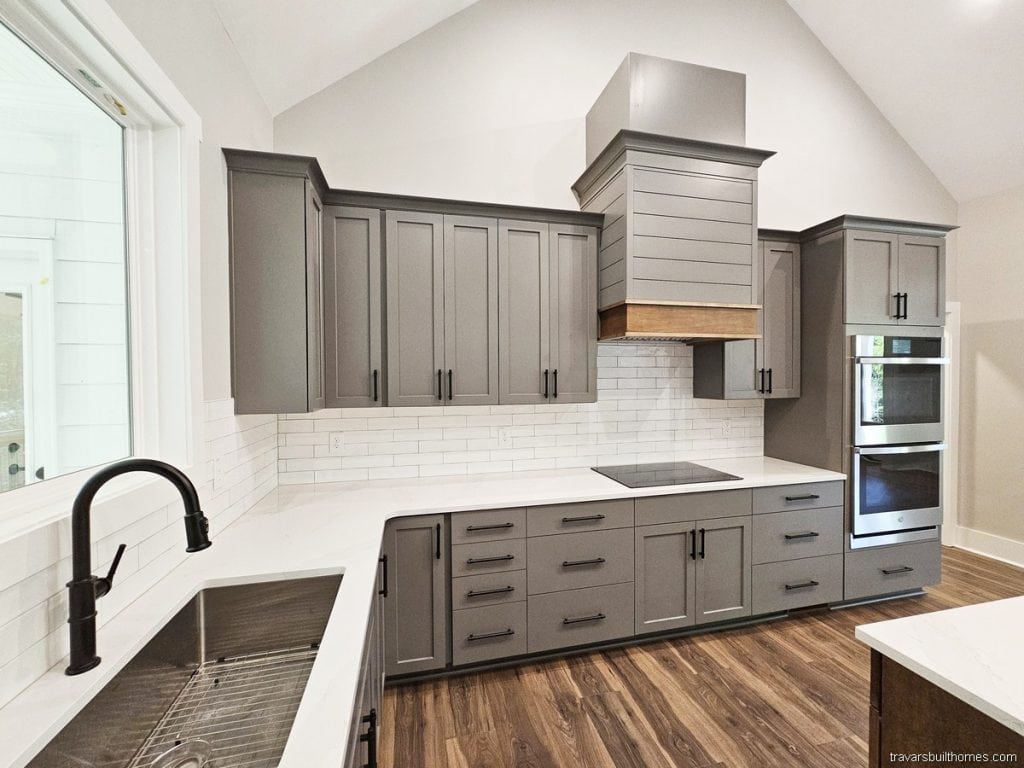
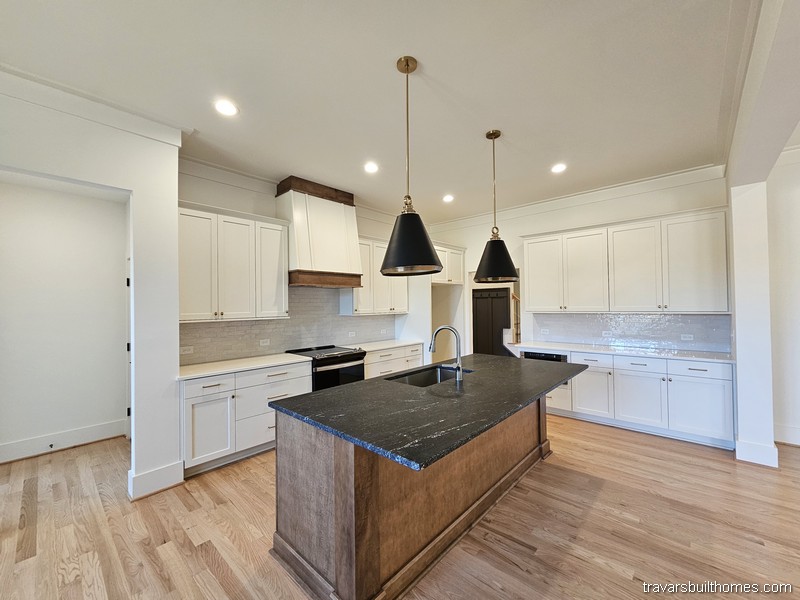
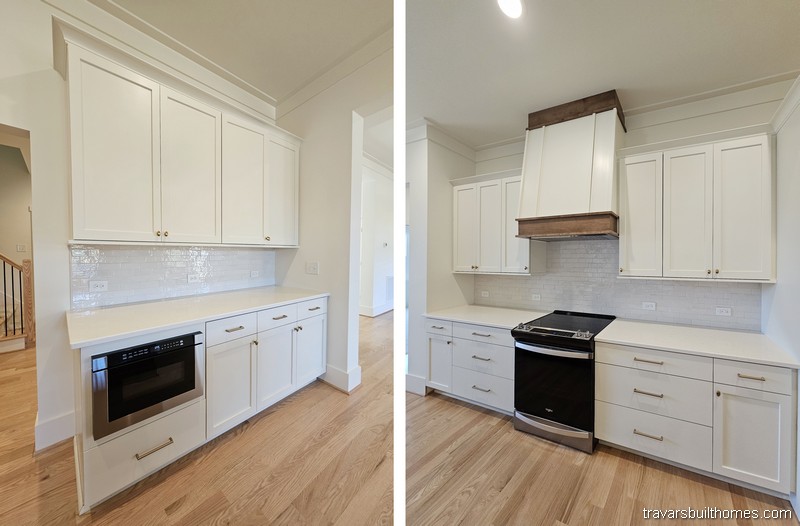
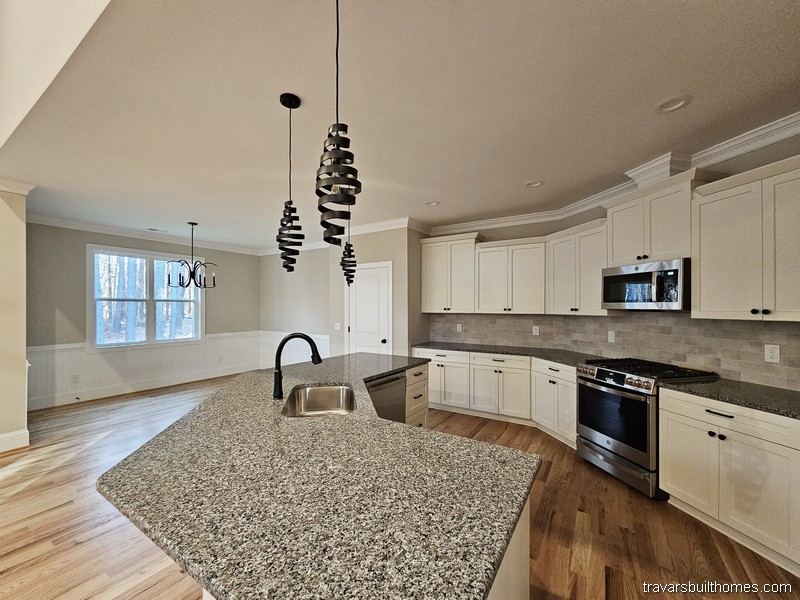
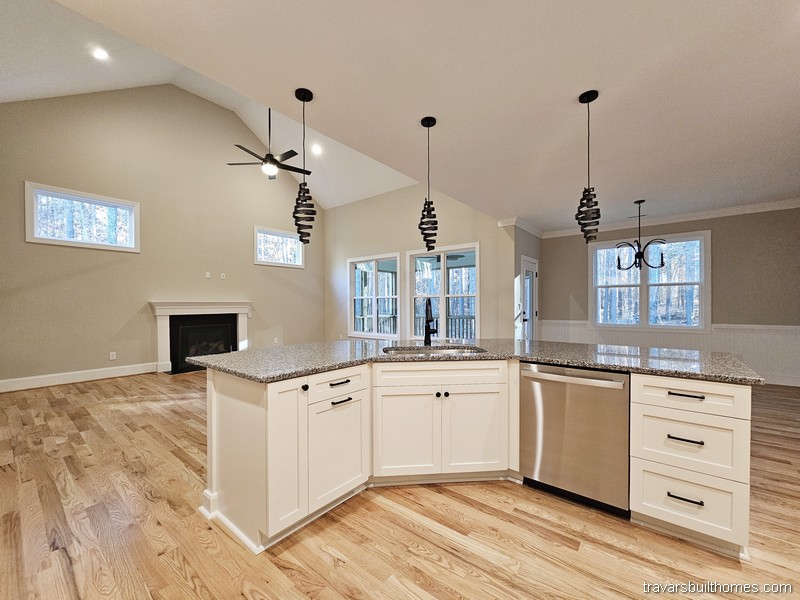
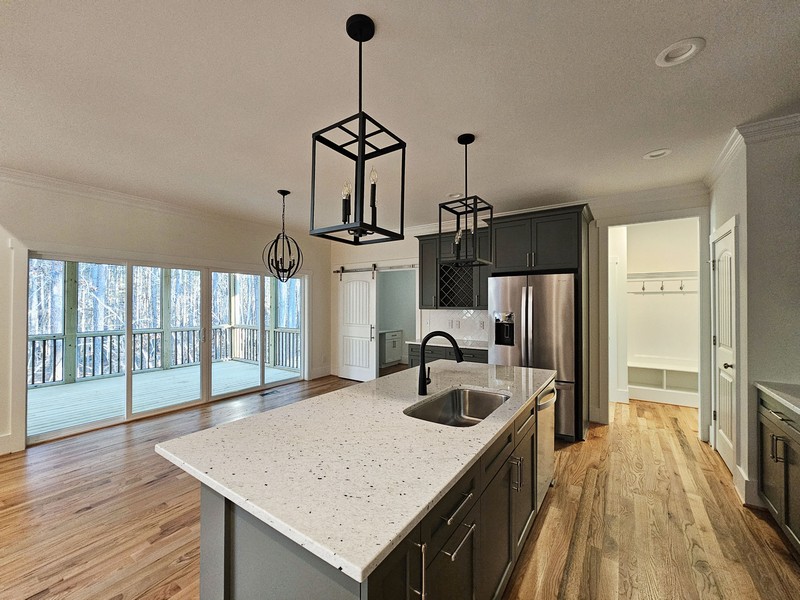
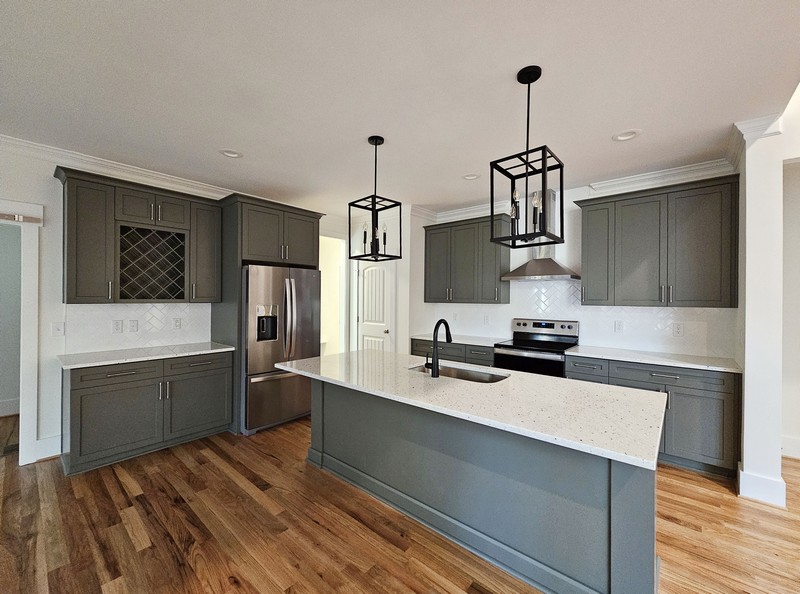
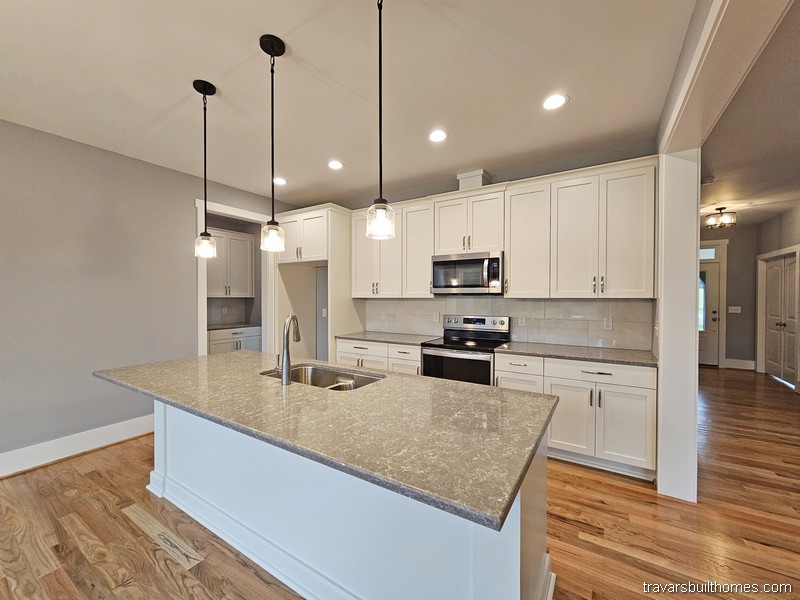
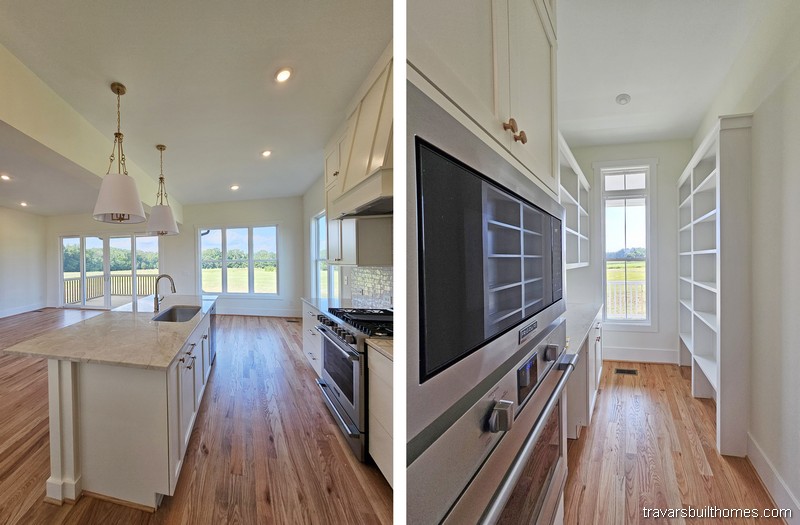
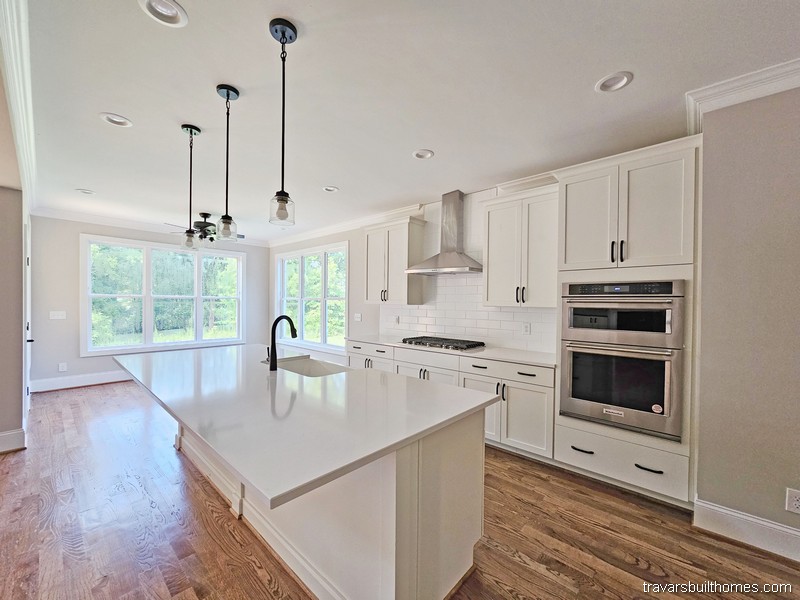
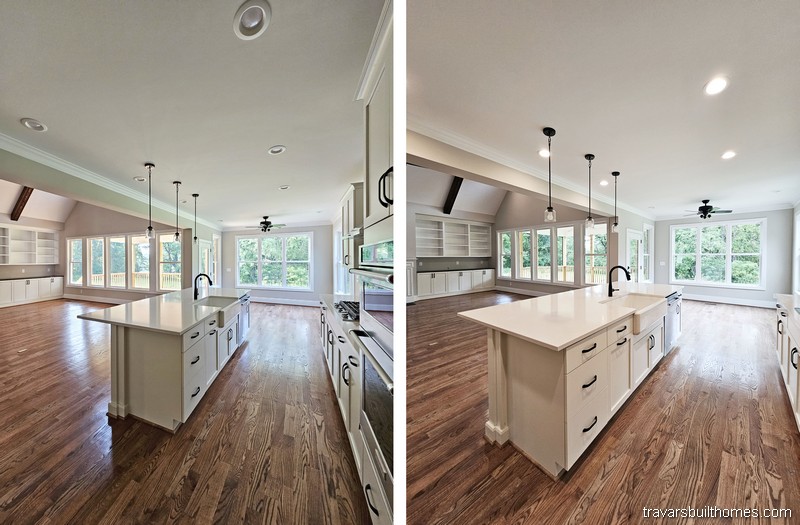
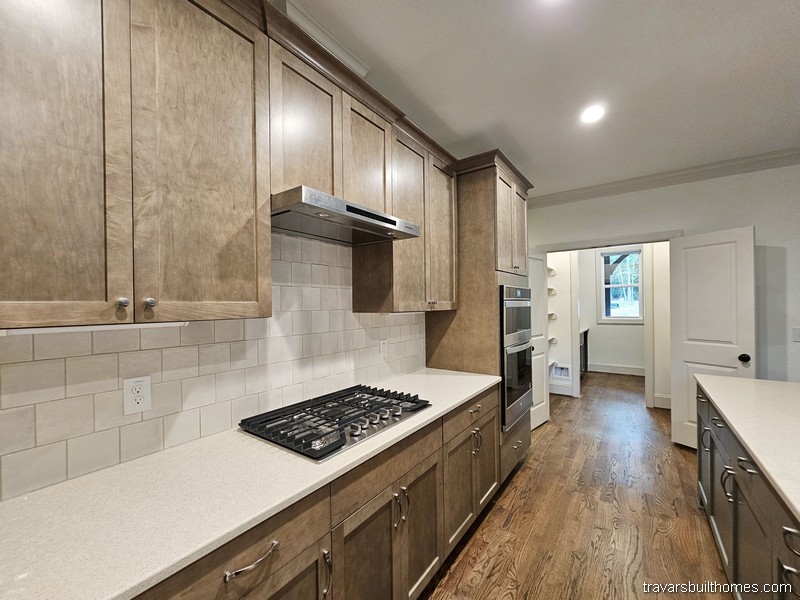
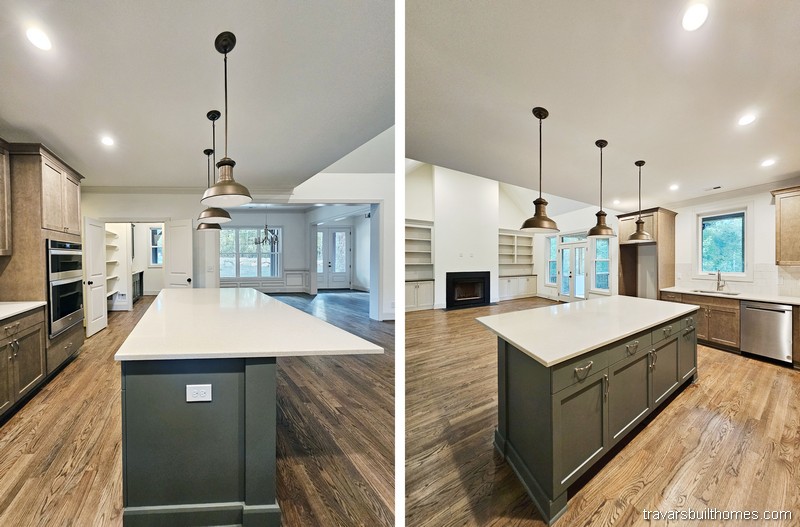
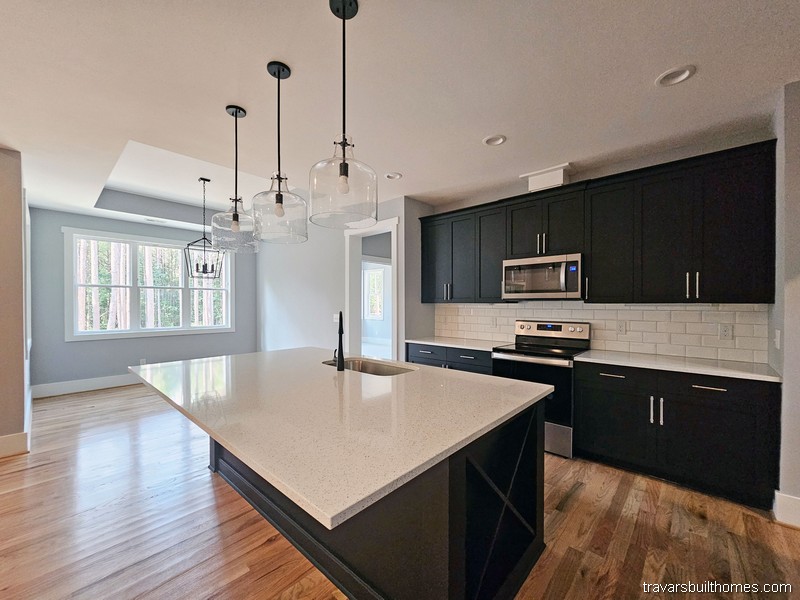
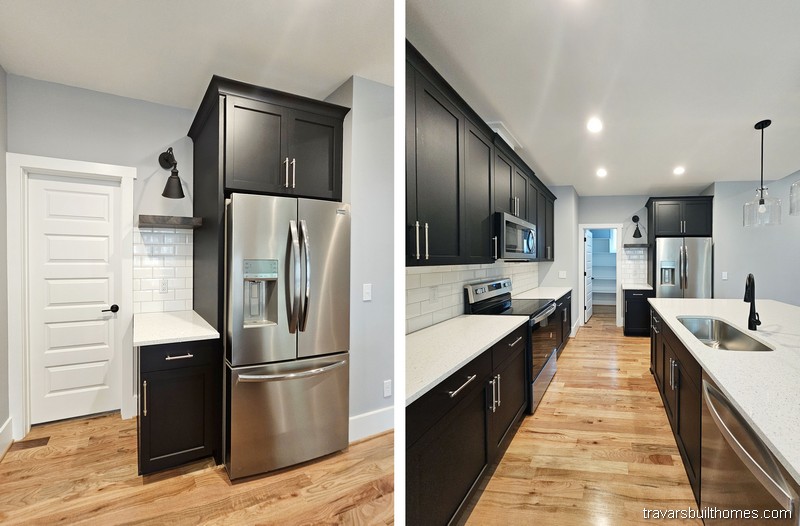
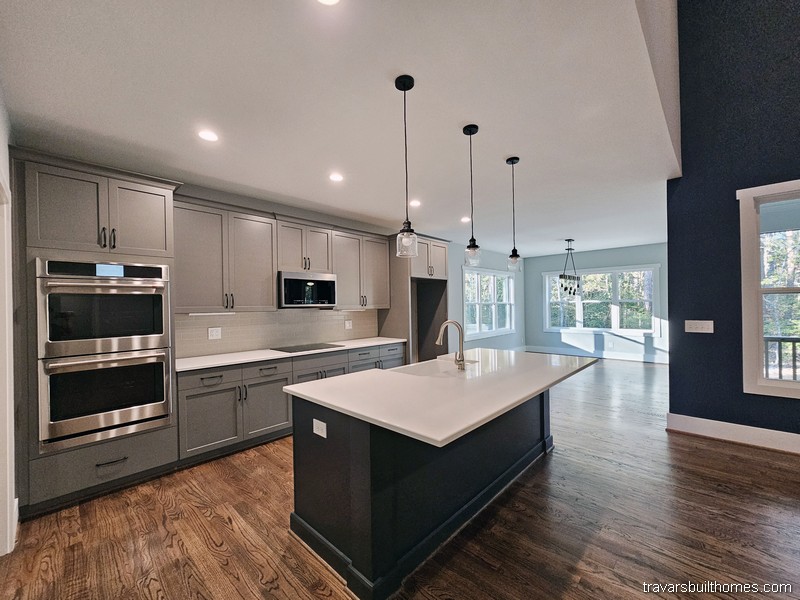
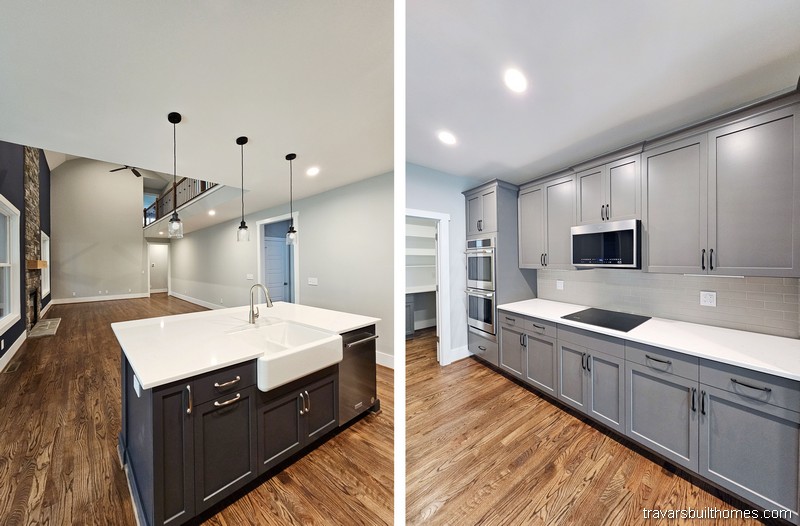
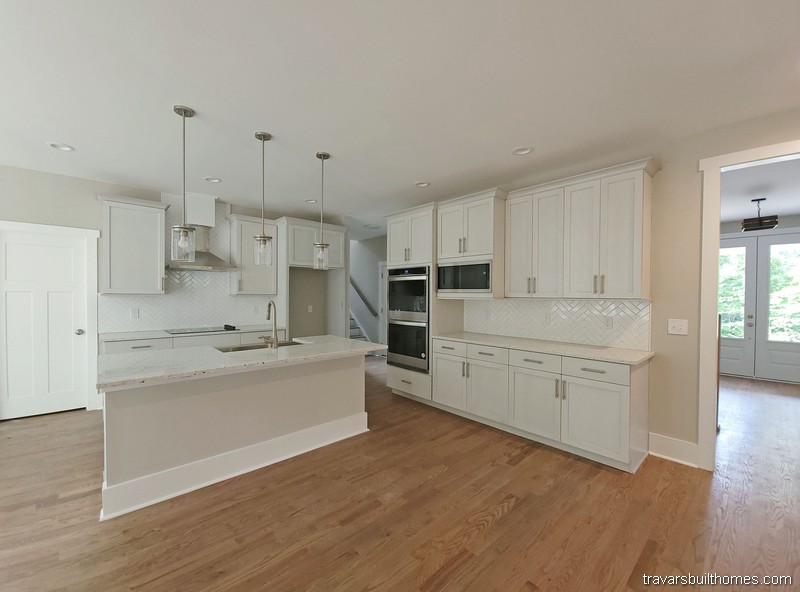
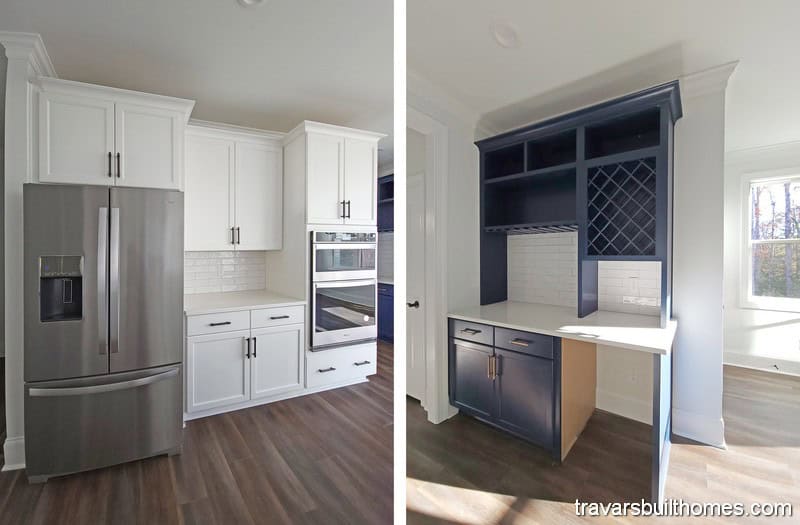
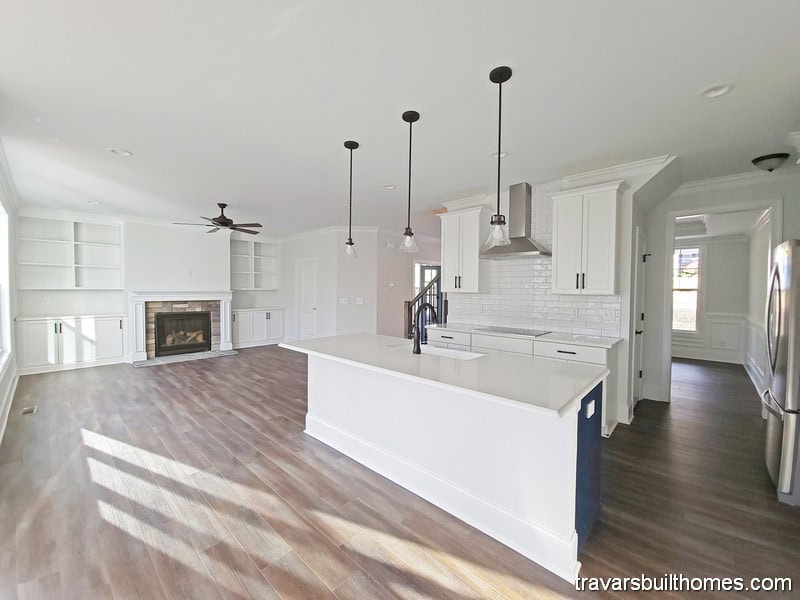
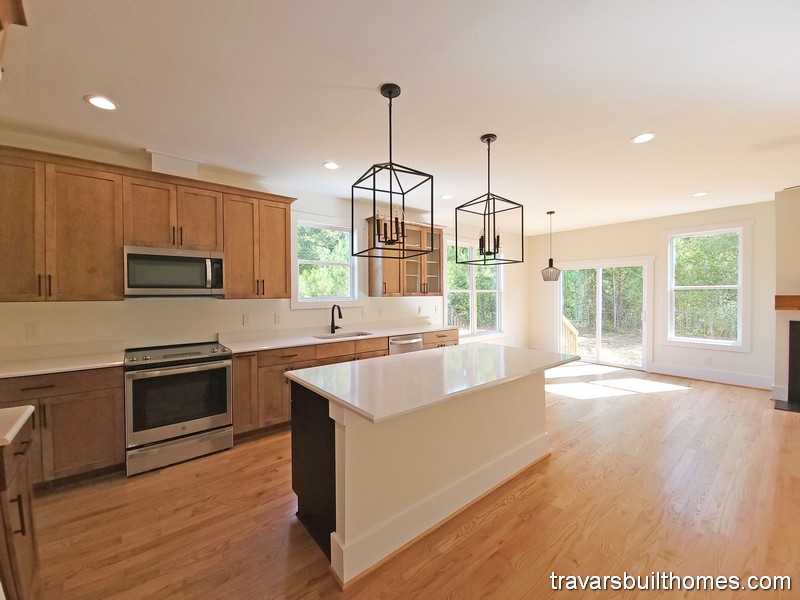
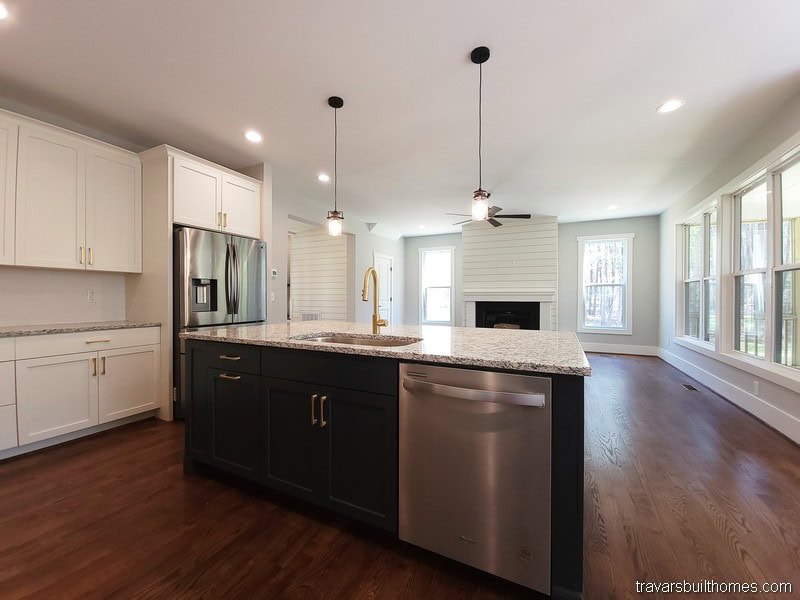
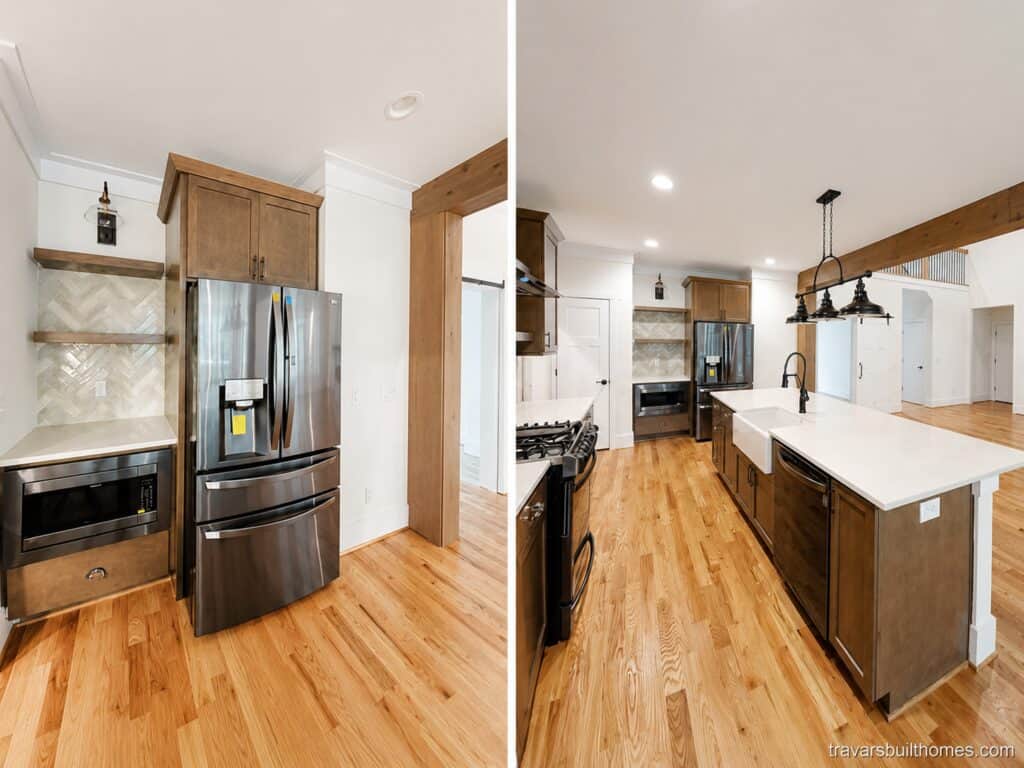
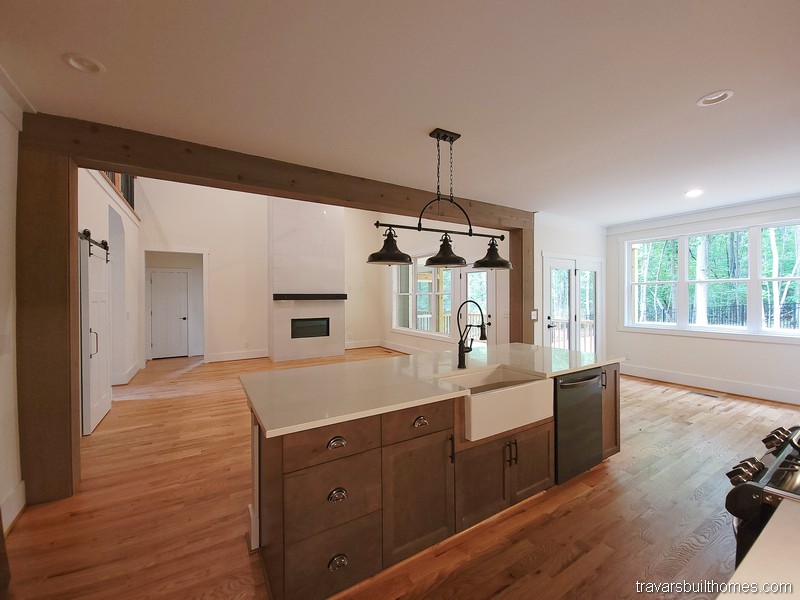
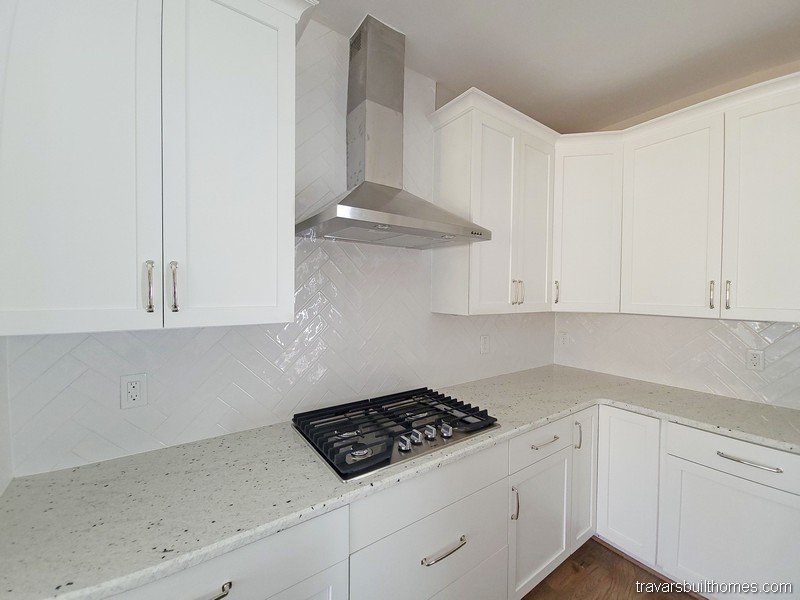
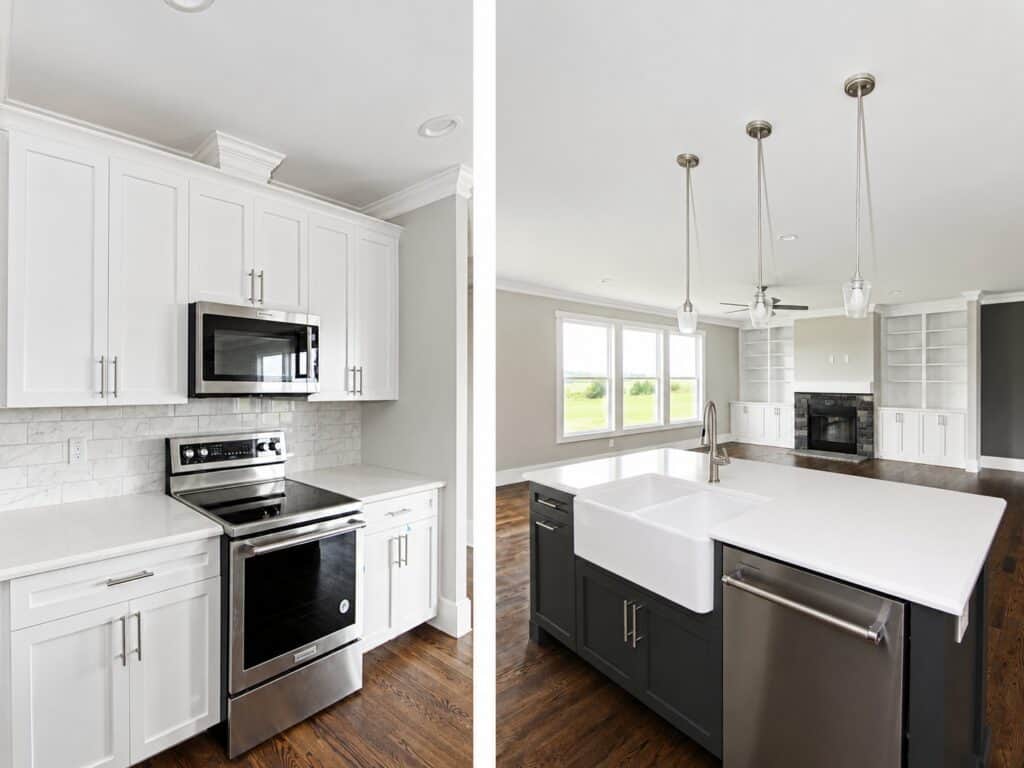
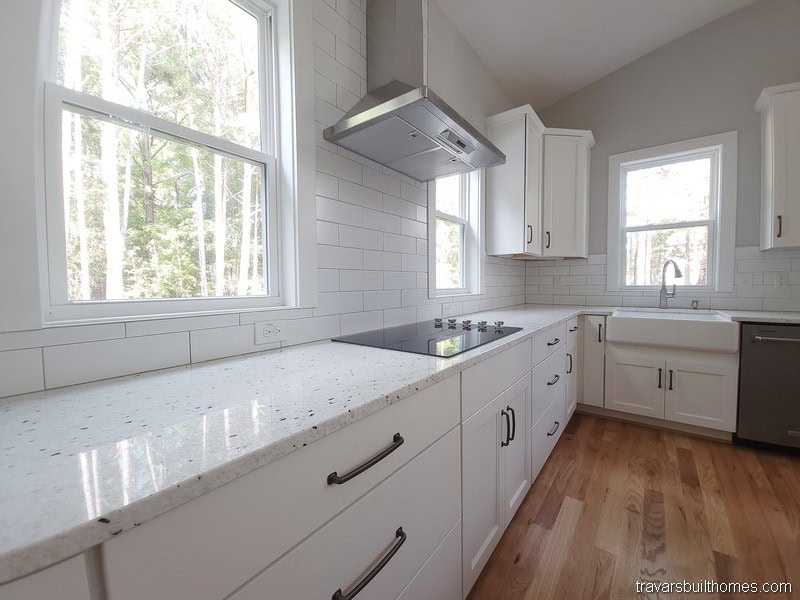
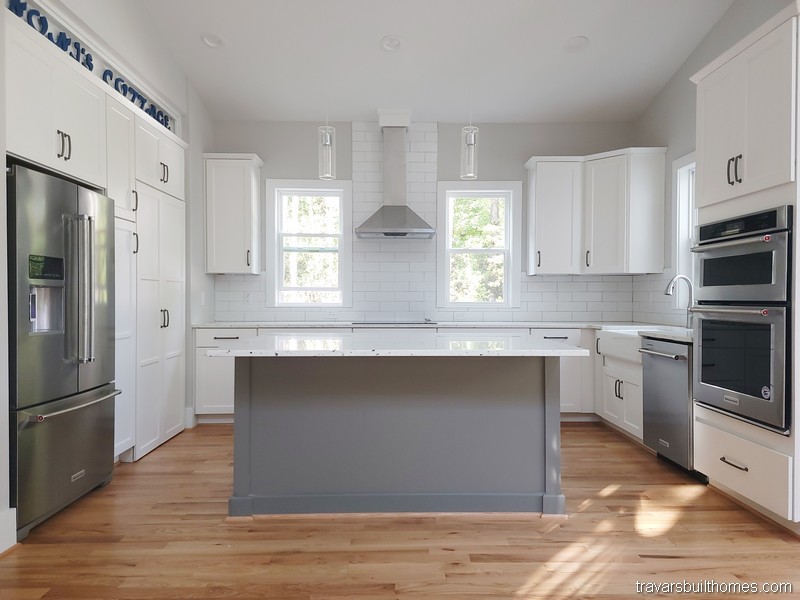
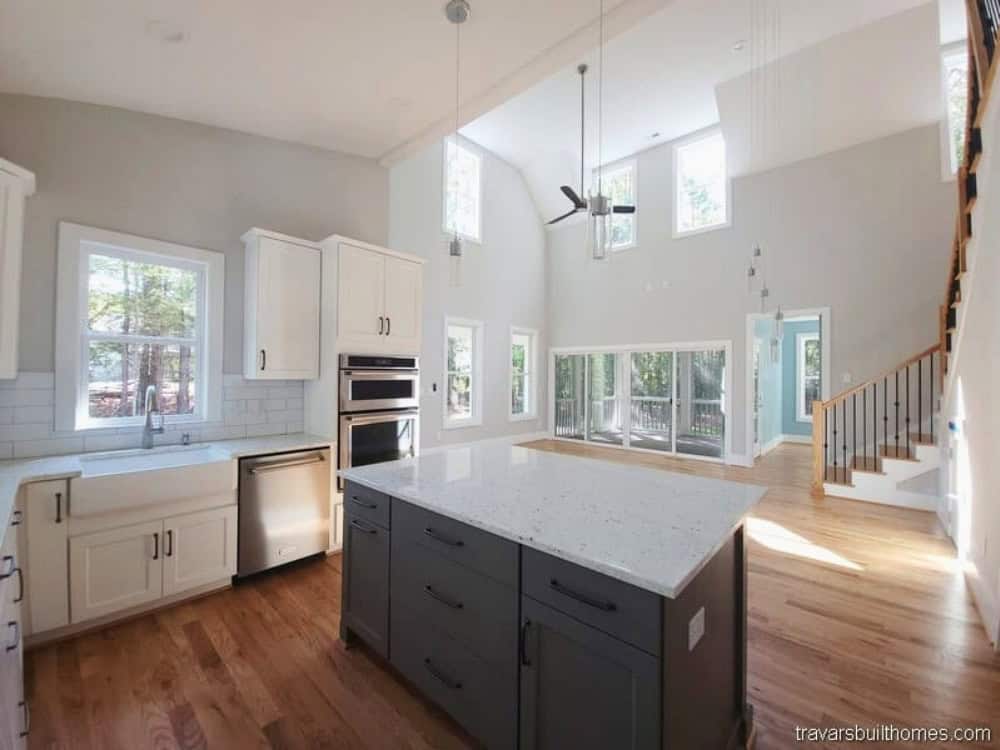
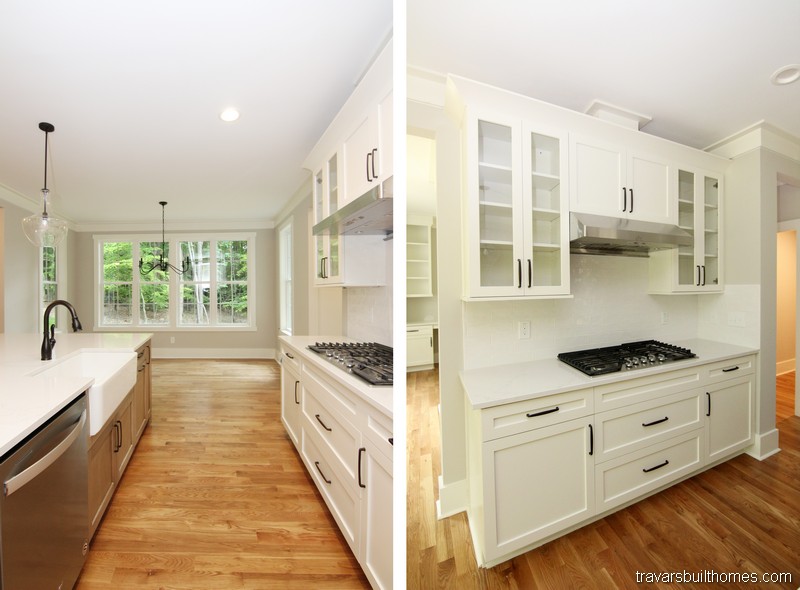
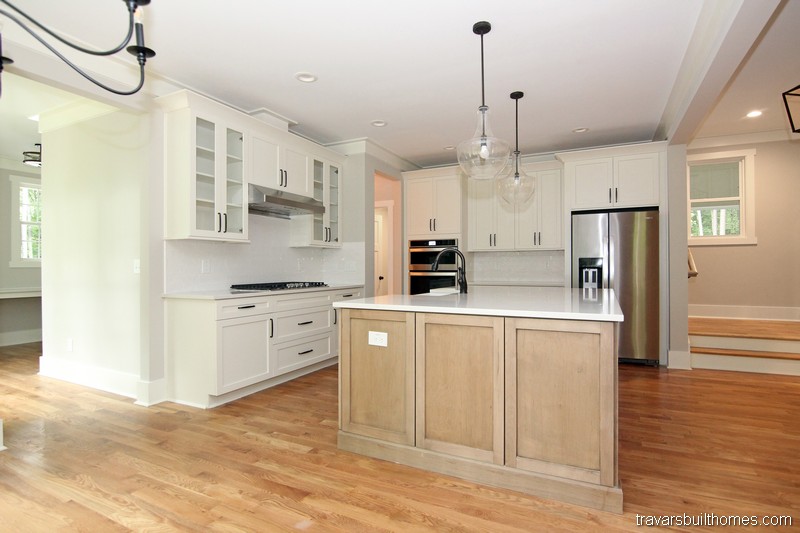
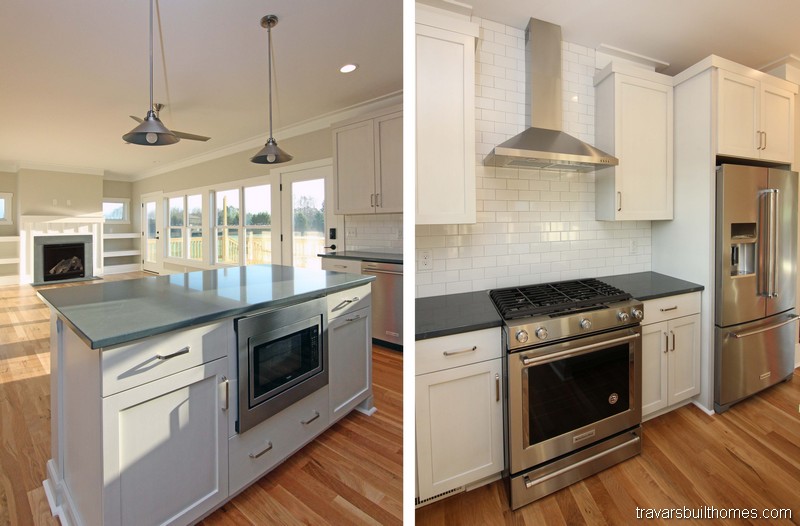
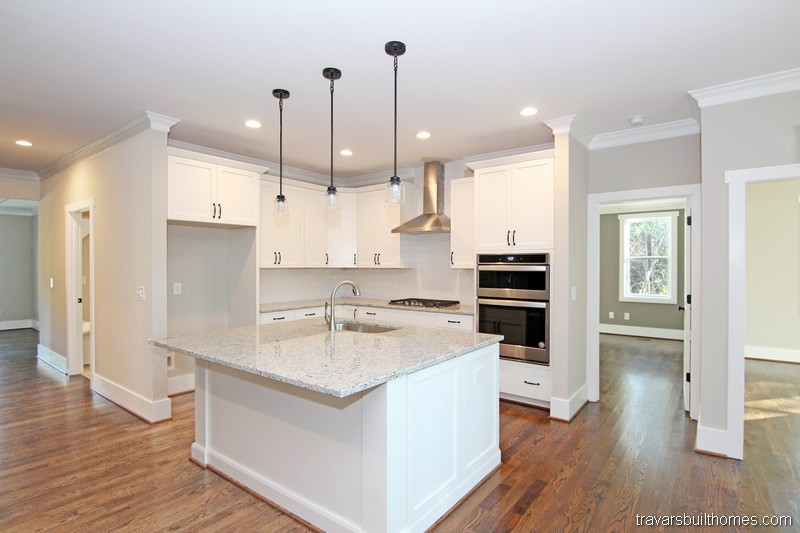
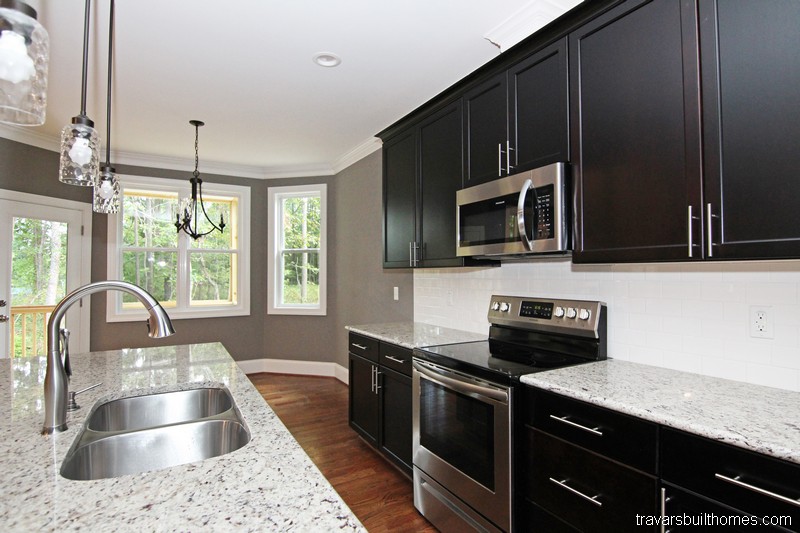
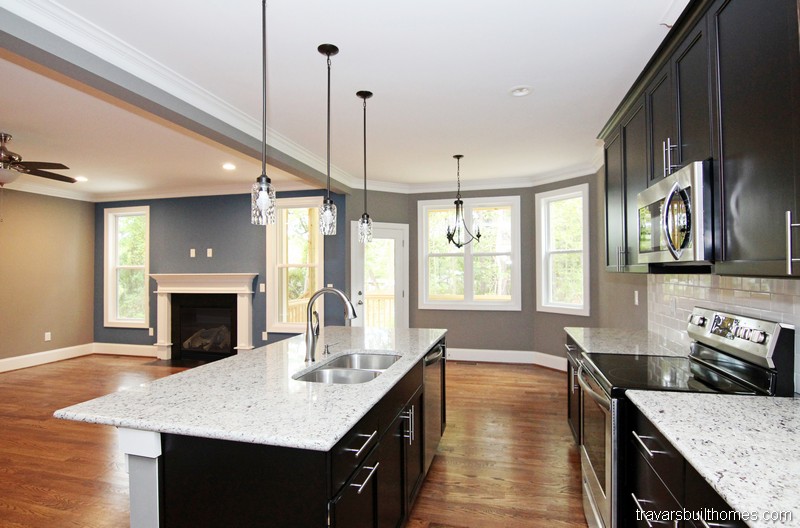
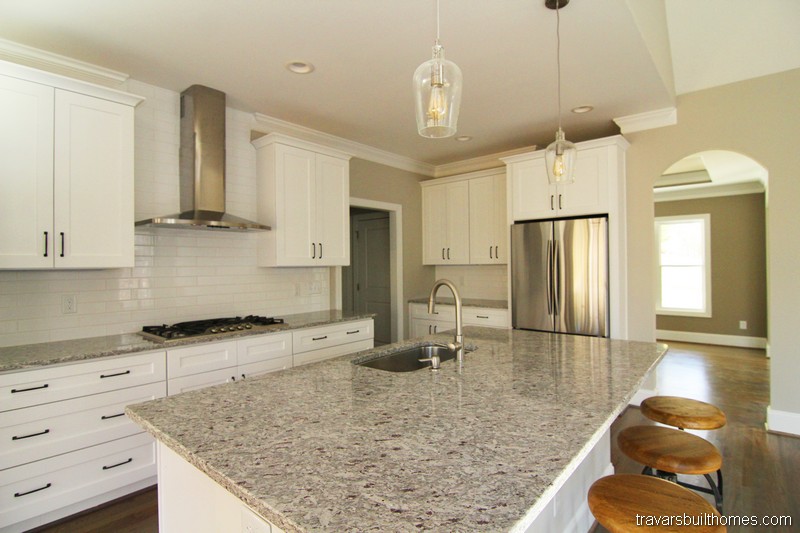
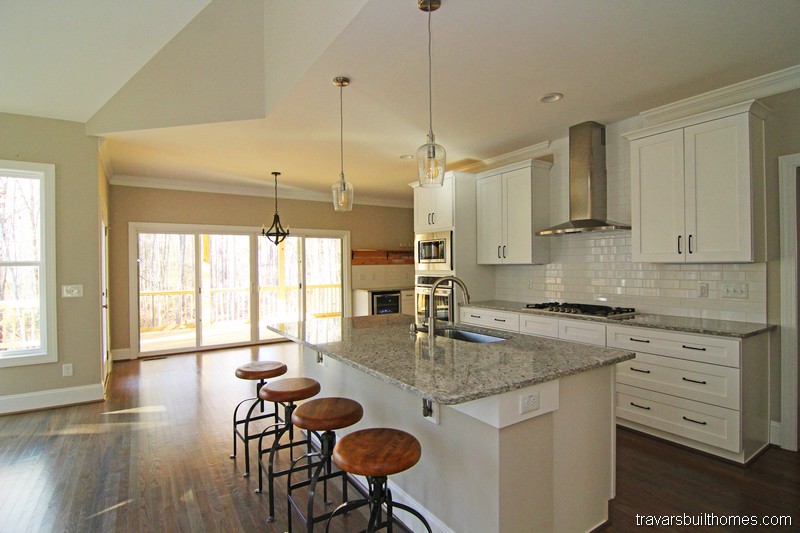
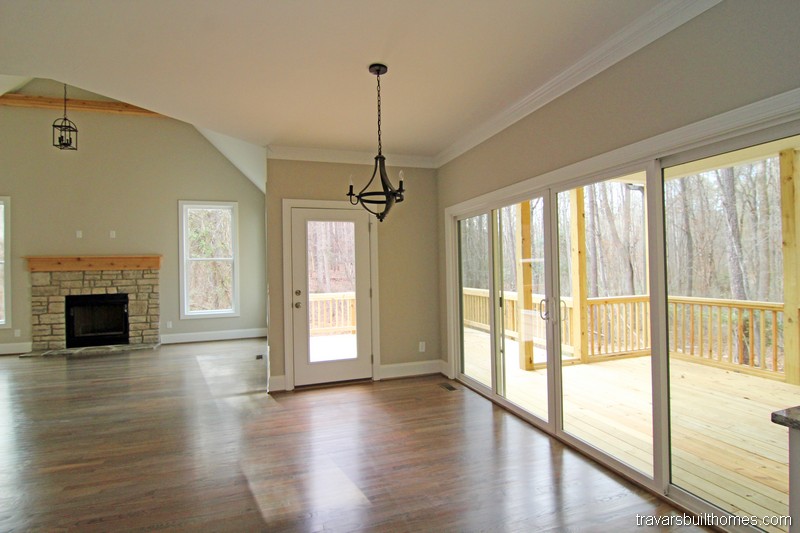
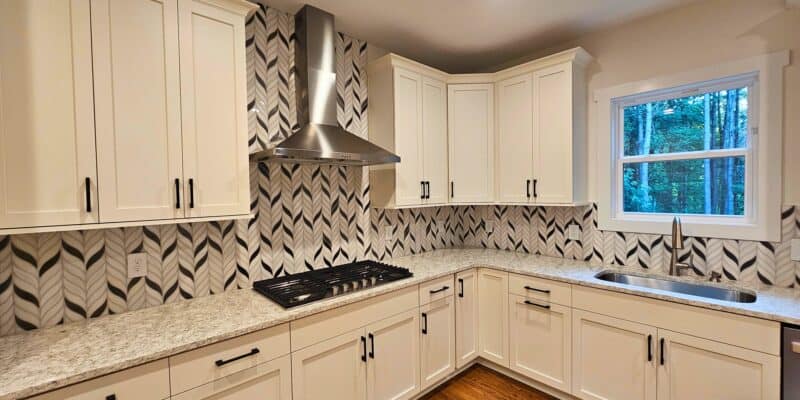
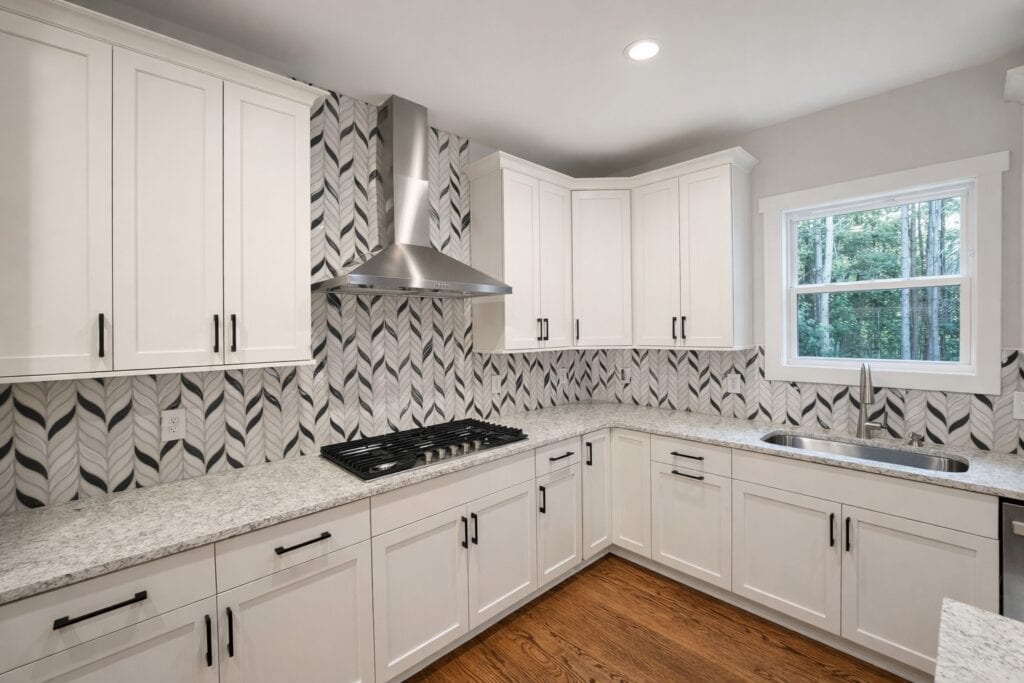
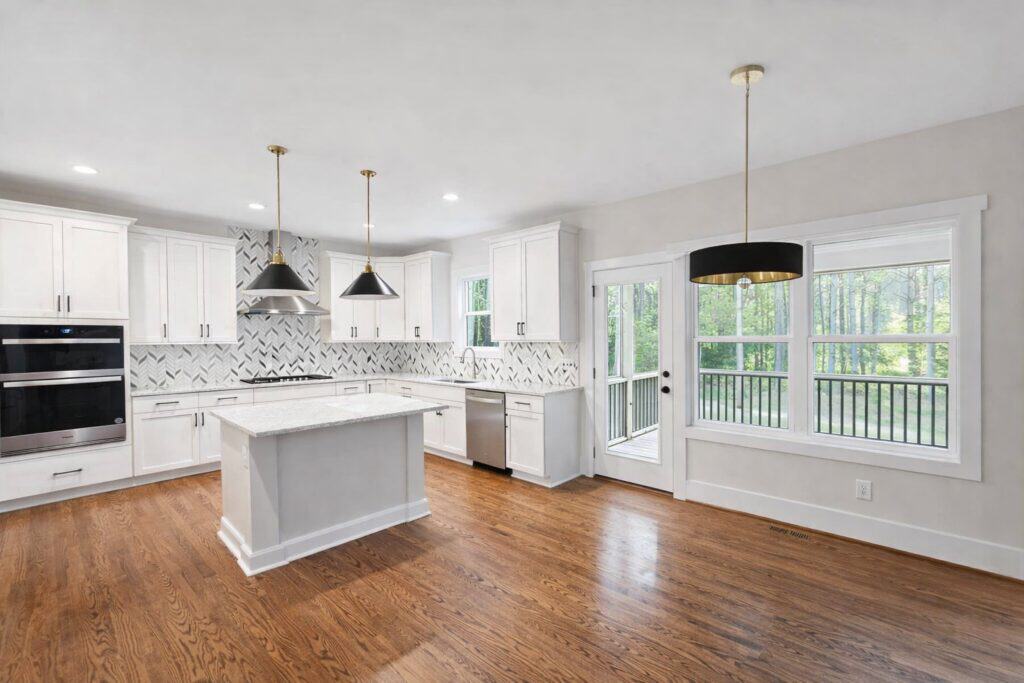
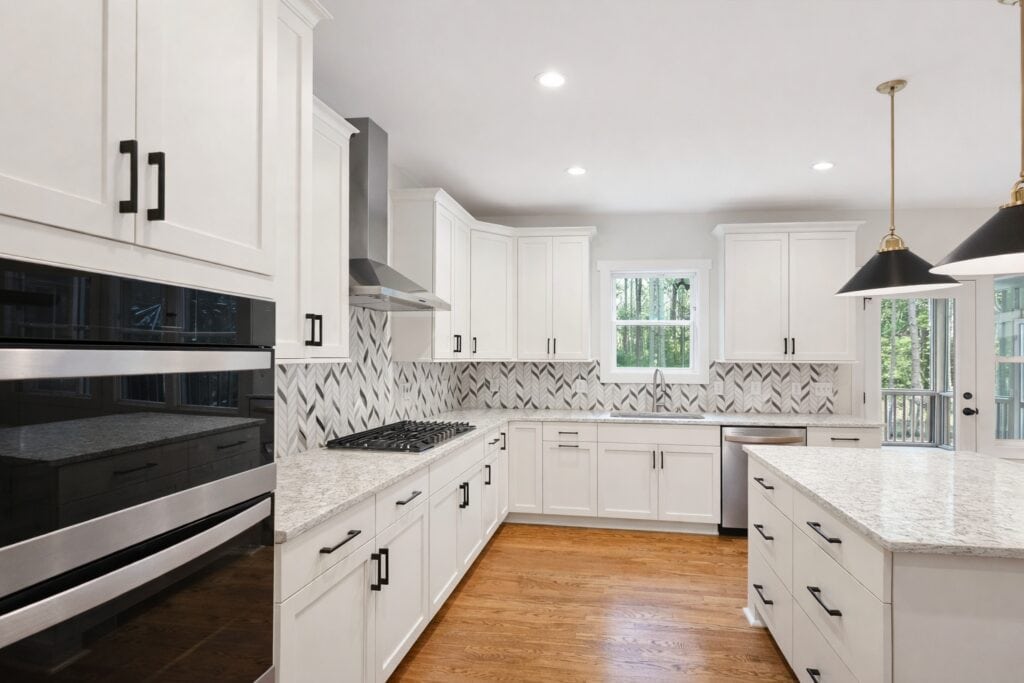
These kitchens reflect a balance of craftsmanship, function, and personalization, with features such as:

  • Expansive center islands designed for gathering, prep, and everyday use.
  • Layered cabinetry and finish selections that create contrast, depth, and timeless appeal.
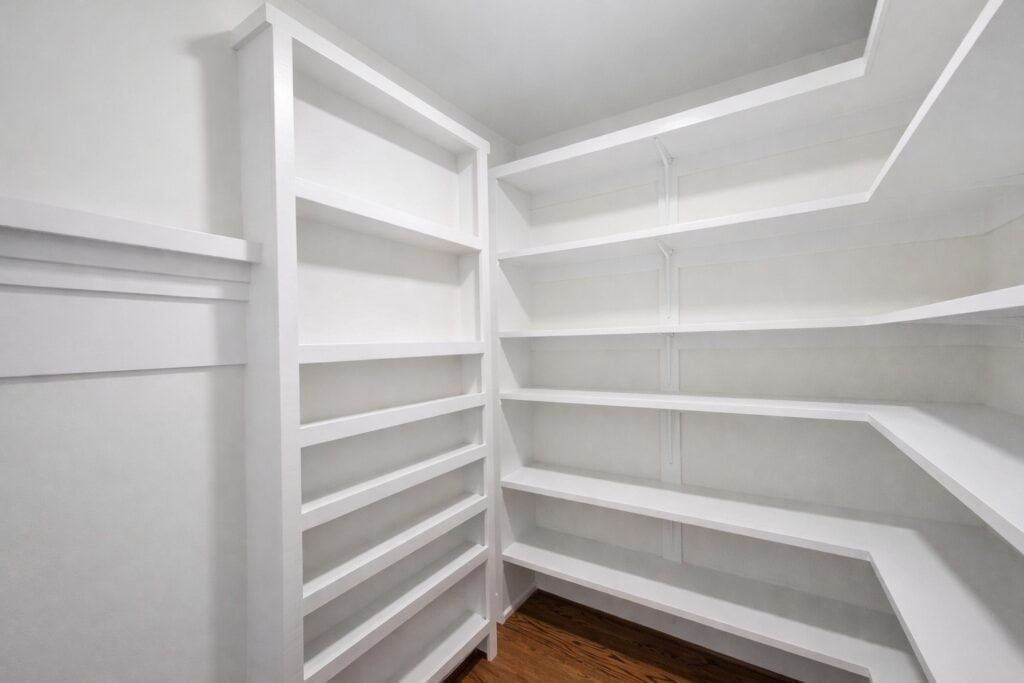
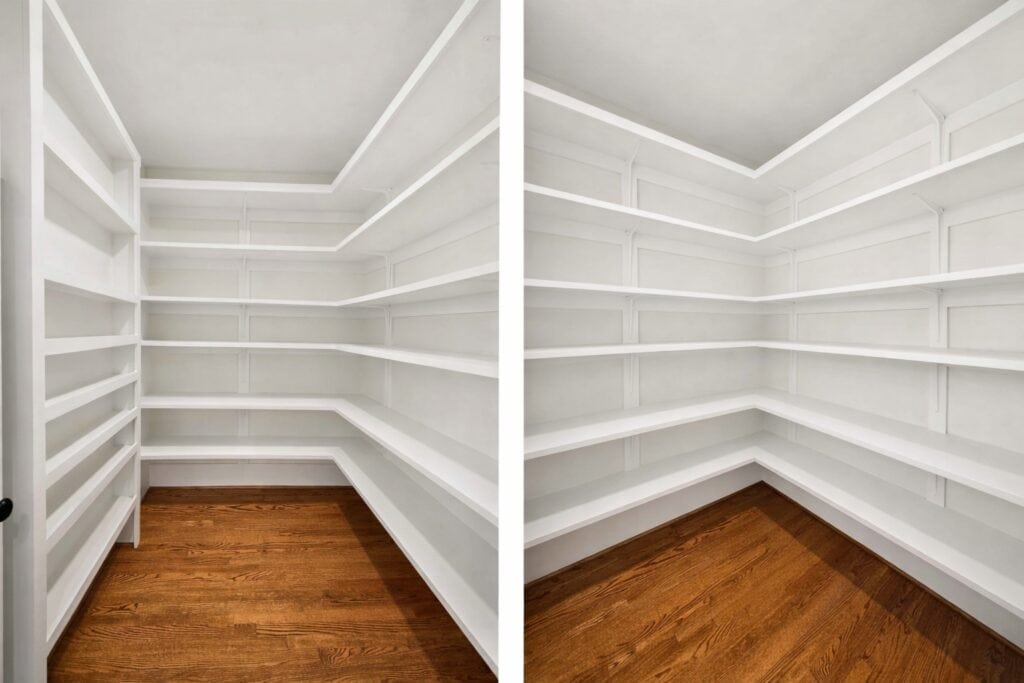
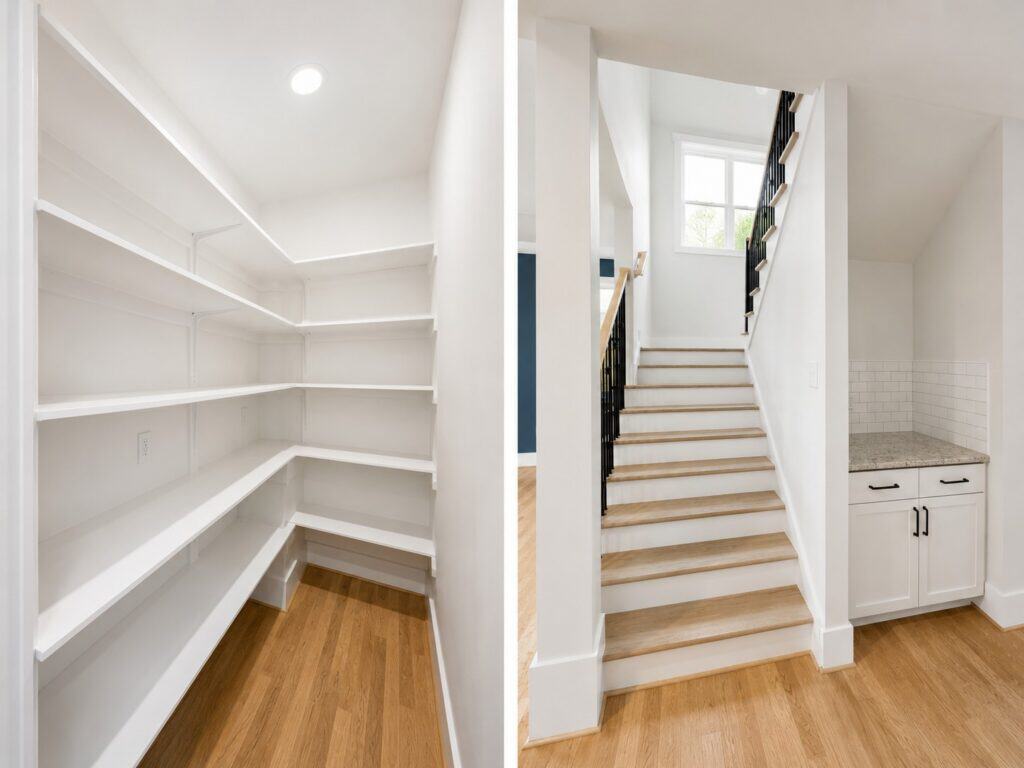
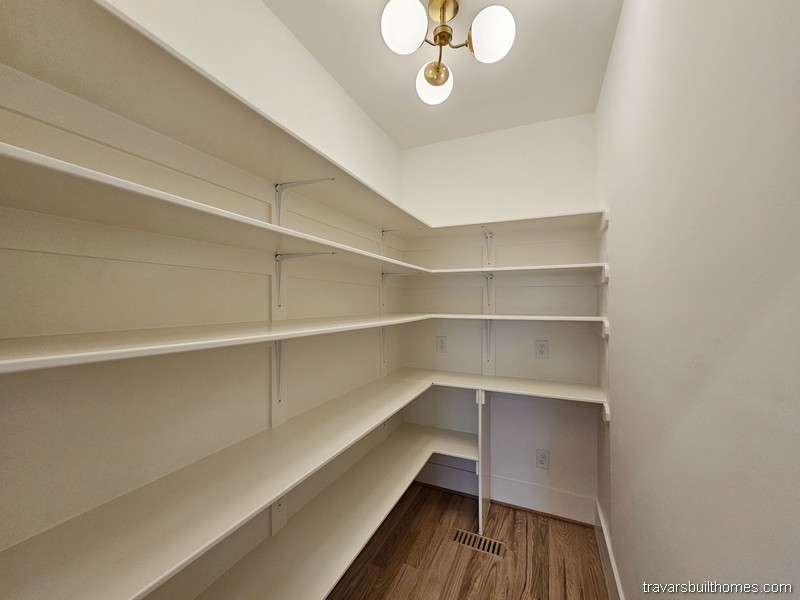
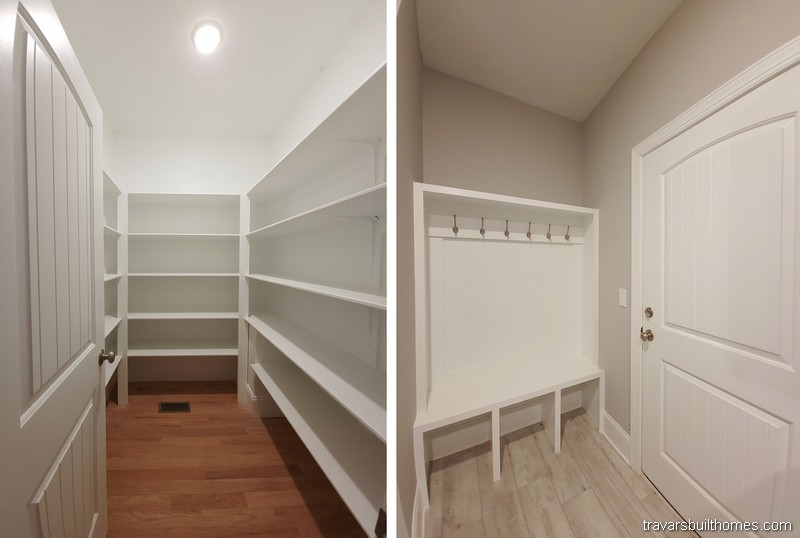
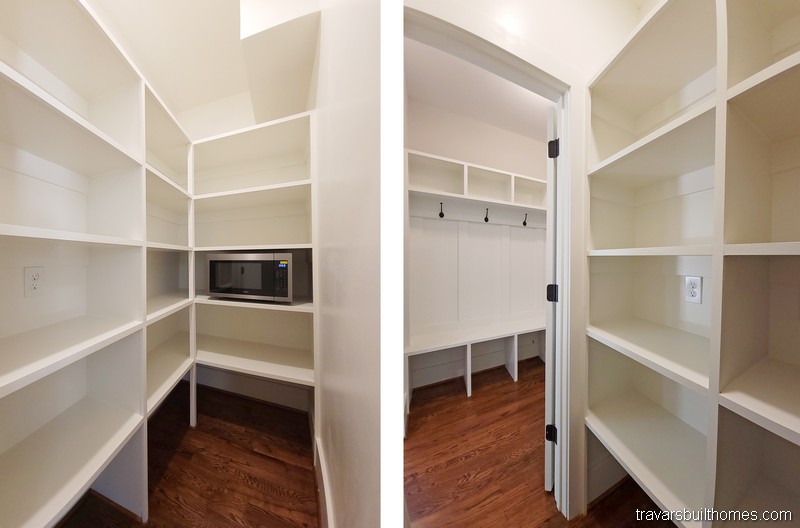
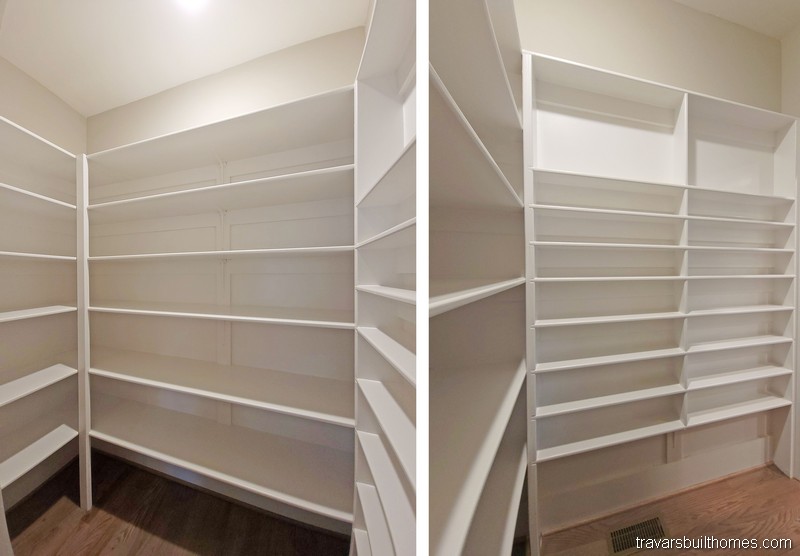
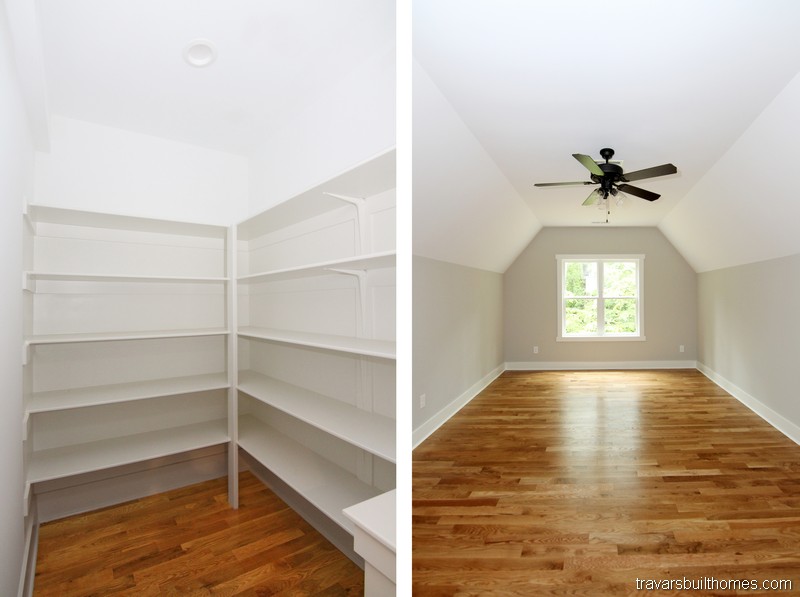
  • Integrated storage solutions, from walk-in pantries to built-in shelving, that support how the space is truly used.
  • Statement lighting and architectural details that anchor the kitchen as a natural focal point within the home.

Explore each kitchen design and let our gallery inspire ideas for a space that works beautifully and lives effortlessly.

Click a photo to enlarge, or click “See Tour” to see the rest of the home.
Have Any Questions? Get in Touch Today!

Build on Your Lot in Eli Whitney, Saxapahaw & Snow Camp

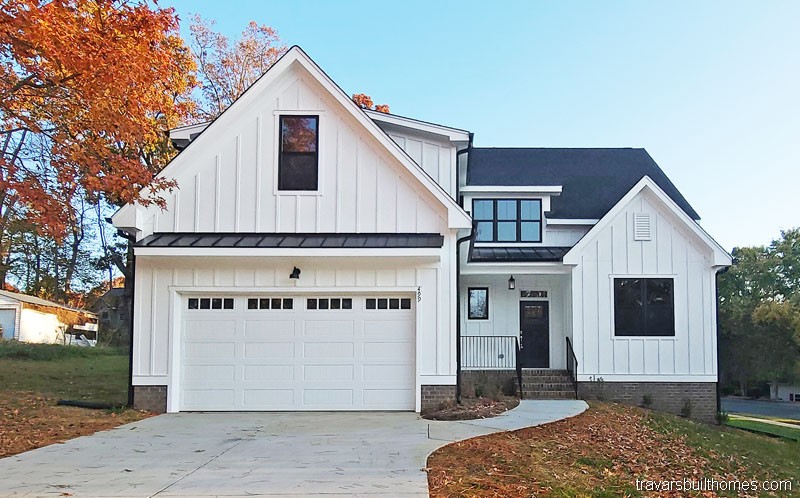
Looking for a custom home builder in Alamance County or along the Haw River? Travars Built Homes builds on your lot with a builder-led, personalized approach designed around your land, your priorities, and how you want to use your property over time.

Whether you’re planning a home near Saxapahaw, in the Eli Whitney area, or around Snow Camp, we help you design a home that fits both the homesite and the way you want to live day to day.

Why Build in Eli Whitney, Saxapahaw & Snow Camp

This part of Alamance County reflects some of the region’s earliest settlement patterns, with roots tied to agriculture and small communities dating back to the 1700s.

Historic sites like the Friends Spring Meeting House trace local history back to around 1761, with the Quaker congregation formally established in 1773. Nearby, Hawfields Presbyterian Church was formed by early settlers in the late 1700s, with the current structure dating to 1852. These early gathering places were closely tied to surrounding farm tracts, many of which established the property lines and land use patterns that still influence the area today.

Over time, many of these original properties have been divided and adapted, but the underlying character of the land, open space, wooded edges, and long-standing boundaries, continues to shape how homesites are used today.

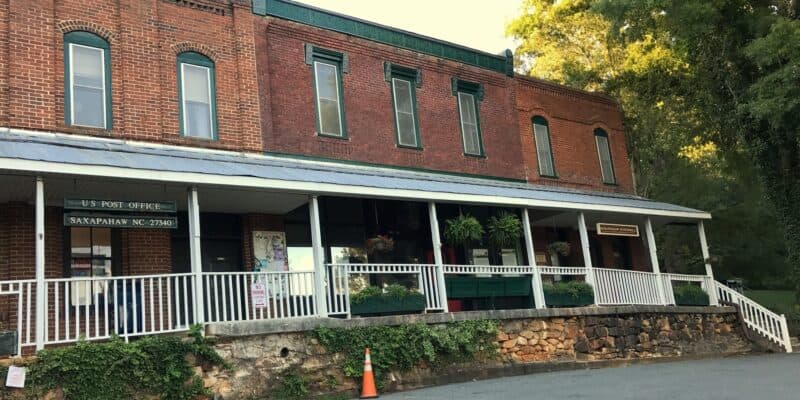
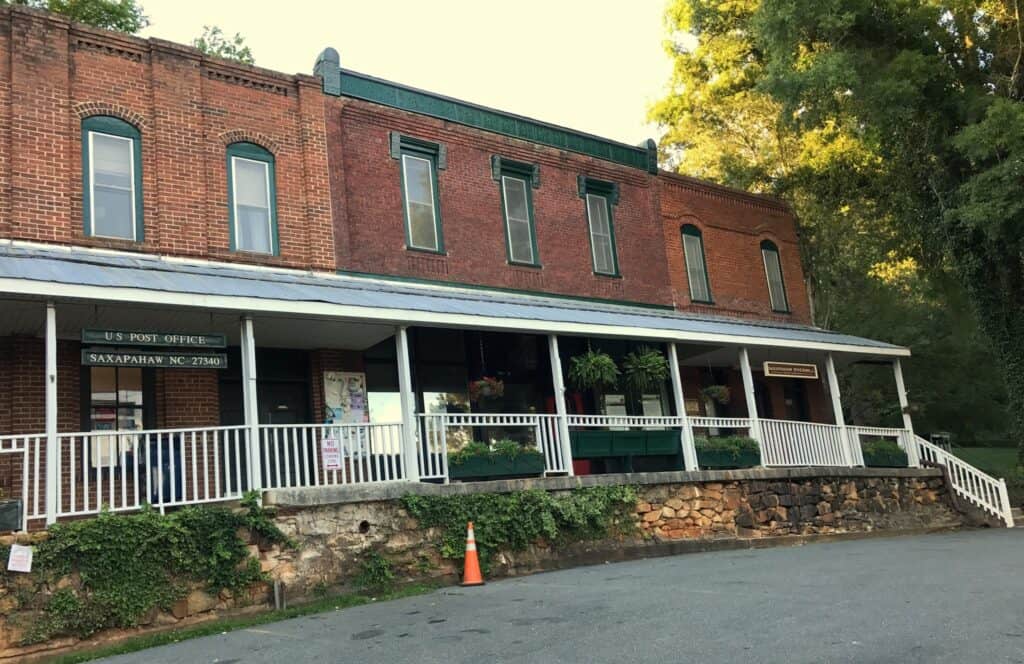
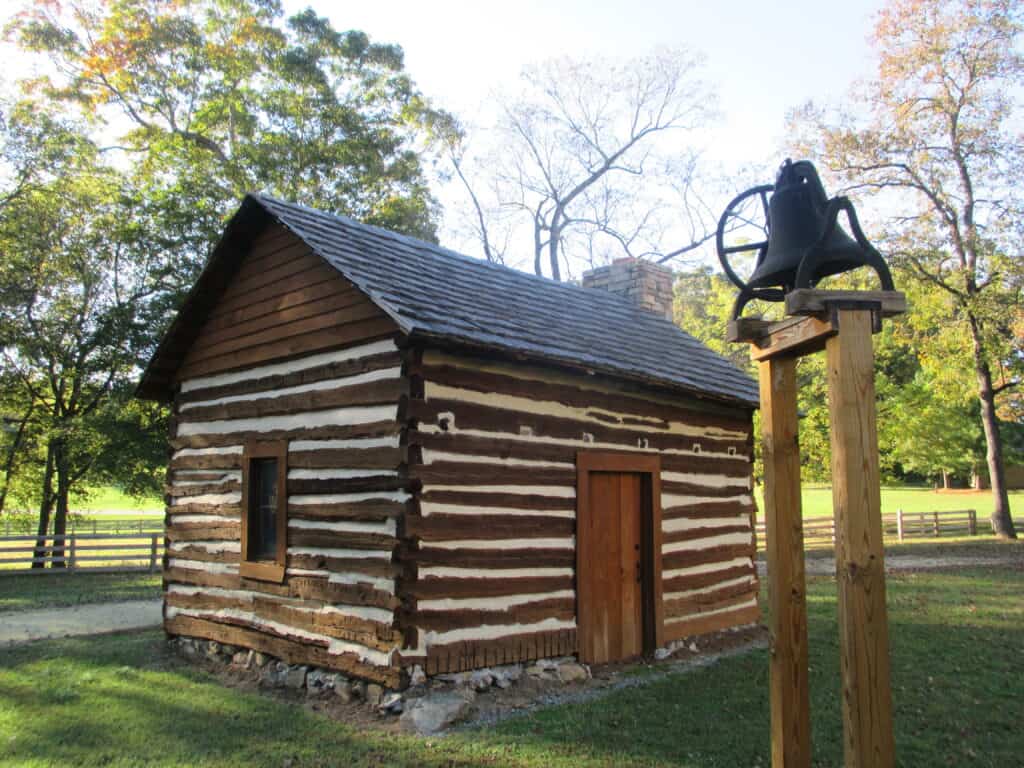
Jordan Drive, Saxapahaw, NC. Photo by Indy beetle, CC BY 0 1.0

What draws many homeowners here:

  • A strong connection to the natural landscape
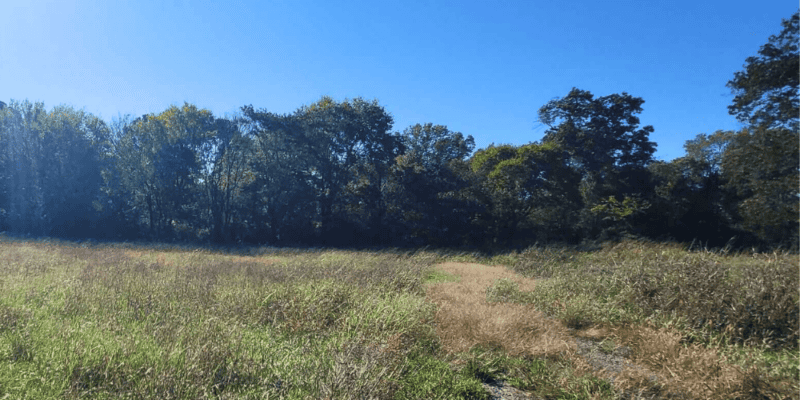
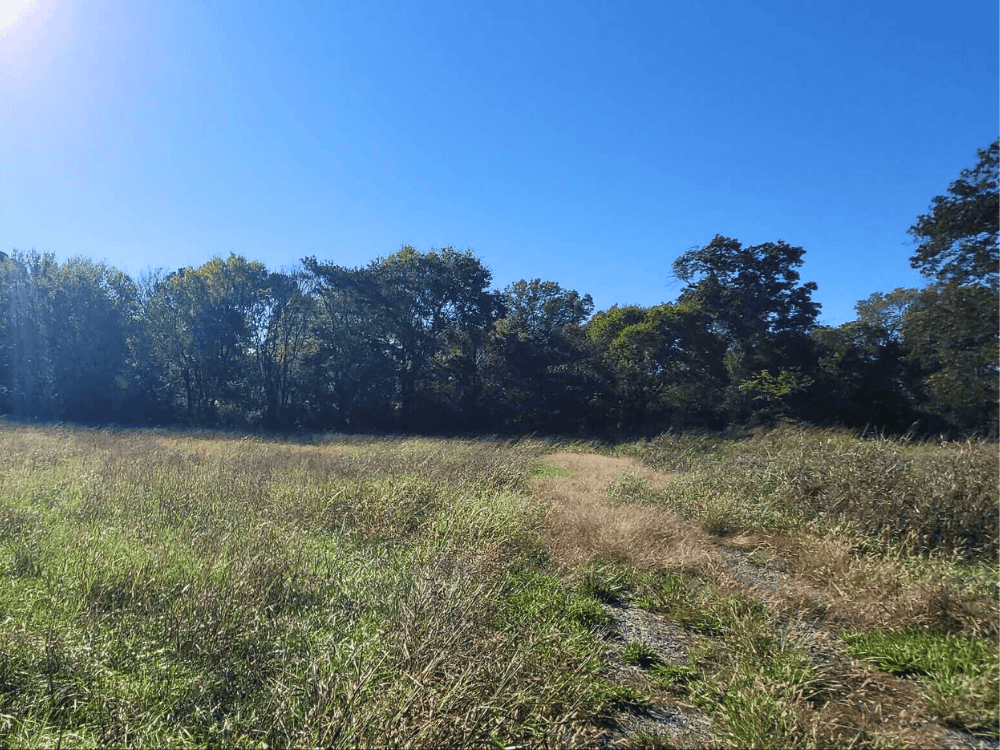
  • A mix of wooded land, open fields, and rolling topography
  • A quieter setting with fewer constraints than more urban areas
  • A sense of place shaped by both history and the land itself

Many homeowners considering this area also explore nearby locations like Pittsboro, Mebane, or Siler City, depending on how they want to balance setting, access, and land availability.

Eli Whitney, Saxapahaw & Snow Camp Areas

Each of these areas offers a slightly different feel.

Saxapahaw:

  • A small riverfront community with a mix of historic and newer spaces
  • Local destinations like the general store and outdoor gathering areas
  • A unique blend of rural setting and community activity

Eli Whitney:

  • A quieter, more rural area along the Haw River
  • Properties shaped by natural features and long-standing land divisions
  • A setting that feels removed while still accessible

Snow Camp:

  • Known for its historical roots and open land
  • A mix of farmland, wooded properties, and established rural homesites
  • A slower pace with strong ties to the area’s early history

Buyers often compare these areas based on how they want to experience the land, whether that’s river proximity, open space, or long-term flexibility.

Recreation & Outdoor Access

This area offers a strong connection to outdoor recreation, particularly through parks, trails, and river access.

Nearby options include:

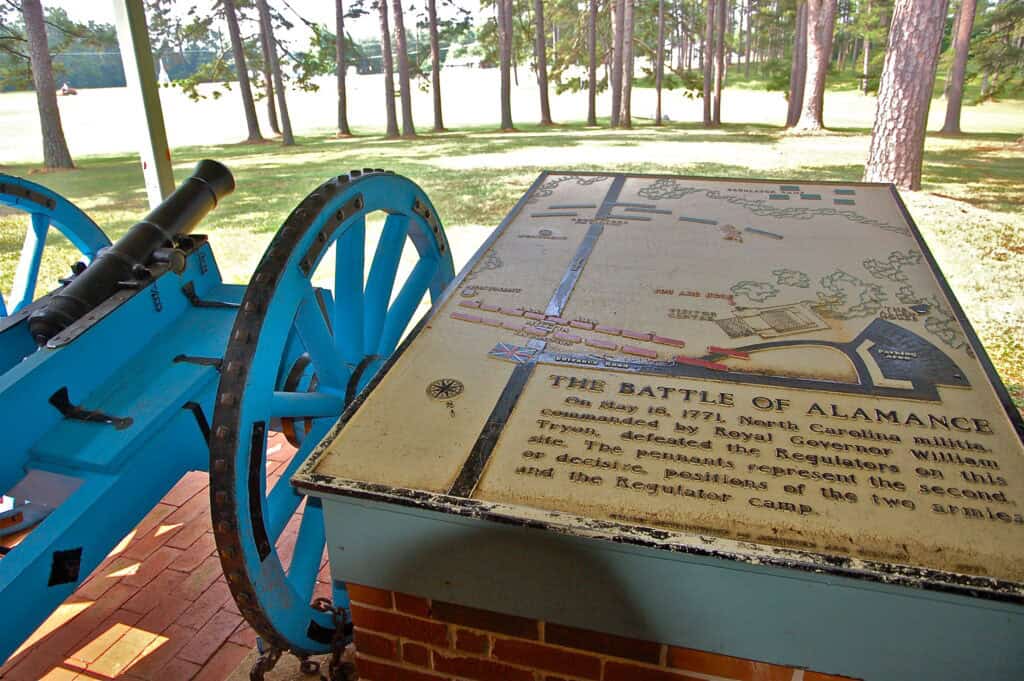
  • Alamance Battleground State Historic Site, with walking trails and preserved historic grounds
  • Cedarock Park, offering trails, disc golf, fishing ponds, and equestrian-friendly areas
  • Cane Creek Mountains Natural Area, with hiking trails and scenic overlooks
  • Saxapahaw Lake Paddle Access, providing direct access to the Haw River for kayaking and paddling
    Portions of the Haw River Trail, connecting outdoor access points along the river corridor

Together, these features create a setting where outdoor access is part of everyday life, whether that’s time on the water, on the trail, or simply enjoying the surrounding landscape.

Land Use & Everyday Living

One of the defining advantages of this area is how the land can be used beyond just the home itself.

Depending on the property, homeowners often plan for:

  • Gardening or expanded outdoor living
  • Keeping chickens, goats, or other small animals
  • Space for horses, with appropriate acreage and layout
  • Small-scale farming or hobby agriculture
  • Workshops, barns, or additional structures

As with any area, specific uses may depend on zoning or deed restrictions, but many properties here offer flexibility that supports a range of uses.

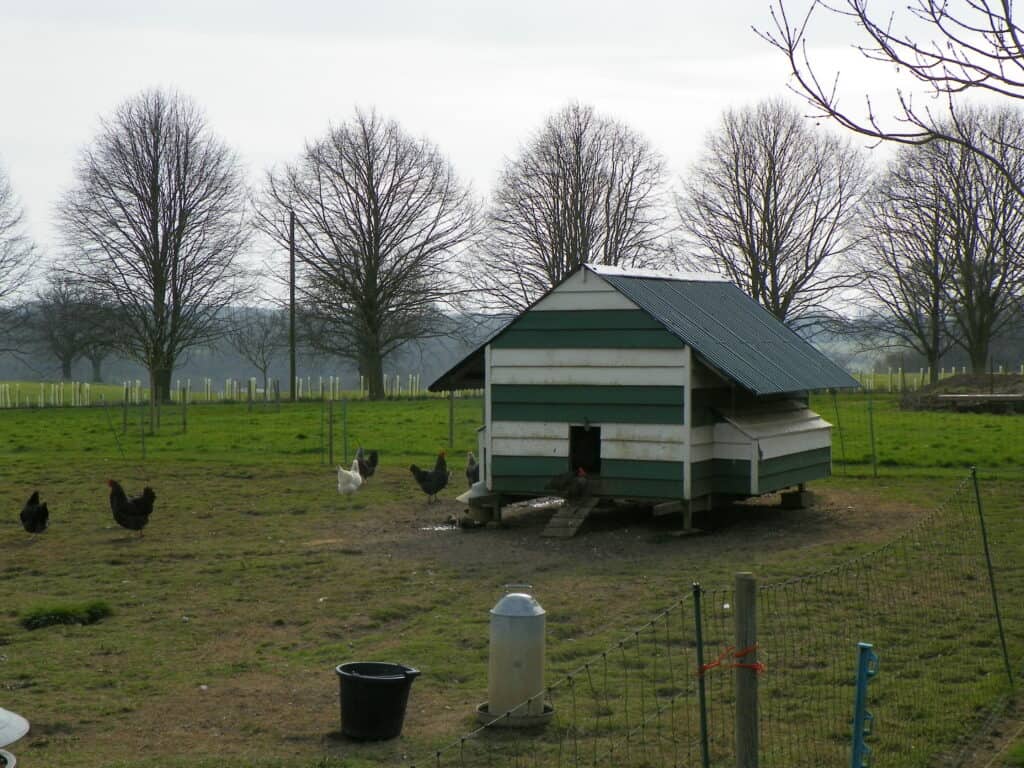
Backyard chicken coop. Photo by Peter O’Connor, CC BY-SA 2.0

Custom Homes Designed for the Property

In this part of Alamance County, the land often sets the direction early.

Homes here are typically planned around:

  • Natural topography and slope
  • Tree coverage and open areas
  • Driveway approach and access
  • Orientation for light and privacy
  • Long-term use of the property

Many homeowners are also thinking ahead, whether that’s additional structures, evolving land use, or building on property that may be subdivided over time.

Floor Plans That Fit Alamance County Living

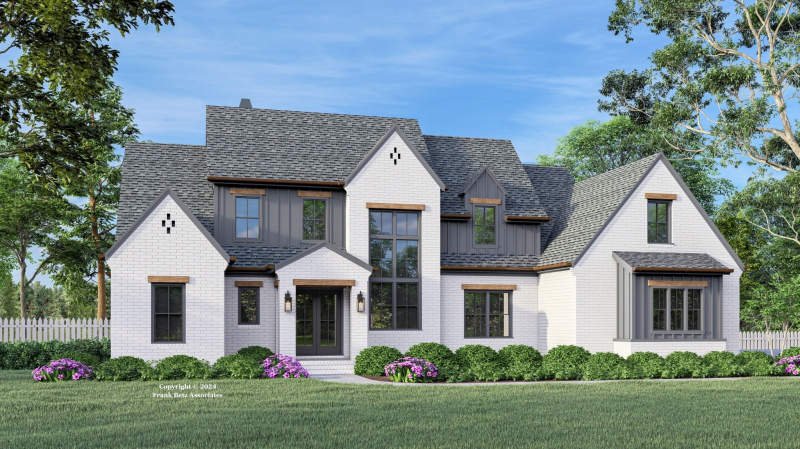
Here are a few examples of plans that align well with what many buyers are looking for in this area:

All floor plans are starting points and can be customized for your lot and your goals.

Building on Your Lot in Alamance County

Building in this area often starts with understanding how the land and home will work together.

We help you evaluate:

  • Where the home should be positioned on the property
  • Driveway length and access points
  • Slope, grading, and drainage
  • Utility considerations (well, septic, etc.)
    How the property may be used over time

In many cases, we’re involved early, helping align the homesite and home design before key decisions are finalized.

Why Choose Travars Built Homes

Travars Built Homes offers a builder-led process with a focus on clarity, communication, and thoughtful design.

  • Builder involvement throughout the process
    Early input on land and homesite planning
  • Flexible plan customization
  • Experience across a wide range of properties
  • Local knowledge across Alamance and surrounding counties

Our goal is to help you build a home that fits both your land and your long-term plans.

Frequently Asked Questions About Building in Eli Whitney, Saxapahaw & Snow Camp

Start the Conversation

If you’re considering building in Eli Whitney, Saxapahaw, or Snow Camp, we’d be glad to talk through your plans and help you take the next step.

Other areas to explore:

Chapel Hill · Hillsborough · Mebane · Pittsboro · Siler City · Durham · Rural Chatham County · Northern Orange County

Building on Your Lot in an Established Neighborhood (Central NC)

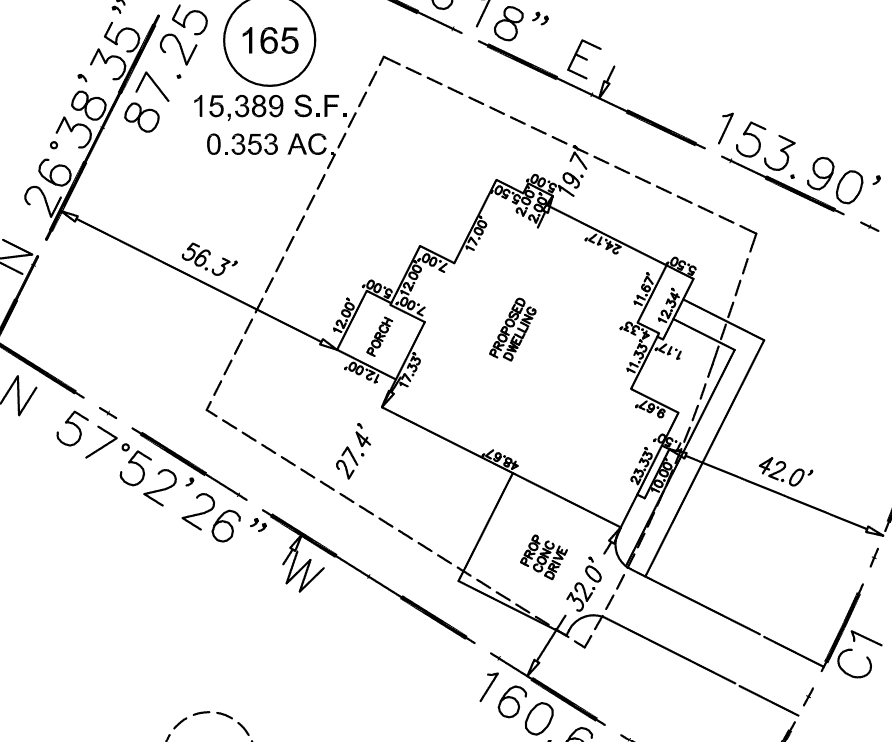
If you already own or are under contract on a lot in a neighborhood, you’re not starting from scratch. You’re starting with a defined homesite that comes with its own parameters.

Across Chatham, Wake, Durham, Orange, and other area counties, we regularly build custom homes on neighborhood and subdivision lots—including golf community homesites, custom builder communities, and remaining lots in established neighborhoods.

These projects move differently than rural builds. With the right guidance early on, they can move more smoothly and efficiently.

What We Typically See on These Lots

Most neighborhood homesites we build on include:

  • Defined lot sizes (often under an acre)
    Existing streets, nearby homes, and additional established setbacks
  • HOA or architectural review requirements
  • A mix of utility setups (public water/sewer, water with septic systems, etc)

In many cases, the major variables are already known, which means the focus shifts to fitting the home well to the lot and navigating requirements upfront.

Where Builder Experience Matters Most

Evaluating the Lot Before You Build

Not every plan works on every homesite.

We help you evaluate:

  • Buildable area based on setbacks
  • Lot width and depth
  • Slope, drainage, and grading approach
  • Driveway access and garage orientation

This helps drive your decisions around floor plan selection in alignment with your budget.

Working Within HOA and Neighborhood Guidelines

Many neighborhood lots include architectural requirements that influence:

  • Exterior materials and finishes
  • Rooflines and elevations
  • Minimum square footage
  • Garage placement

These are best addressed early, before finalizing your floor plan.

Coordinating Utilities and Site Details

Neighborhood lots often feel “ready,” but there are still important details to confirm.

Depending on the property, you may have:

  • Public water and sewer
    Public water with a septic system
  • Well and septic, or community well and community grinder pump sewer.

There can also be:

  • Tap or connection fees
  • Utility locations and tie-in requirements
    Septic placement constraints that affect the home footprint

We help sort through these early so everything aligns better before construction begins.

Fitting the Right Home to the Lot

On a neighborhood homesite, the plan matters more than ever.

We guide clients toward:

  • Plans that fit within setbacks and lot dimensions
  • Layouts that make the most of available space
  • Garage configurations that work with the site
  • Designs that feel intentional within the neighborhood

FAQs About Building on Your Lot in an Established Neighborhood

Start the Conversation

If you already have a homesite in a neighborhood, or are preparing to close on one, we’re happy to walk through it with you and help you understand next steps.

Travars Built Homes builds across Chatham, Alamance, Durham, and Northern and Southern Orange, Wake, and other surrounding counties.

Where We Build On Your Lot

Travars Built Homes builds custom homes on your lot across Central North Carolina, including Chatham, Durham, Orange, Wake, and Alamance counties. Whether you’re planning to build in Pittsboro, Chapel Hill, Hillsborough, Apex, or surrounding areas, we guide you through the process of turning your land into a finished home that fits how you want to live—with local experience in each of the areas below.

Whether you’re building on open land, a homesite just outside town, or property that’s being subdivided, our builder-led approach is designed to help you create a home that fits both your land and your lifestyle.

Chapel Hill & Orange County

Chapel Hill & Southern Orange County
Custom homes just outside town, including areas like White Cross, Jones Ferry Road, and toward the Haw River.

See more about building on your lot in Chapel Hill.

Cedar Grove, Caldwell & Northern Orange County
Areas just north of Chapel Hill offer a mix of privacy, acreage, and proximity to town—often with more flexibility.

See more about building on your lot in Cedar Grove, Caldwell, and Northern Orange County.

Hillsborough & Efland
Historic character, Riverwalk access, and homesites with more space in areas like Efland and Wilkerson Acres.

See more about building on your lot in Hillsborough.

Durham & Northern Triangle

Durham County
From infill opportunities to more private homesites in areas like Bahama, Rougemont, and Treyburn, Durham offers a wide range of settings for custom homes.

See more about building on your lot in Durham.

Lee County

Sanford & Deep River Area
An emerging area with accessible land, growing interest, and proximity to both Chatham County and the Triangle.

Chatham County & Jordan Lake Area

Pittsboro & Jordan Lake
A central hub for custom homes with strong growth, access to Jordan Lake, and a range of homesite options.

See more about building on your lot in Pittsboro.

Siler City, Silk Hope, & Crutchfield Crossroads
Rural settings with open land generally have a lower cost than Pittsboro, offering flexibility and long-term potential.

See more about building on your lot in Siler City.

Bonlee, Goldston, & Bear Creek
Quiet, low-density areas with room to spread out and opportunities for more intentional site planning.

See More about building on your lot in Bonlee, Goldston, and Bear Creek.

New Hill, Moncure, Apex, & Western Chatham
Areas connecting Chatham and Wake counties, offering a balance of accessibility and flexibility depending on location.

Wake County

Southern Wake County (New Hill, Apex & Fuquay-Varina)
Areas along the Wake–Chatham line offer a mix of accessibility and land opportunities, particularly around New Hill and toward Apex and Fuquay-Varina. These locations provide a balance between proximity to Raleigh and the flexibility of building on your own land.

Alamance County & Western Areas

Mebane
A growing area between the Triangle and Triad, with a mix of in-town lots, open land, and homesites just outside town.

See more about building on your lot in Mebane.

Eli Whitney, Saxapahaw & Snow Camp
Rural communities with strong character, a connection to the Haw River, and homesites shaped by the surrounding landscape.

See more about building on your lot in Eli Whitney, Saxapahaw, and Snow Camp.

Building Across Central North Carolina

Travars Built Homes builds across Chatham, Alamance, Durham, Orange, Wake, and other surrounding counties.

The areas highlighted above represent where we build most often, based on land availability, project fit, and where many homeowners are choosing to build today.

If you have land—or are considering land—in a nearby area, we’re always glad to talk through the opportunity and help you evaluate next steps.

Building on Your Lot—Wherever You Are

In many cases, the right homesite isn’t tied to a specific city—it’s about finding land that fits your goals.

We regularly build on:

  • Rural and acreage properties
  • Homesites just outside town limits
  • Land that is being subdivided for a new home
  • Lots within established communities

Each homesite is different, and our process is designed to help you evaluate both the land and the home together from the beginning.

Start the Conversation

If you’re considering building anywhere in Central North Carolina, we’d be glad to talk through your location, your land, and your next steps.

Building on Family Land in Central North Carolina

Building on family land is one of the most meaningful ways to create a home, combining a new space with a property that already has history, familiarity, and long-term value.

At Travars Built Homes, we regularly work with homeowners planning to build on land owned by parents, relatives, or long-held property. In many cases, that means creating a new homesite through subdivision before construction even begins.

Our role often starts earlier than most people expect, helping you think through how the land and the home should work together from the beginning.

What Does It Mean to Build on Family Land?

Building on family land typically involves using an existing parcel to create a new homesite.

That may include:

  • Dividing a larger property into one or more lots
  • Placing a home on a portion of land while retaining the remainder
  • Planning multiple homes over time on the same property

Each situation is different, but in most cases, the success of the project depends on decisions made before final plats are completed.

Planning Before the Land Is Divided

One of the most common challenges with family land is that subdivision decisions are made without fully considering the home that will eventually be built.

In practice, it’s often helpful to have a tentative floor plan much earlier in the process. The layout and footprint of the home influence how the land should be divided, affecting everything from driveway placement to usable yard space.

We often step in early to help evaluate:

  • Driveway placement and access from the road
  • Topography and slope (how the home will sit on the land)
  • Drainage and water flow across the property
  • Septic and well locations, where applicable
  • Orientation for natural light and outdoor living
  • How the home footprint fits within each proposed homesite

By thinking through both the land and the home together, the final layout is more intentional and avoids constraints later.

Designing the Home Alongside the Land

Rather than waiting until after subdivision is complete, we often begin with a working floor plan early in the process.

This doesn’t lock anything in, but it provides a practical framework for:

  • Understanding how much space the home needs
  • Positioning the home correctly on the lot
  • Planning outdoor living areas
  • Allowing for driveways, grading, and utilities
  • Preserving flexibility for future use of the property

As the land plan and home plan evolve together, both become better aligned and the end result feels more intentional.

Why Early Builder Involvement Matters

By the time a plat is finalized, many key decisions are already locked in.

That’s why we often work with homeowners before subdivision is complete, helping align:

  • The land layout
  • The homesite location
  • The home footprint and layout

This approach helps avoid common issues like:

  • Driveways that don’t align well with the home
  • Limited buildable area due to setbacks or slope
  • Missed opportunities for better orientation or privacy

It also leads to a home that feels like it belongs on the land.

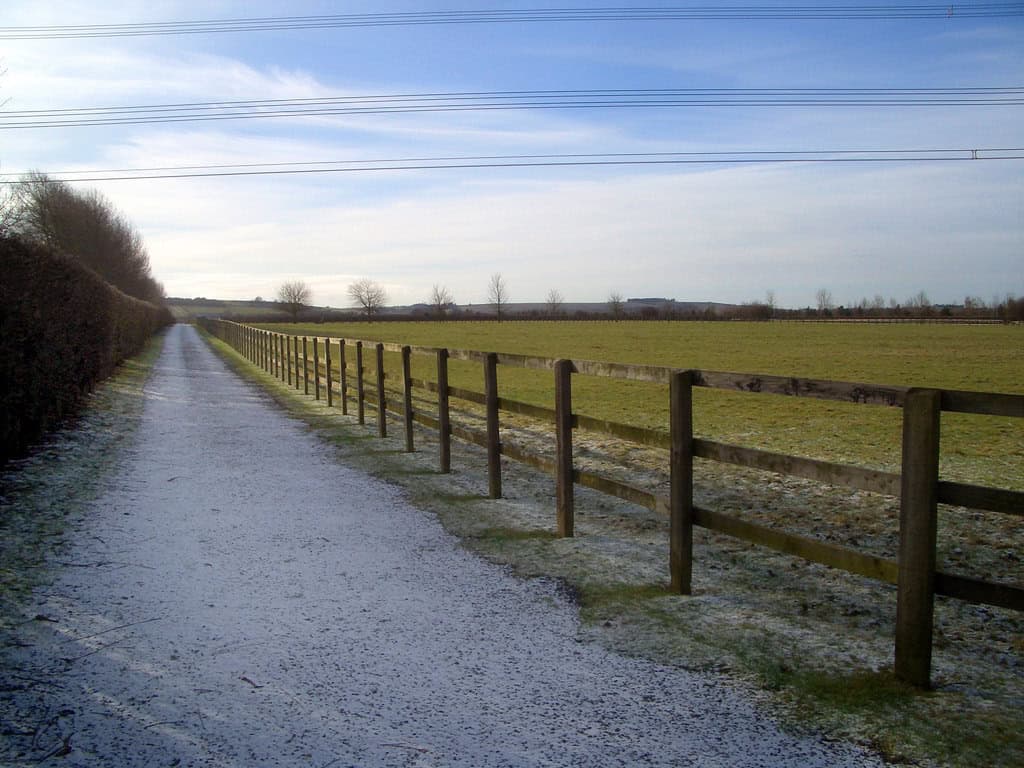
Field and Fence. Photo by Des Blenkinsopp, CC BY-SA 2.0

Common Situations We See

Building on family land can take many forms. Some of the most common include:

  • Creating a new homesite on a larger property
  • Dividing land for multiple future homes
  • Building near an existing home while maintaining separation
  • Planning a long-term layout for how the property may change over time

Each of these requires slightly different considerations, but the process always starts with understanding the land first.

What to Consider Before You Start

If you’re planning to build on family land, it’s helpful to think through a few key questions early:

  • How will the property be divided?
  • Where should the home be located on the land?
  • What access points make the most sense?
  • Are utilities already available, or will they need to be added?
  • How might the property be used in the future?

Answering these questions early can save time, reduce redesign, and lead to a better overall result.

Build On Your Lot NC | How to Build a New Home

Our Approach

Travars Built Homes offers a builder-led process designed to guide you through both the land and the home.

  • Early input before subdivision is finalized
  • Practical guidance on site planning and layout
  • Working floor plans used to inform land decisions
  • Flexible plan customization
  • Clear communication throughout the process

Our goal is to help you make informed decisions early so the home, the land, and the overall plan all work together.

FAQs About Building on Family Land

Start the Conversation

If you’re considering building on family land, we’d be glad to walk through the property with you and help you think through the next steps.

Build on Your Lot in Durham, NC

Looking for a custom home builder in Durham, NC? Travars Built Homes builds on your lot with a builder-led, personalized approach designed around your land, your lifestyle, and your priorities.

Whether you’re building on an infill lot closer to downtown, a homesite in an established community, or acreage in areas like Bahama or Rougemont, we help you create a home that fits the way you want to live: right here in Durham.

Why Build in Durham, NC

Durham offers a unique combination of location, energy, and flexibility.

As part of the Research Triangle, Durham sits between Raleigh and Chapel Hill and is anchored by major employers, universities, and healthcare institutions.

What makes Durham especially compelling for custom homebuilding is the range of living environments available within one area:

  • Established neighborhoods near downtown
  • Infill opportunities in growing areas
  • Planned communities with larger homesites
  • Rural northern areas with acreage and privacy

That variety makes Durham one of the few places where you can truly match your home to both your lifestyle and your land.

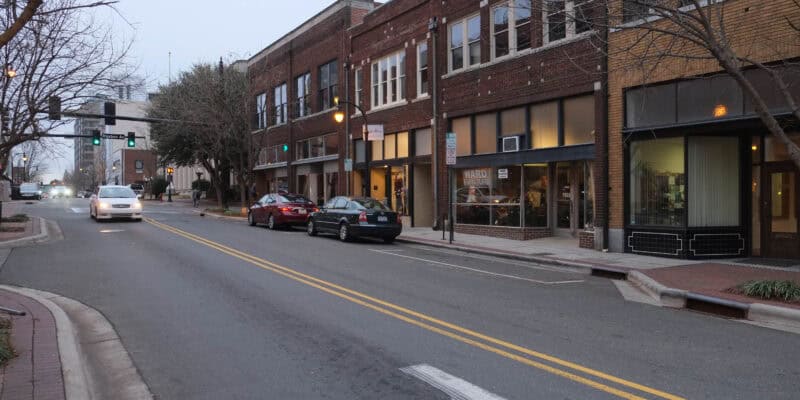
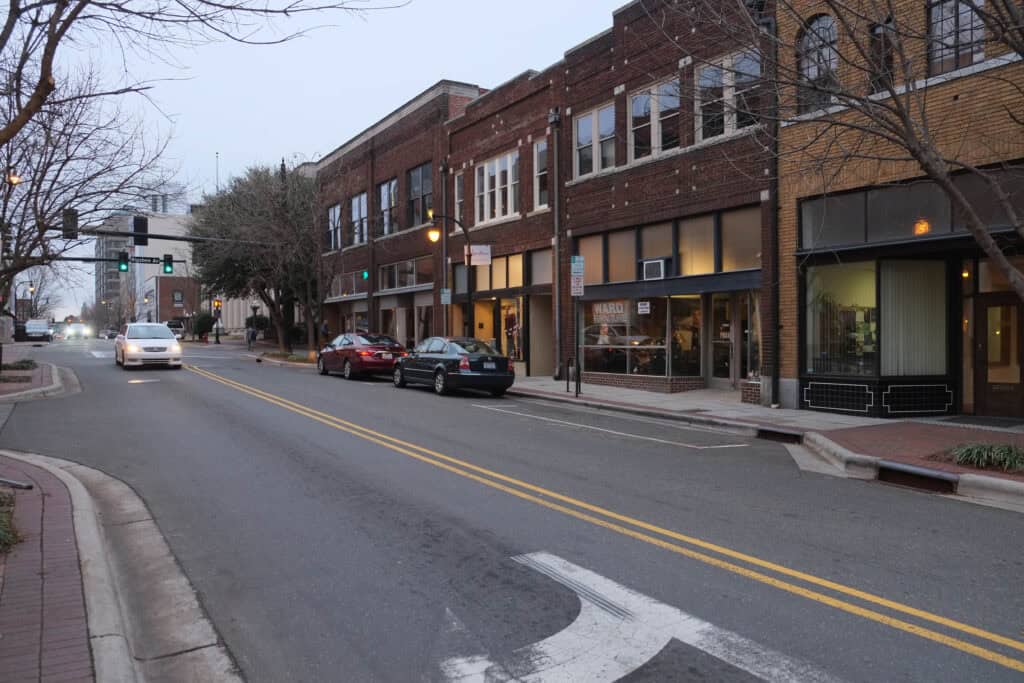
Downtown Durham, NC. Photo by Paul Sableman, CC BY 2.0

Durham, Bahama, Rougemont & Treyburn Living

Durham isn’t one single type of place; that’s what makes it work so well for custom homes.

Central and South Durham (Infill & Established Areas):

  • Opportunities for infill lots
  • Closer access to downtown, Duke, and RTP
  • More compact homesites with strong location value

North Durham – Bahama & Rougemont:

  • Larger homesites and acreage
  • Rural setting with privacy and space
  • Flexible home placement and fewer constraints

Bahama, North Carolina is an unincorporated community in northern Durham County with roots dating back to the late 1700s, while Rougemont, North Carolina offers a quiet, low-density setting spanning Durham and Person counties.

Treyburn Area (Large Lot Community Setting):

  • Established community with generous homesites
  • Golf course setting and natural surroundings
  • Convenient access to I-85 and regional travel

Treyburn is known for its combination of larger homes, green space, and a residential setting that balances privacy with accessibility.

This range, from infill to acreage, is exactly why custom building is such a strong fit in Durham.

The Durham Lifestyle

Durham offers a different pace depending on where you choose to live.

Closer to downtown, you’ll find a more active, connected environment with restaurants, culture, and proximity to major employers. Move north, and the landscape opens up into rolling land, trees, and quieter surroundings.

The Eno River runs through northern Durham, shaping much of the area’s natural character, while the city itself sits within the broader Piedmont region with a mix of gentle hills and wooded areas.

For many homeowners, Durham provides a balance that’s hard to replicate: access to opportunity, with the ability to step back into space and privacy at home.

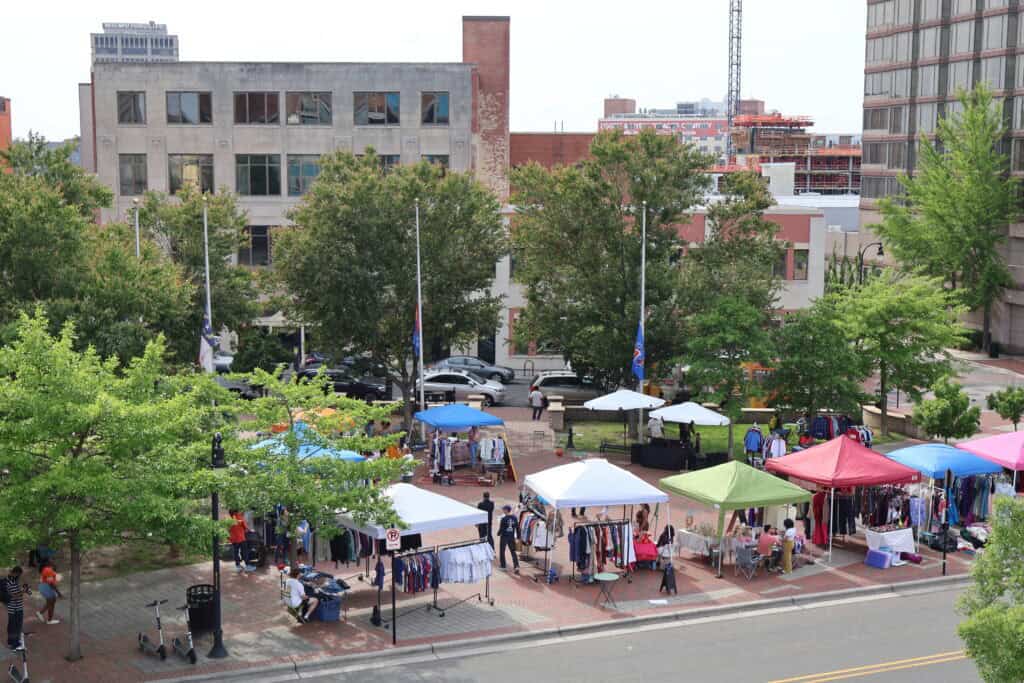
Craft Market on Corcoran Street in Durham, NC. Photo by DiscoA340, CC BY-SA 4.0

Custom Homes Designed Around You

At Travars Built Homes, we don’t start with a fixed formula. We build on your lot and help you evaluate floor plans based on how you want your home to live.

In Durham, that often means designing for a wide range of homesite types, from tighter infill lots to expansive rural acreage.

Every plan can be tailored, so your home fits both your property and your day-to-day life.

Floor Plans That Fit Durham Living

Here are a few examples of plans that align well with what many buyers are looking for in this area:

All floor plans are starting points and can be customized for your lot and your goals.

Building on Your Lot in Durham

Building in Durham starts with understanding the type of homesite you’re working with.

  • Infill lots require careful planning around setbacks, layout, and space efficiency
  • Community homesites may include design guidelines or HOA considerations
  • Rural land introduces factors like septic, well, grading, and long driveways

Each scenario is different, which is why our process starts with a conversation.

We help you evaluate your lot, identify the right plan approach, and make smart decisions early, before construction begins.

Overgrown Rail Line, Corporation Street, Old North Durham, Durham, NC. Photo by Warren LeMay, CC by 0 1.0

Why Choose Travars Built Homes

Travars Built Homes offers a builder-led process with a focus on clarity, communication, and customization.

  • Builder involvement throughout the process
  • Transparent expectations and guidance
  • Flexible plan customization
  • Experience across infill, community, and rural homesites
  • Local knowledge of Durham and surrounding counties

Our goal is simple: to help you build a home that fits your land and the way you want to live.

FAQs About Building in Durham, NC

Start the Conversation

If you’re considering building in Durham, whether on an infill lot, in a community like Treyburn, or on land in Bahama or Rougemont, we’d be glad to talk through your plans.

Other areas to explore:

Chapel Hill · Hillsborough · Mebane · Pittsboro · Siler City · Southern Alamance · Rural Chatham County · Northern Orange County

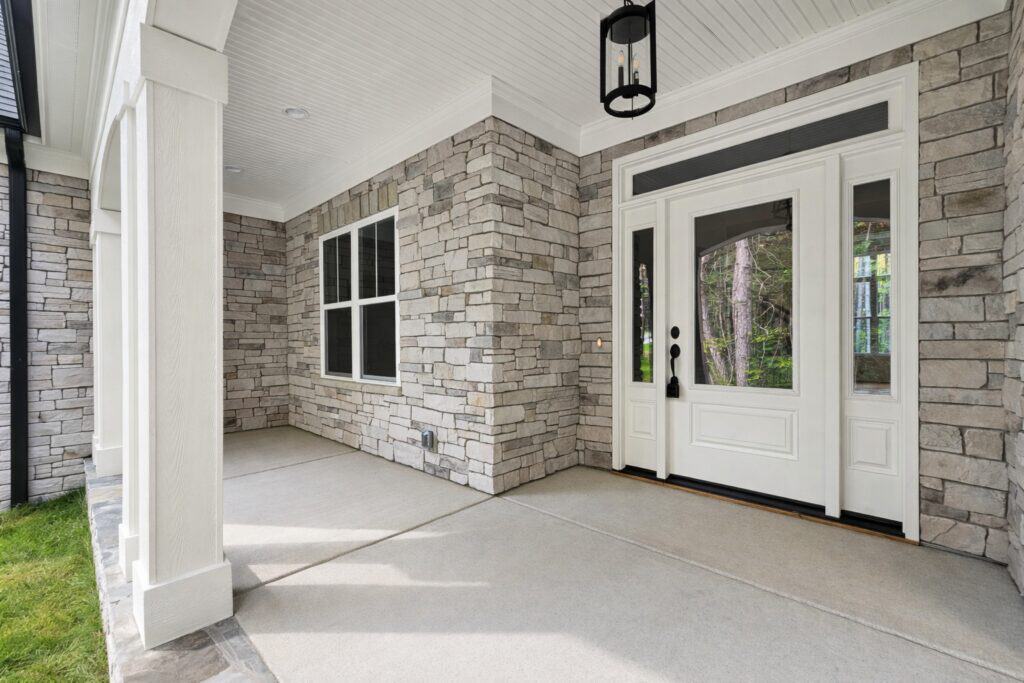
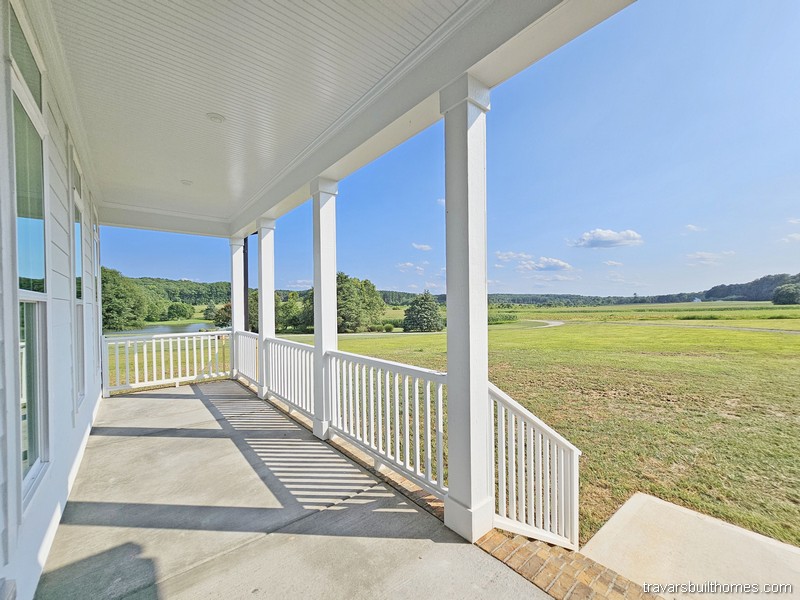
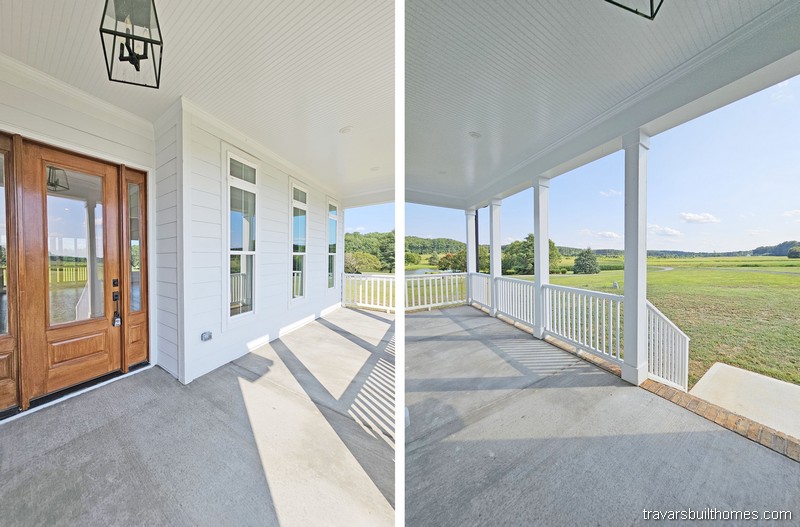
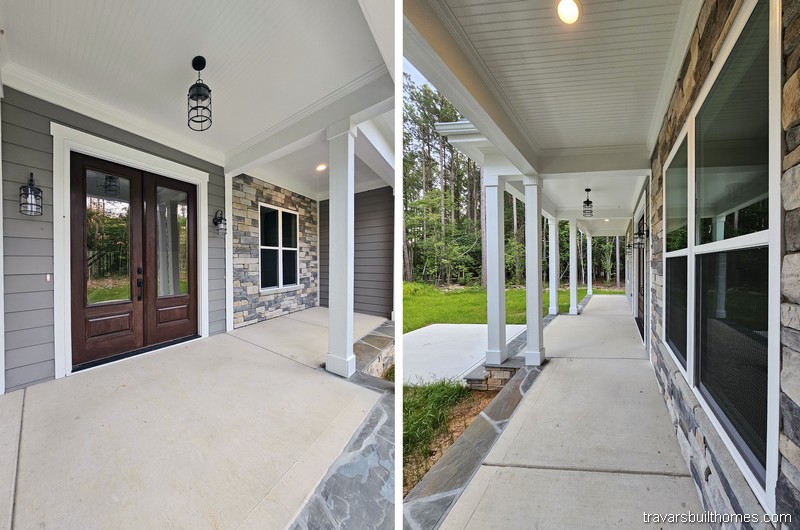
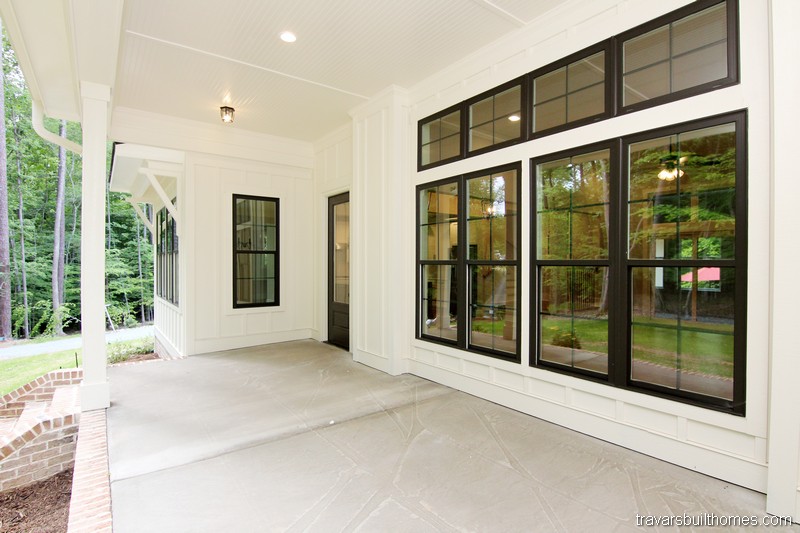
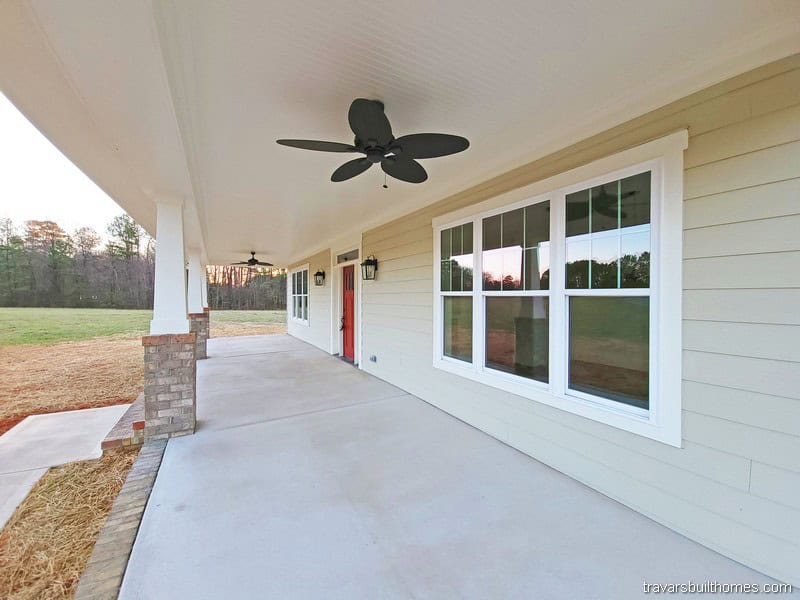
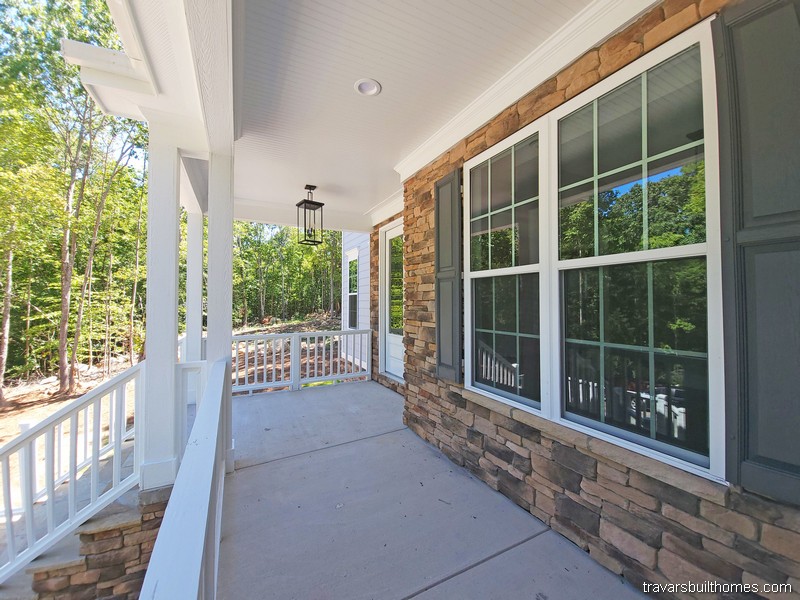
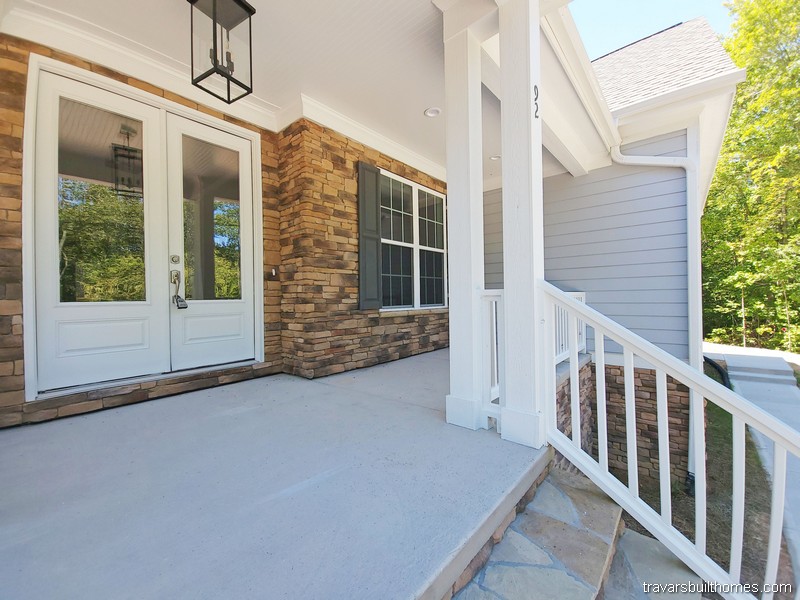
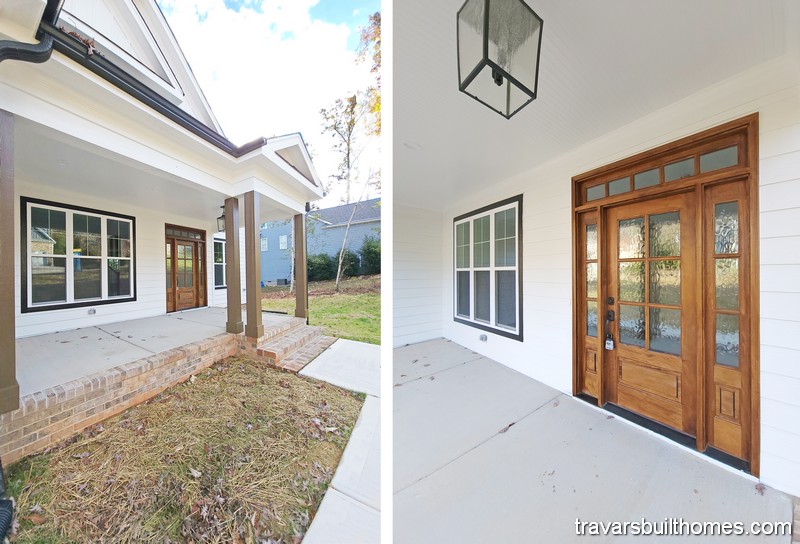
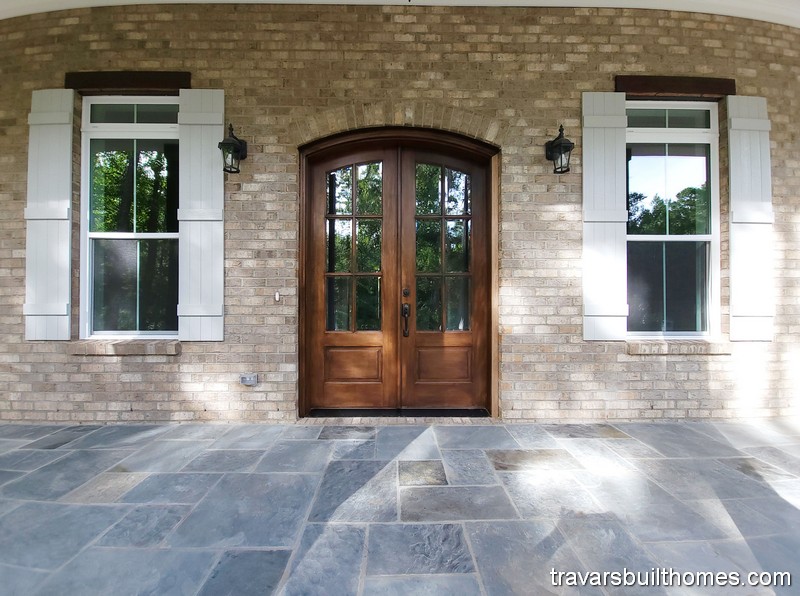
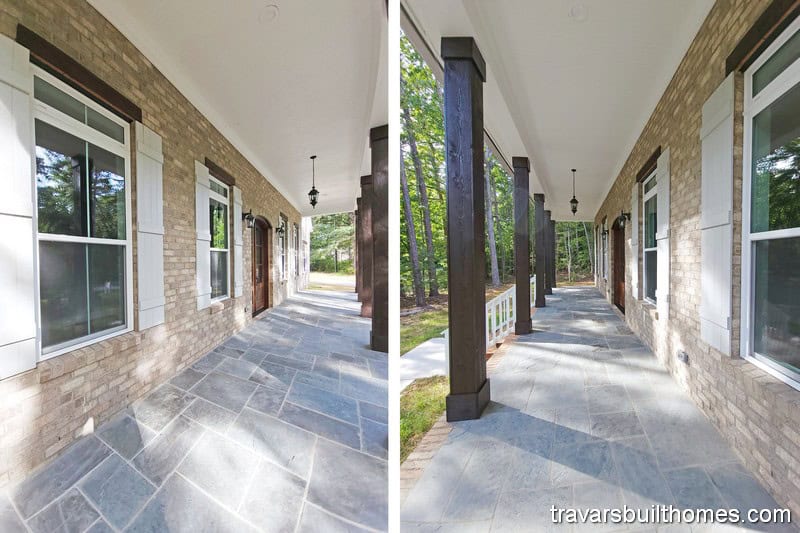
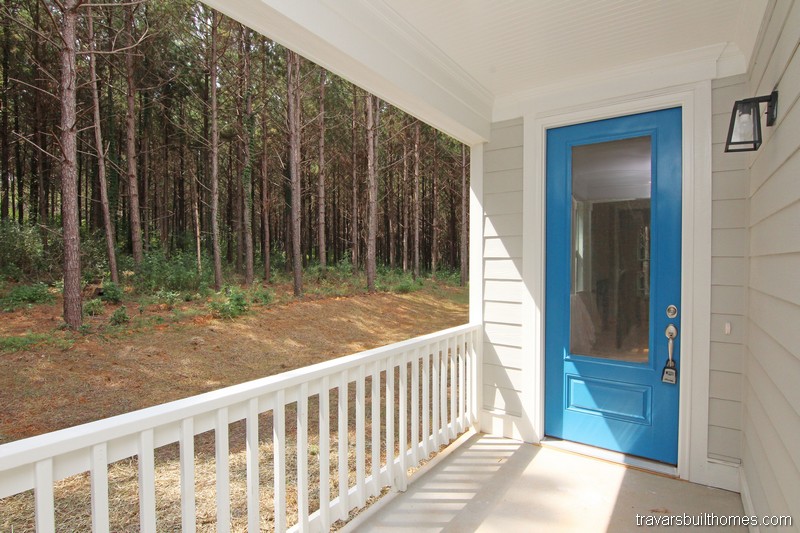
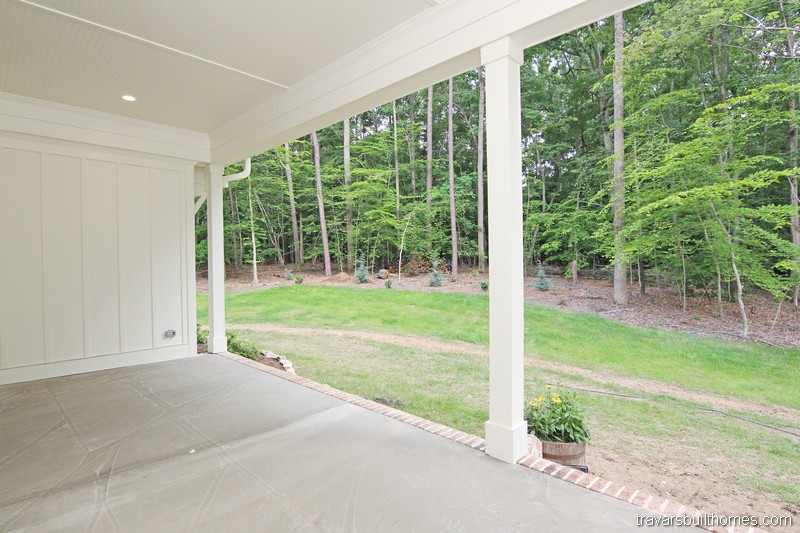
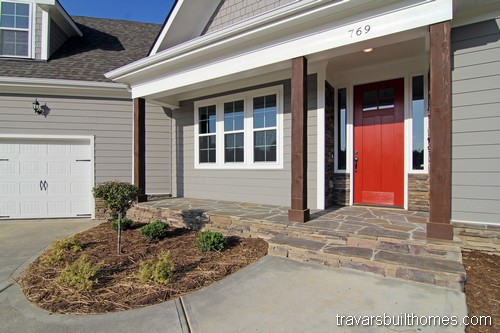
Homey Front Porches

These inviting front porches are designed to enhance everyday living and create a warm connection between the home and the outdoors, featuring:

  • Covered porches that offer shade, comfort, and year-round enjoyment
  • Spacious layouts suited for seating, casual conversations, or quiet moments
  • Thoughtfully detailed designs that add character while supporting daily use
  • Flexible porch spaces that adapt to relaxing, entertaining, or simply watching the world go by

Explore these front porch ideas to find inspiration for welcoming, well-designed spaces that elevate curb appeal while supporting everyday life and moments of rest.

Click a photo to enlarge, or click “See Tour” to see the rest of the home.
Have Any Questions? Get in Touch Today!

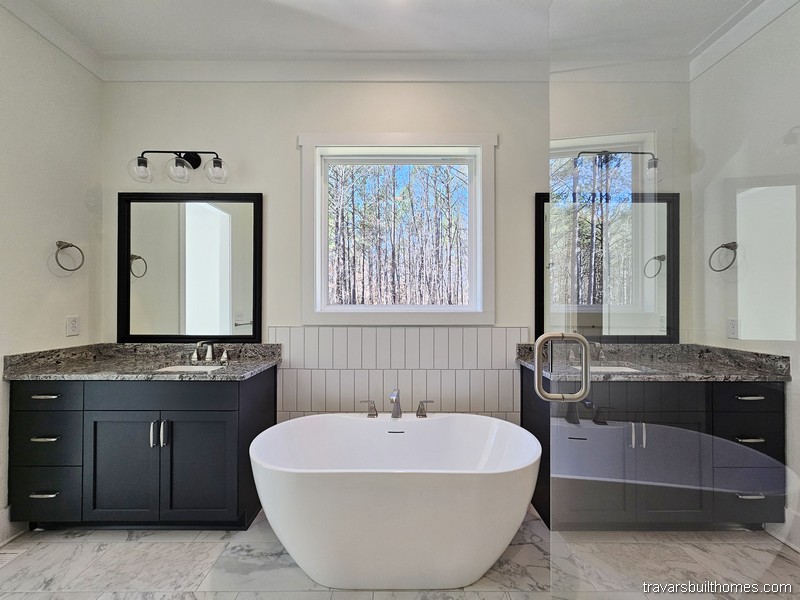
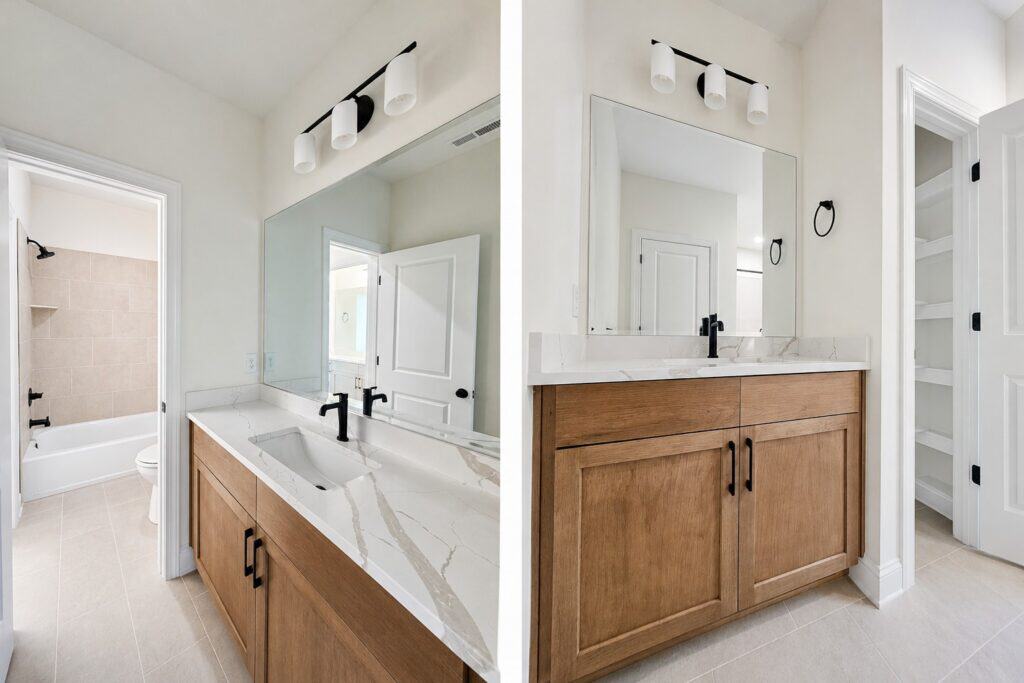
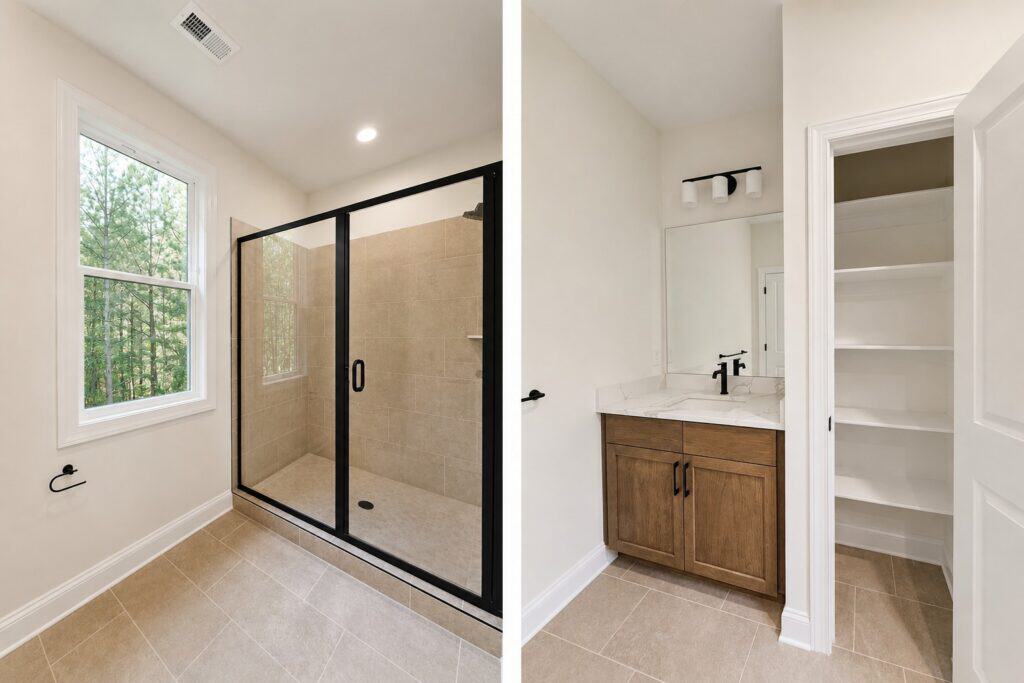
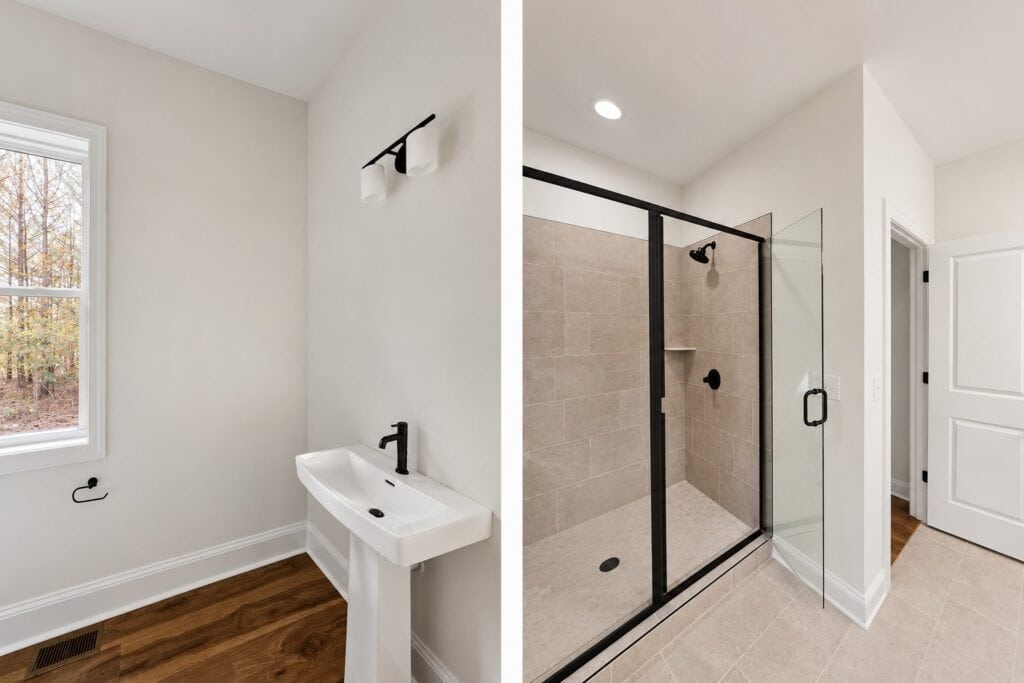
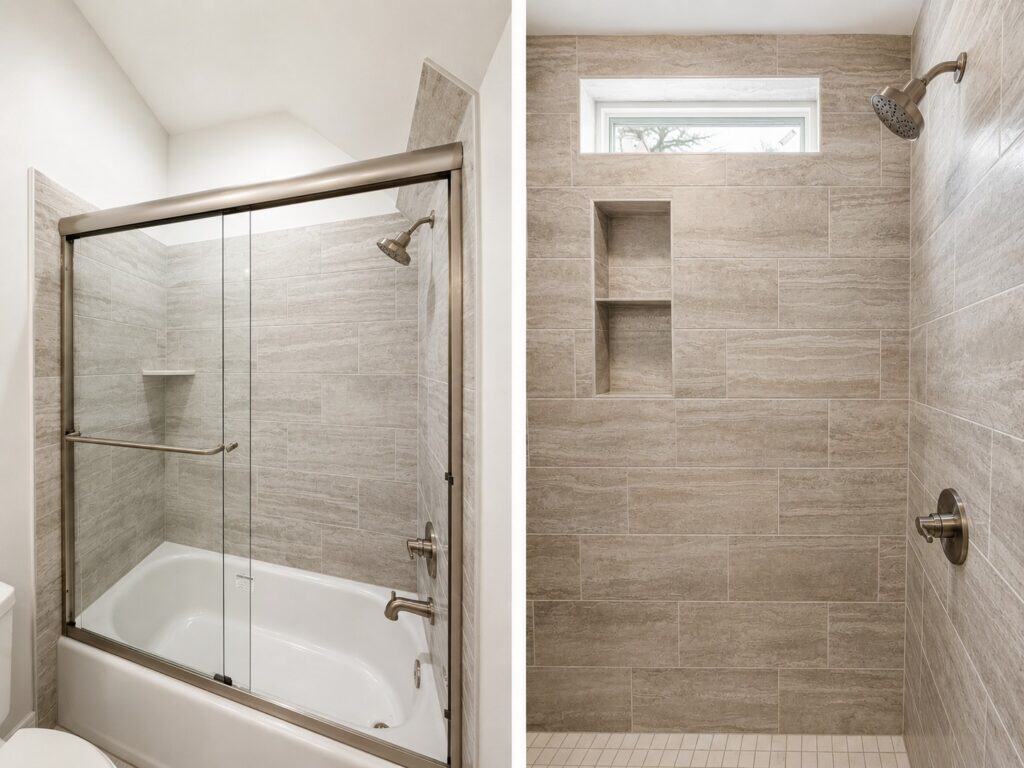
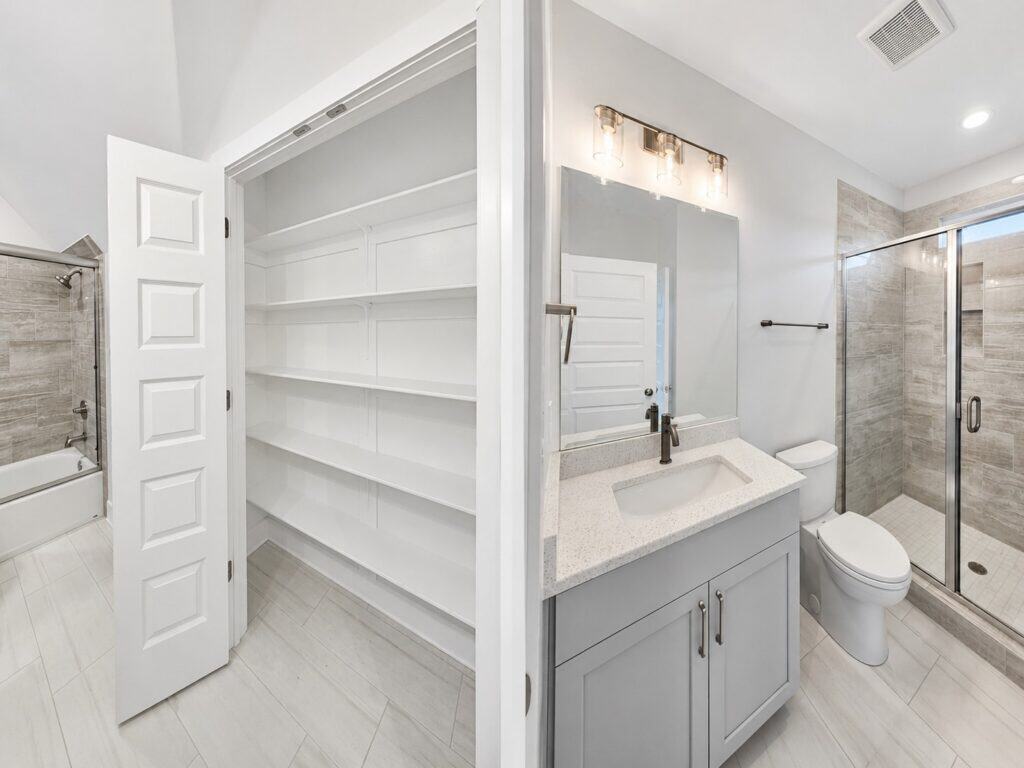
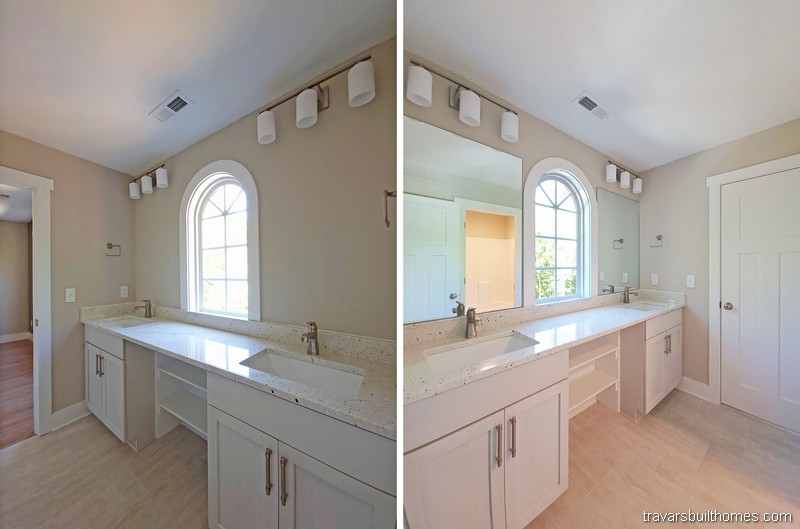
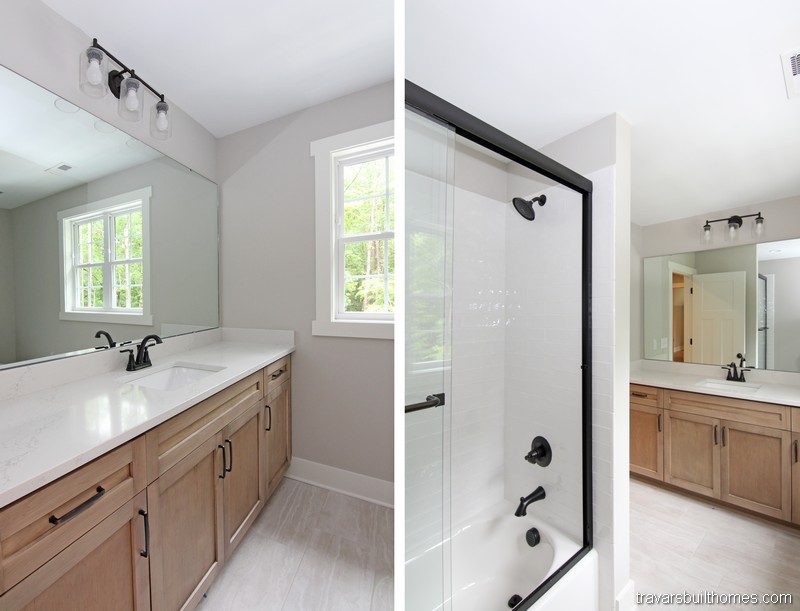
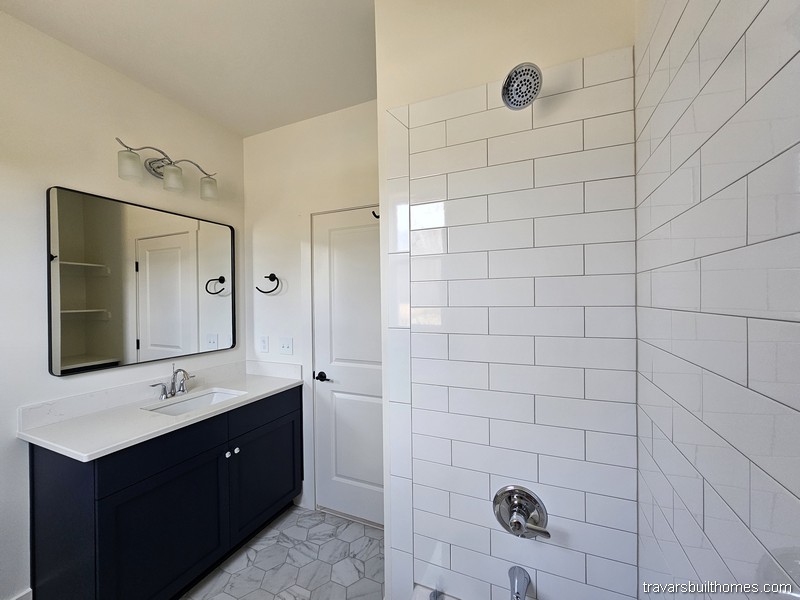
Elegant Secondary Baths

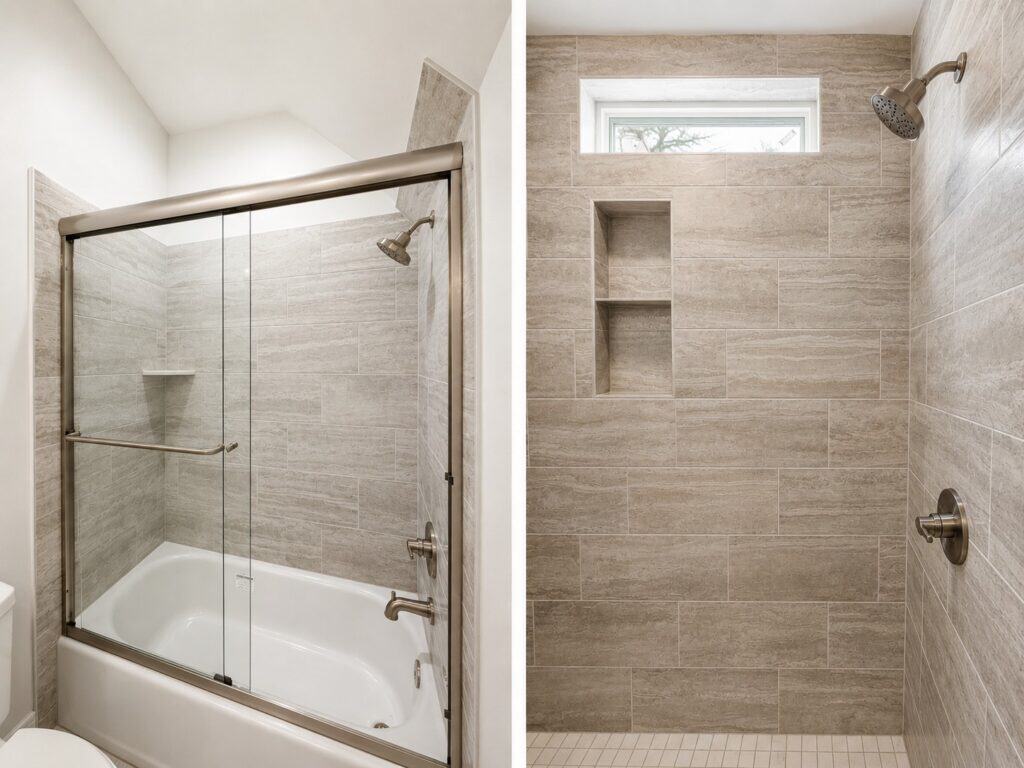
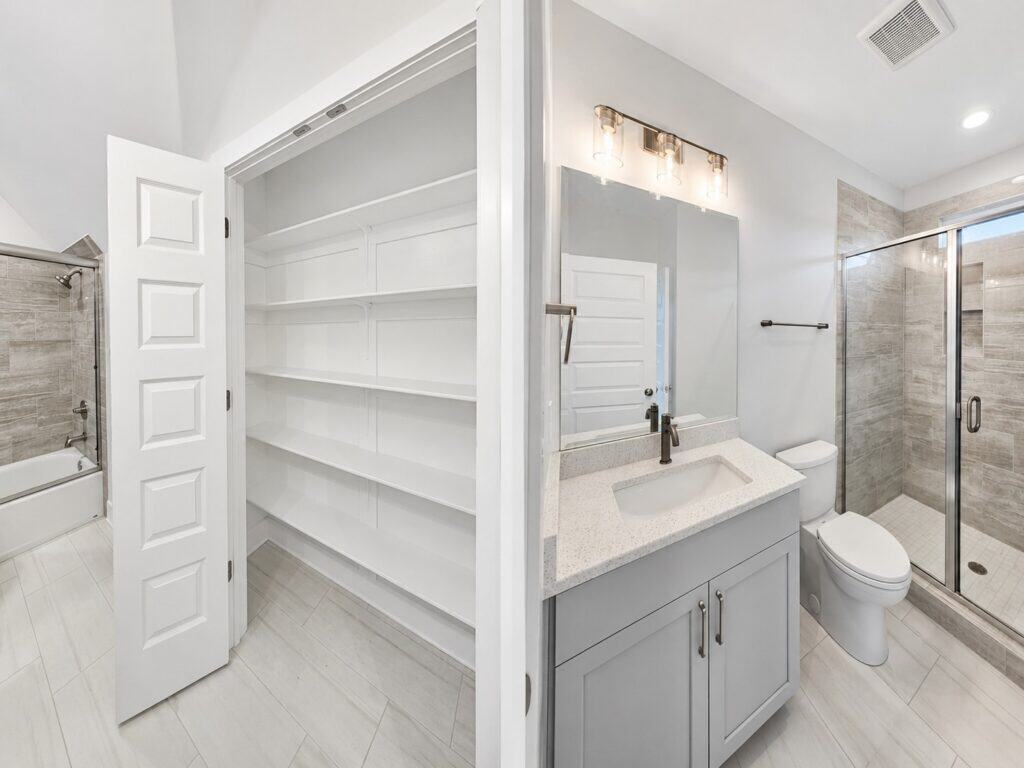
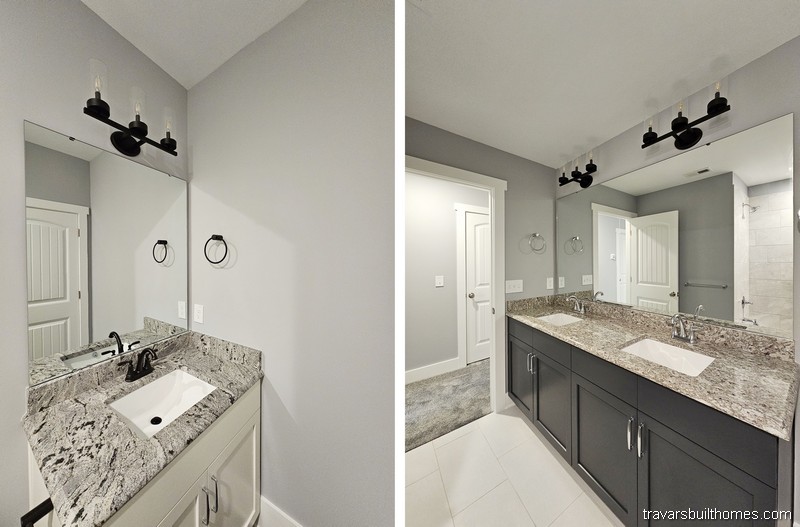
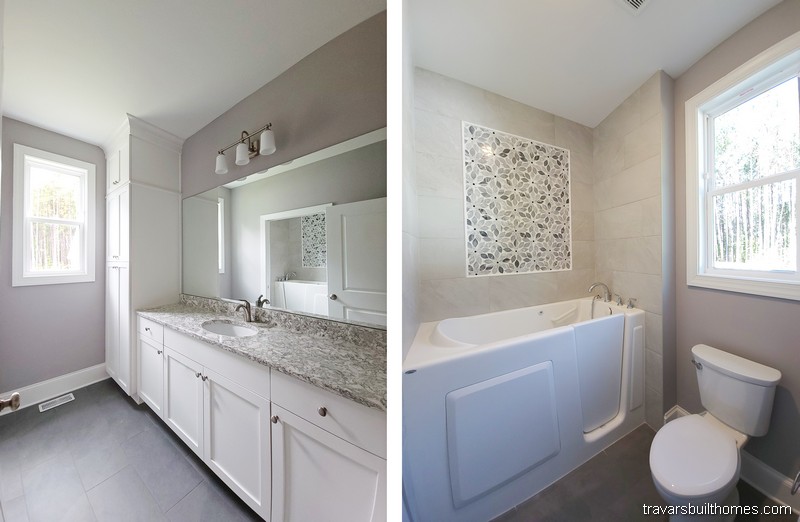
These thoughtfully designed secondary bathrooms are created to support daily routines with comfort and efficiency, featuring:

  • Well-planned layouts that balance function and ease of use
  • Durable finishes selected to stand up to everyday wear
  • Smart storage solutions that keep essentials organized and within reach
  • Flexible designs that adapt to changing needs over time

Explore these secondary bathroom ideas to find inspiration for practical, well-designed spaces that support everyday life without sacrificing style.

Click a photo to enlarge, or click “See Tour” to see the rest of the home.
Have Any Questions? Get in Touch Today!

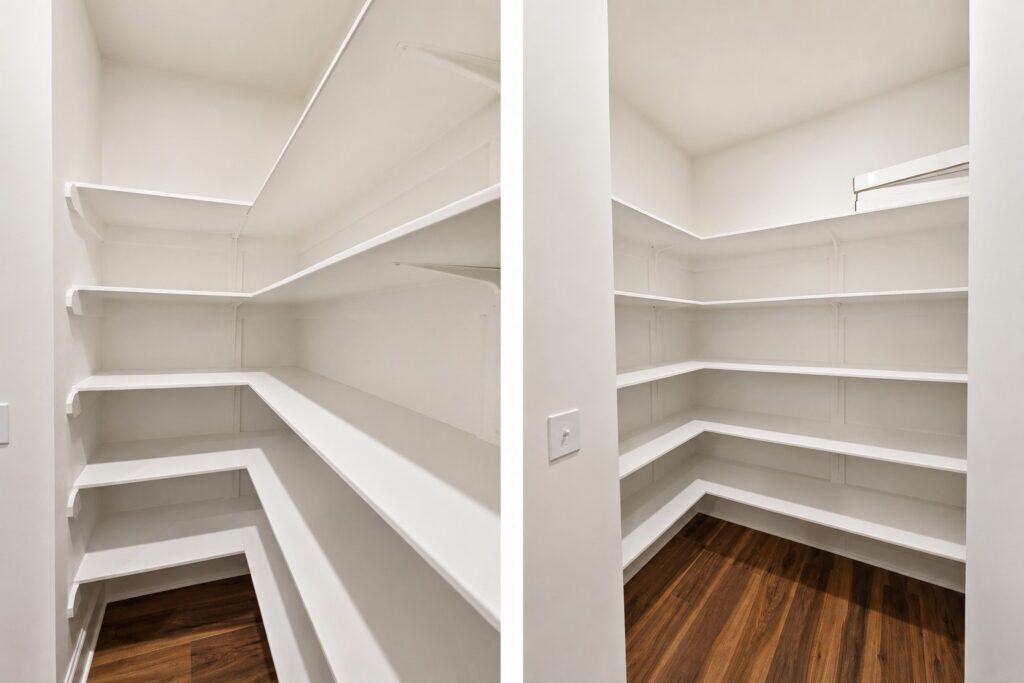
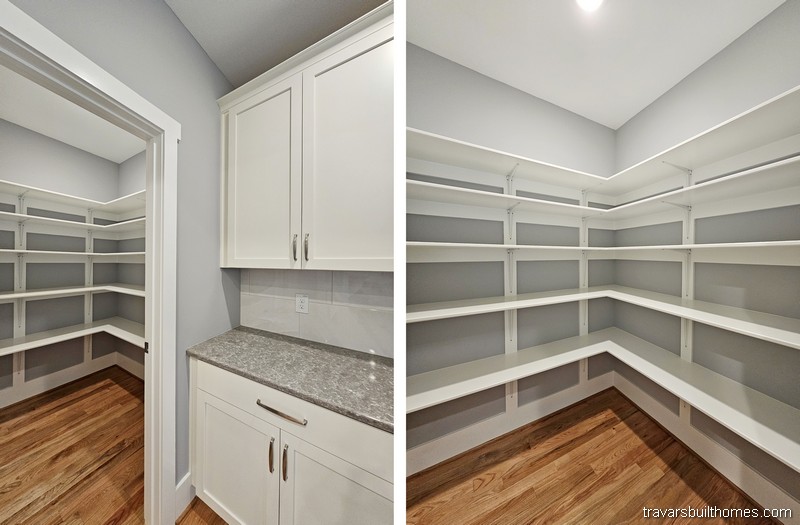
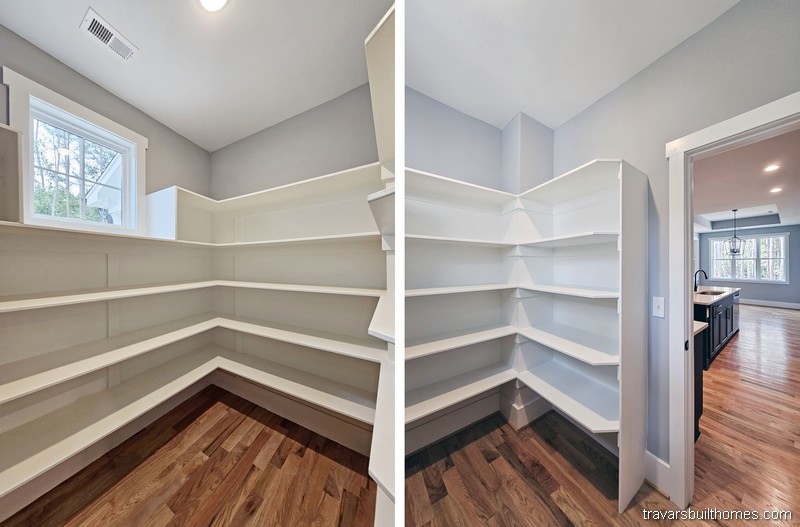
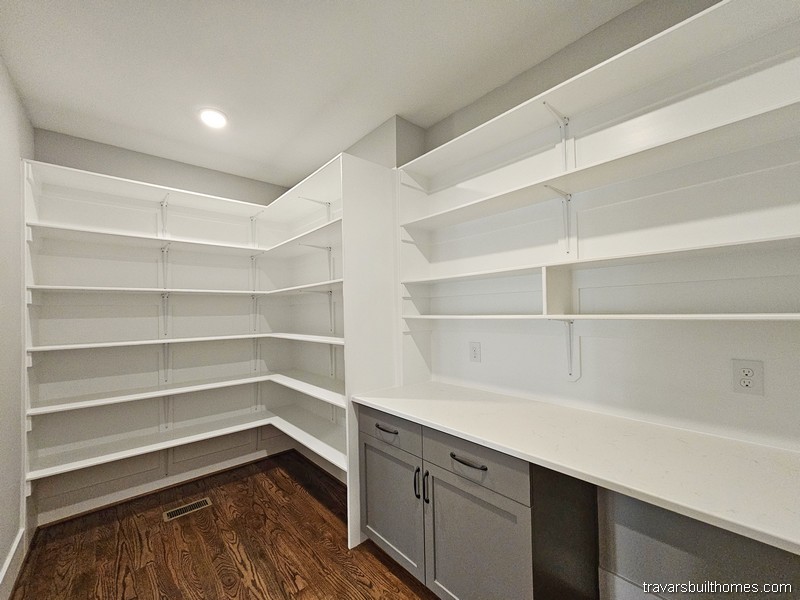
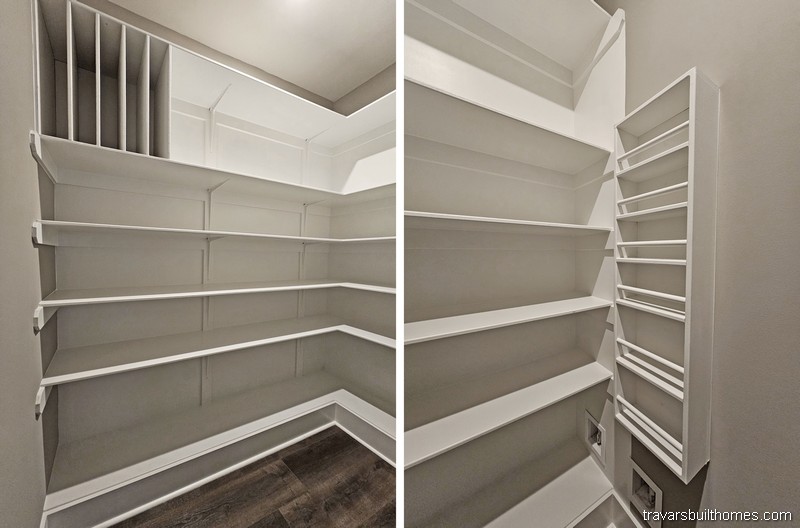
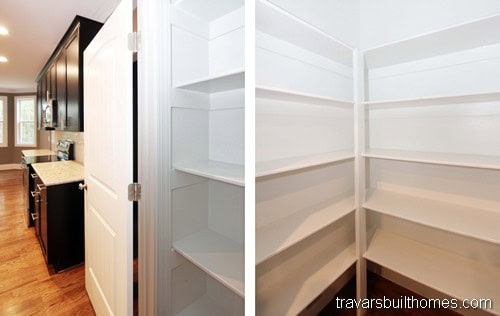
Walk In Pantry with Built Ins | Mebane NC New Homes

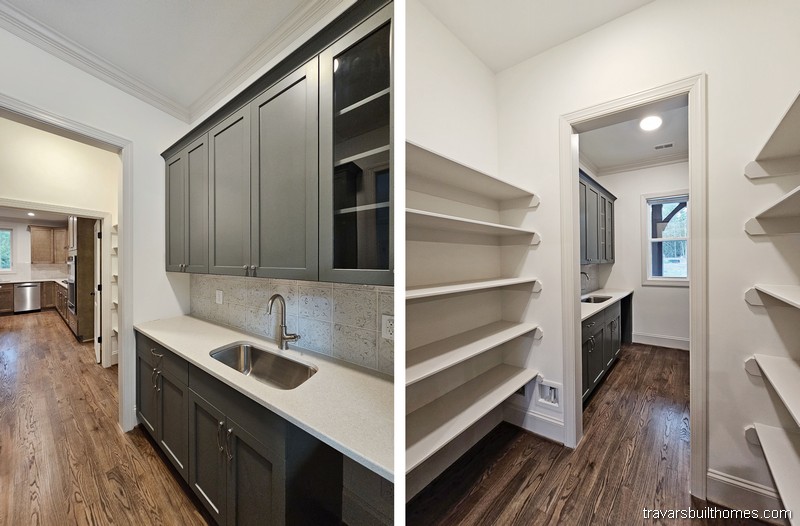
Grand Pantries

These well-planned pantry spaces are designed to bring order and efficiency to everyday routines, featuring:

  • Generous storage layouts that keep essentials organized and easy to access
  • Thoughtfully arranged shelving that supports both daily use and bulk storage
  • Flexible designs that accommodate everything from dry goods to small appliances
  • Functional layouts that adapt as household needs and cooking habits evolve

Explore these pantry ideas to find inspiration for practical, well-designed spaces that support everyday life while keeping the kitchen running smoothly.

Click a photo to enlarge, or click “See Tour” to see the rest of the home.

Have Any Questions? Get in Touch Today!

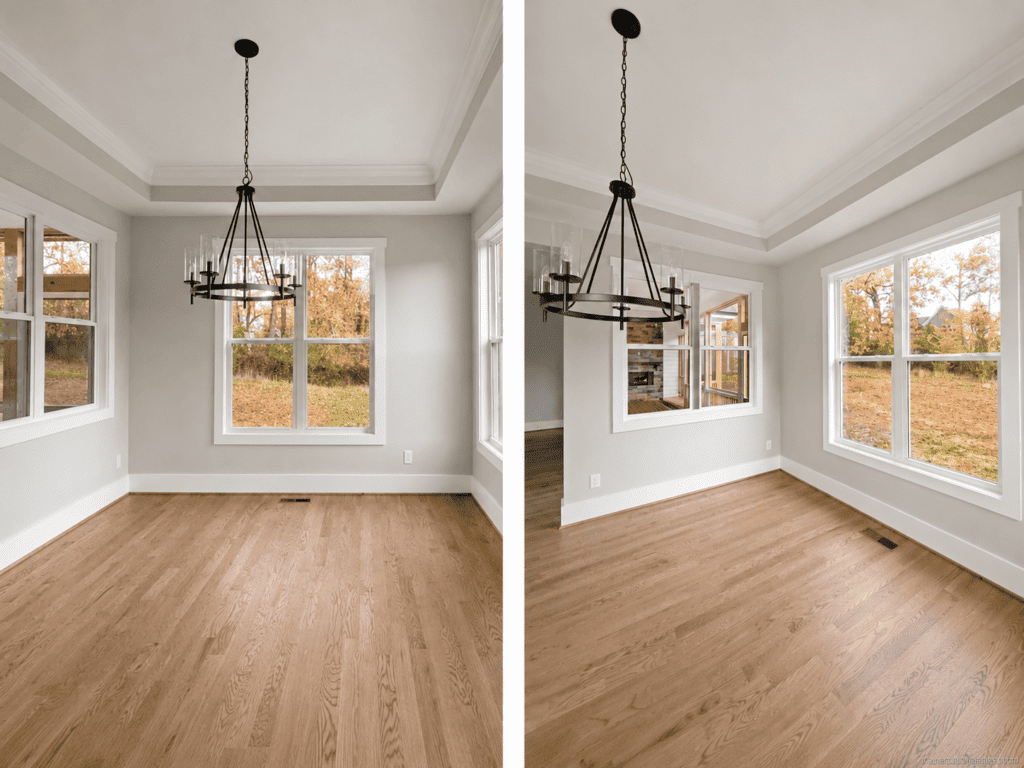
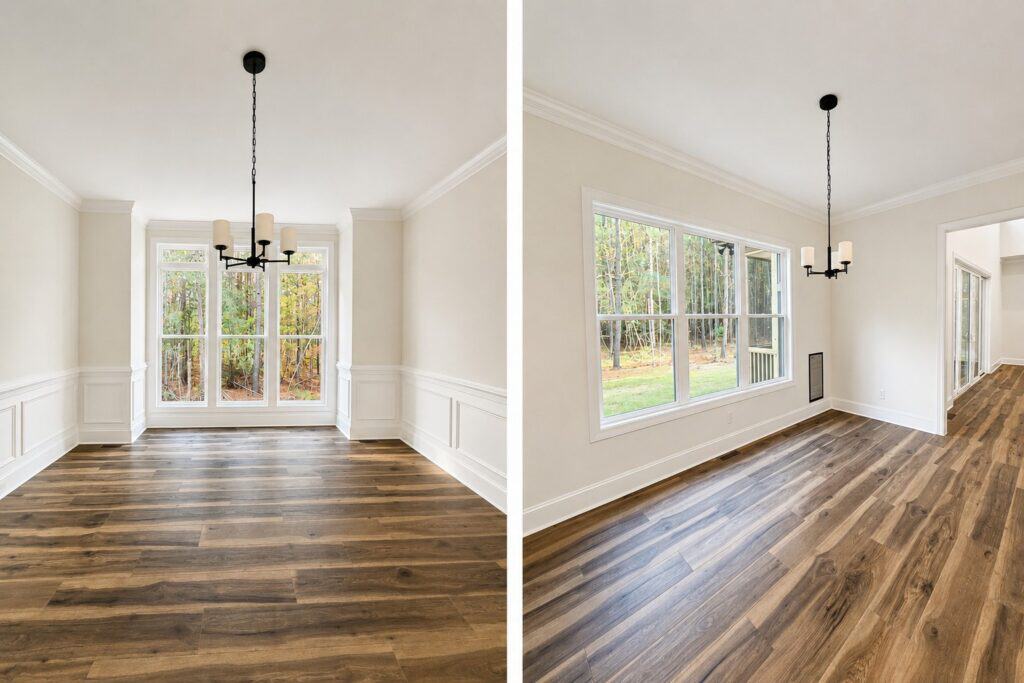
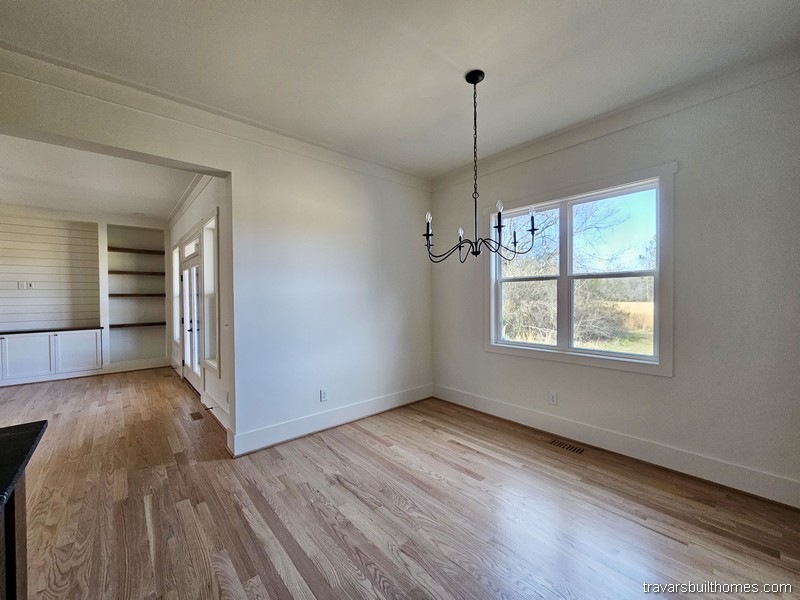
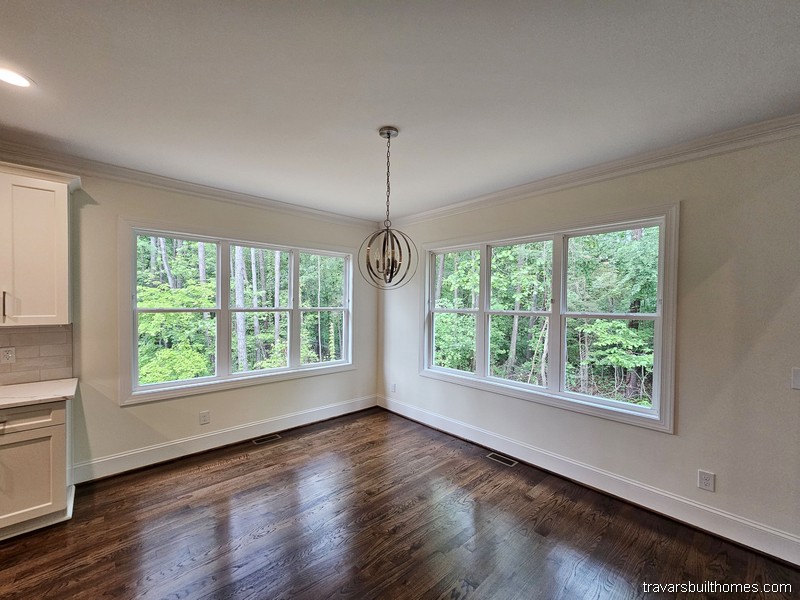
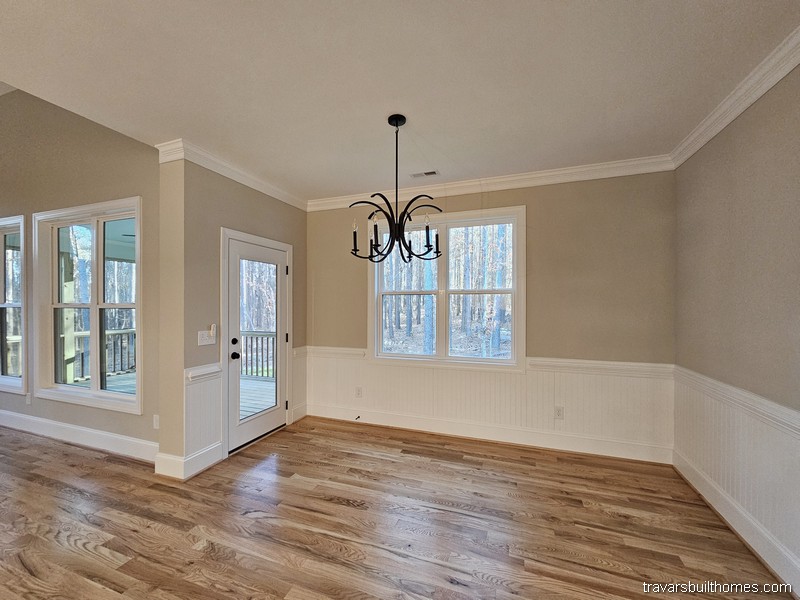
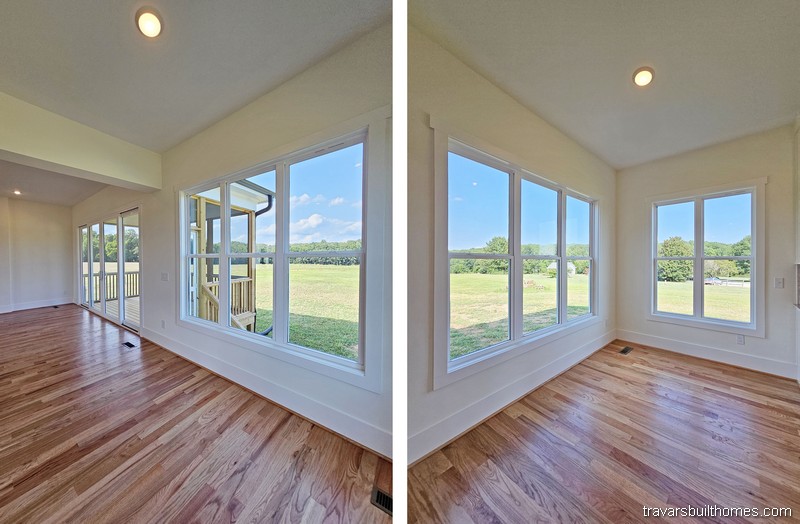
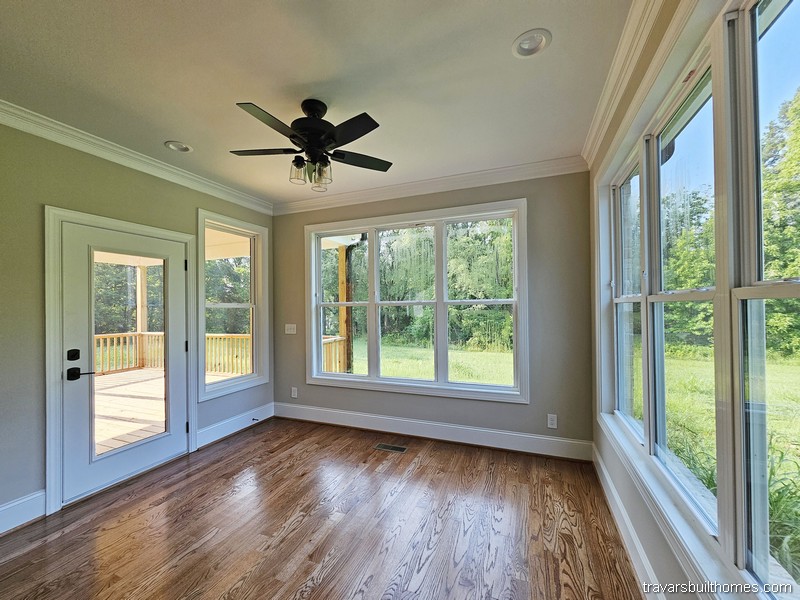
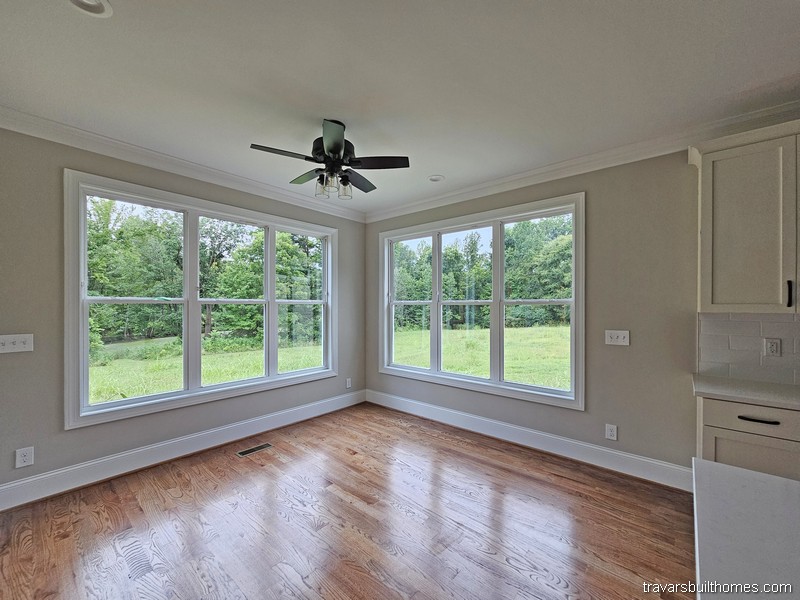
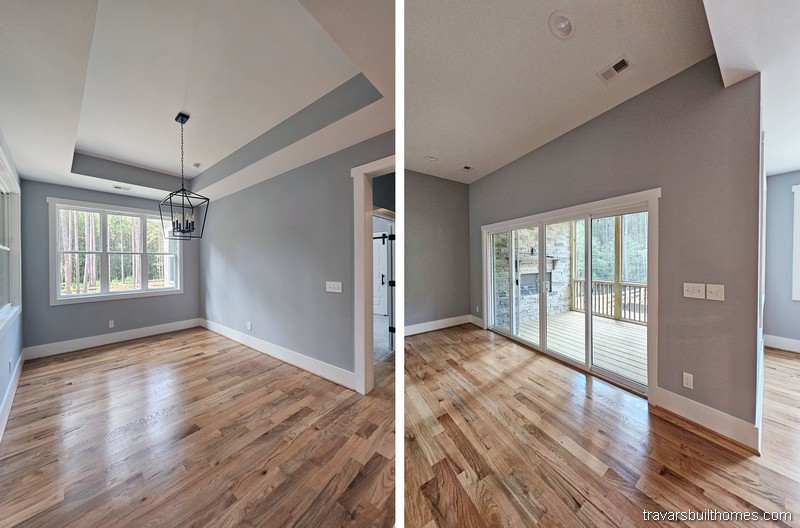
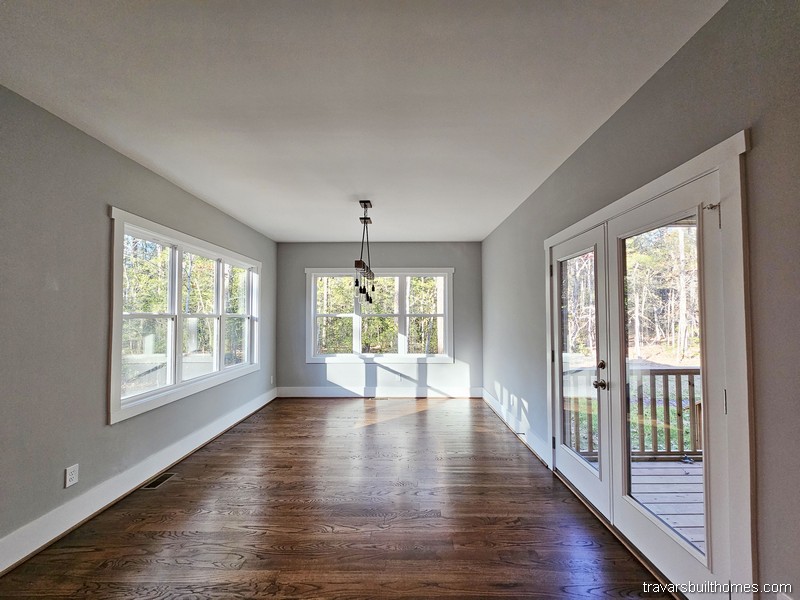
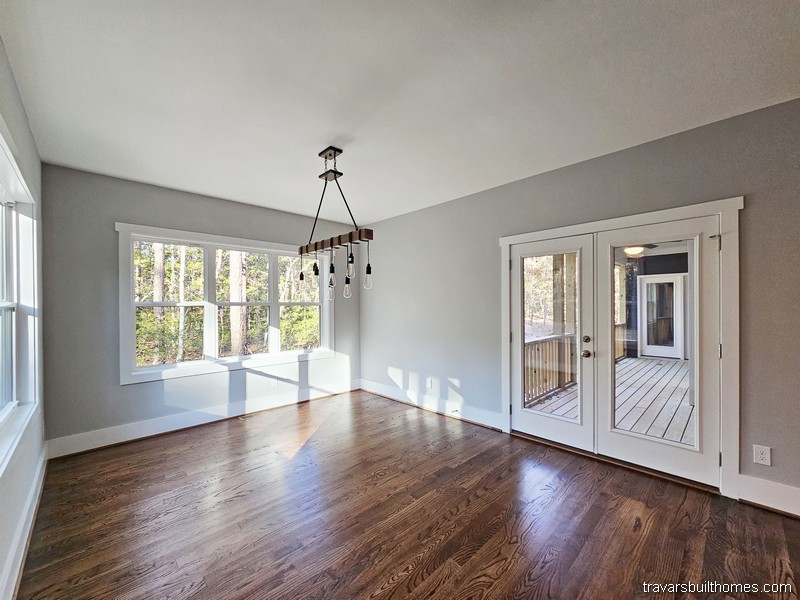
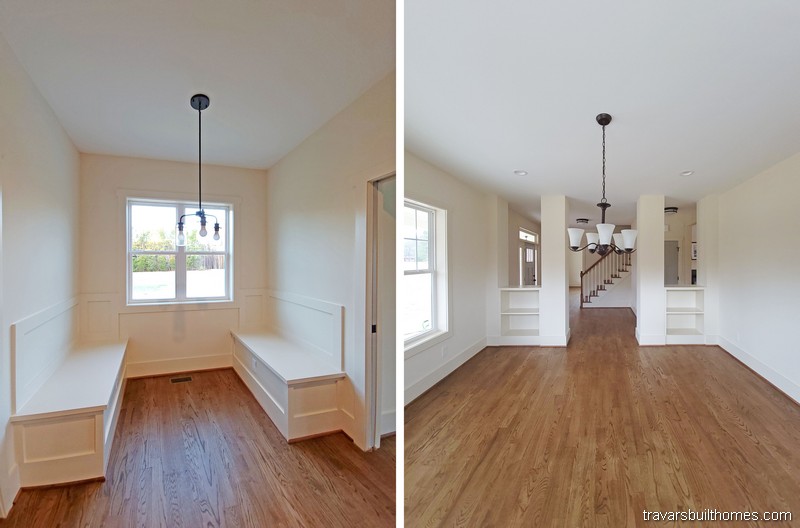
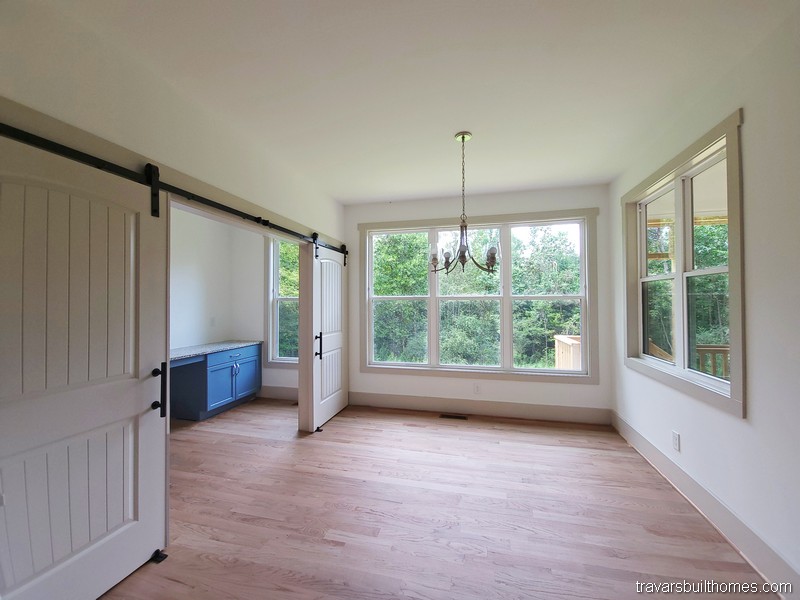
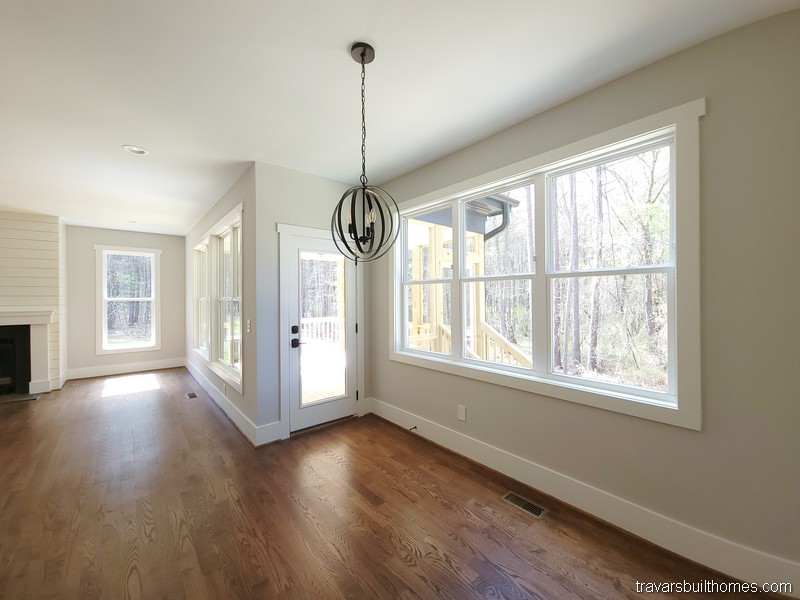
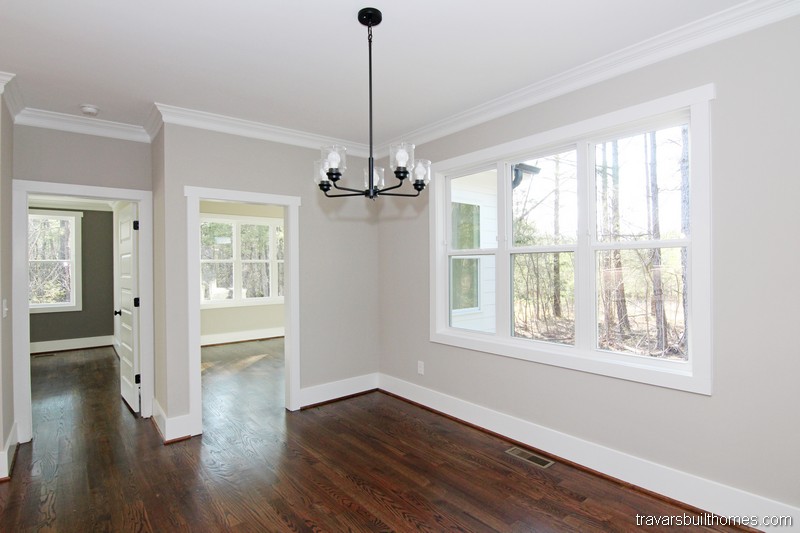
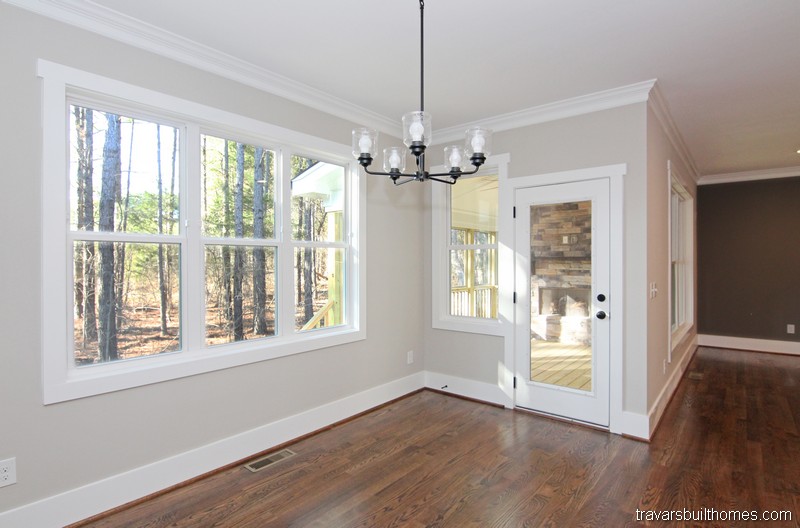
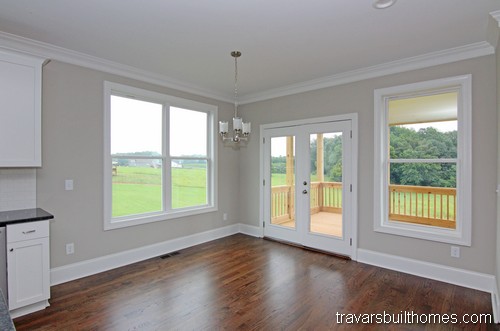
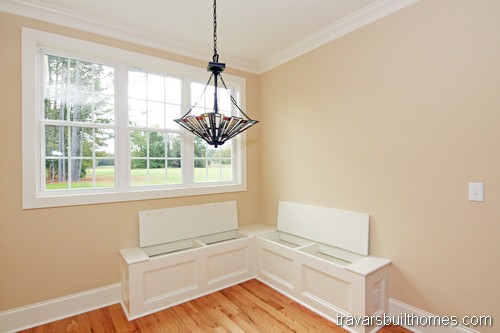
Inviting Informal Dining/Breakfast Rooms

These informal dining and breakfast spaces reflect thoughtful planning and everyday livability, with features such as:

  • Light-filled layouts designed to make daily meals feel open and unhurried.
  • Integrated built-ins and window seating that balance comfort with intentional design.
  • Seamless connection to kitchens and outdoor views—supporting natural flow throughout the home.
  • Distinctive lighting and architectural details that create warmth without formality.

Explore each space and let our gallery inspire ideas for casual gathering areas that elevate daily living.

Click a photo to enlarge, or click “See Tour” to see the rest of the home.

Have Any Questions? Get in Touch Today!