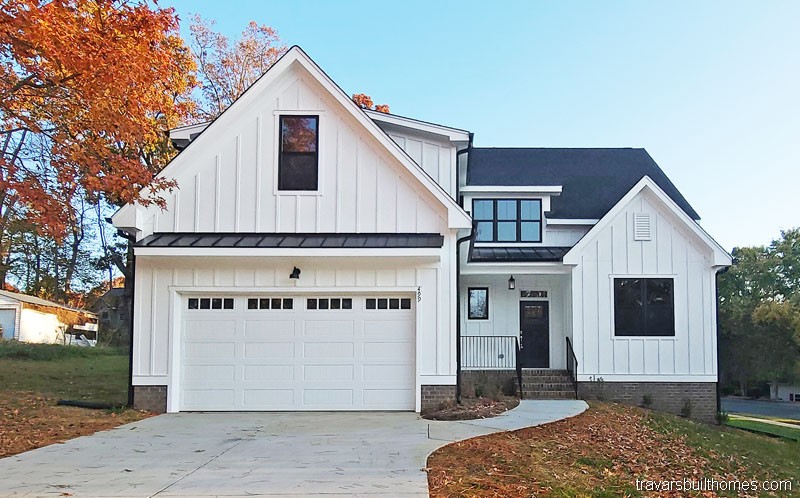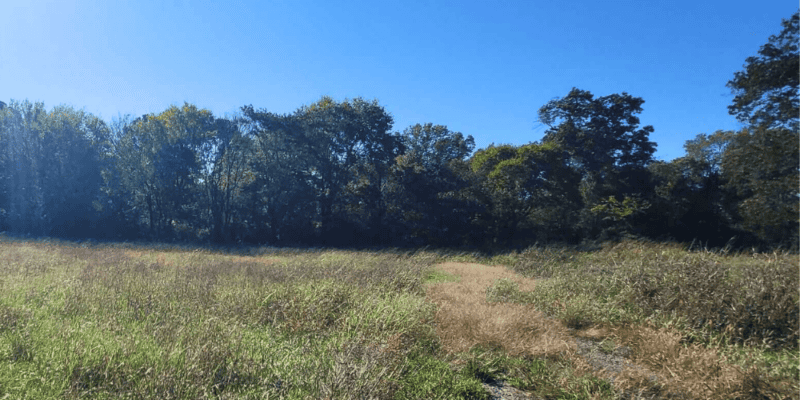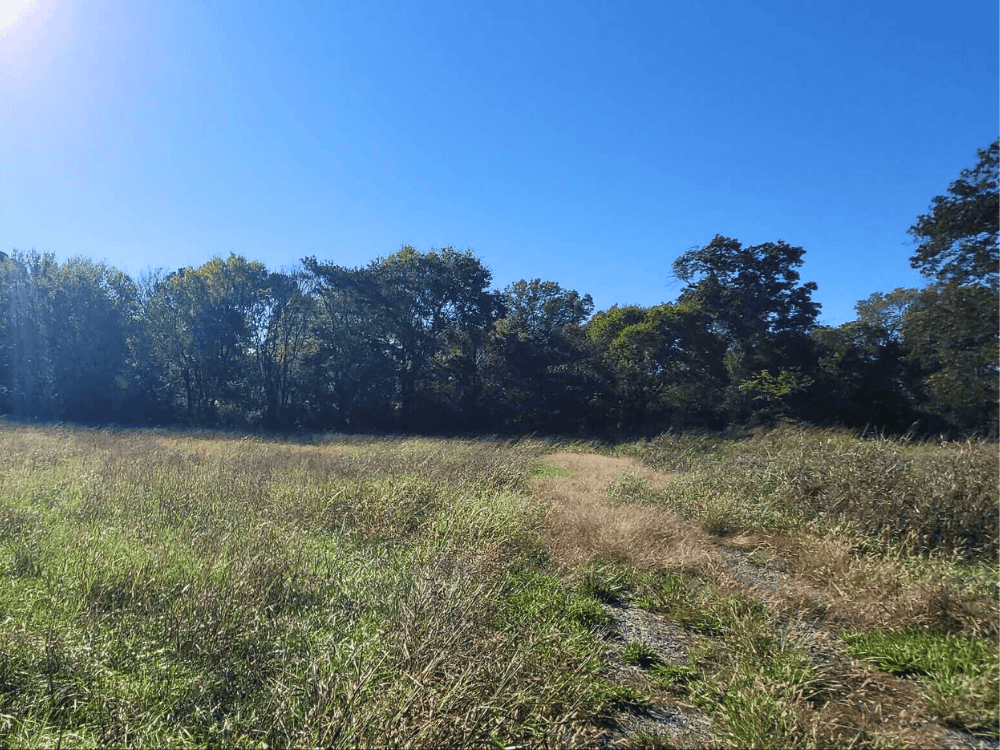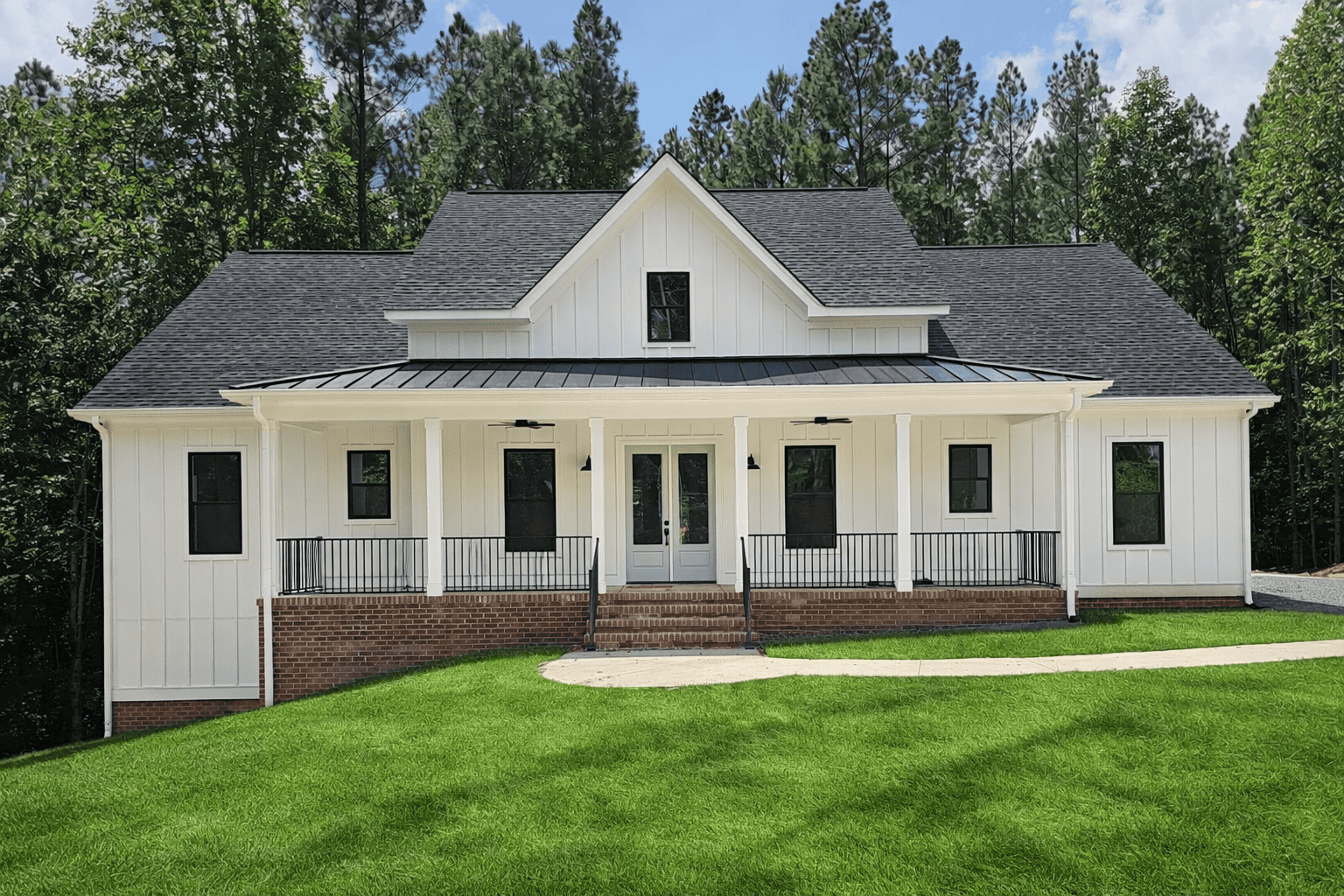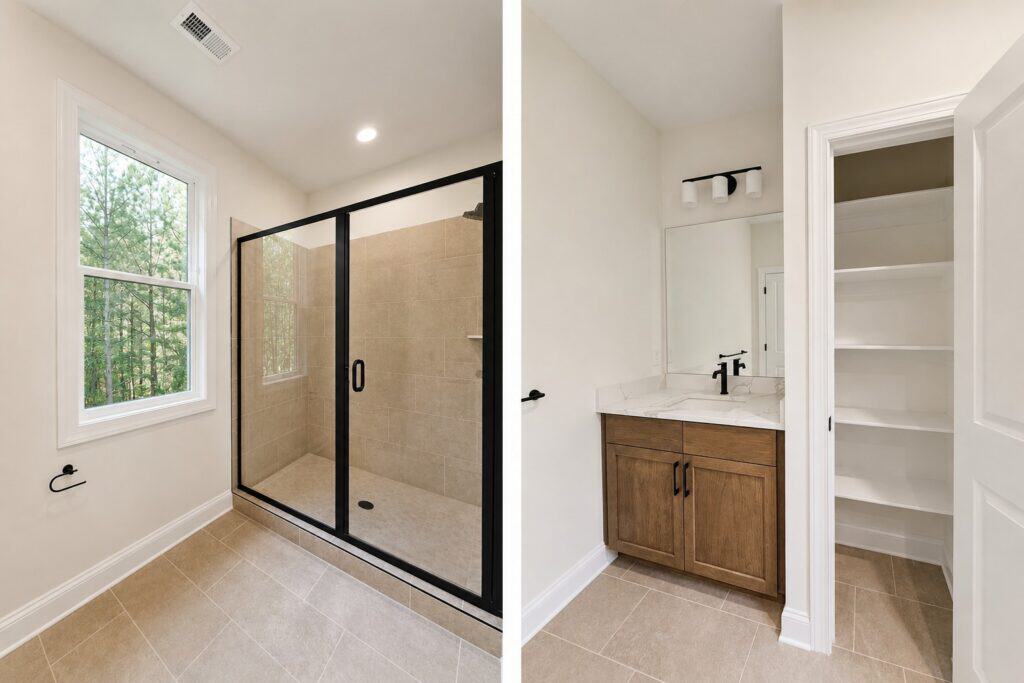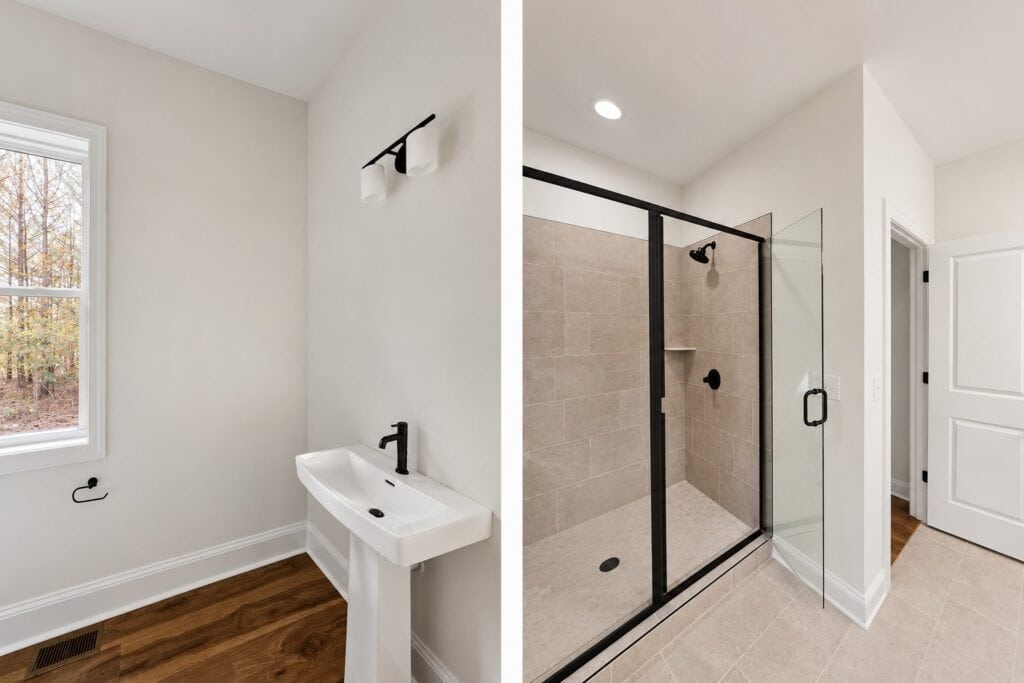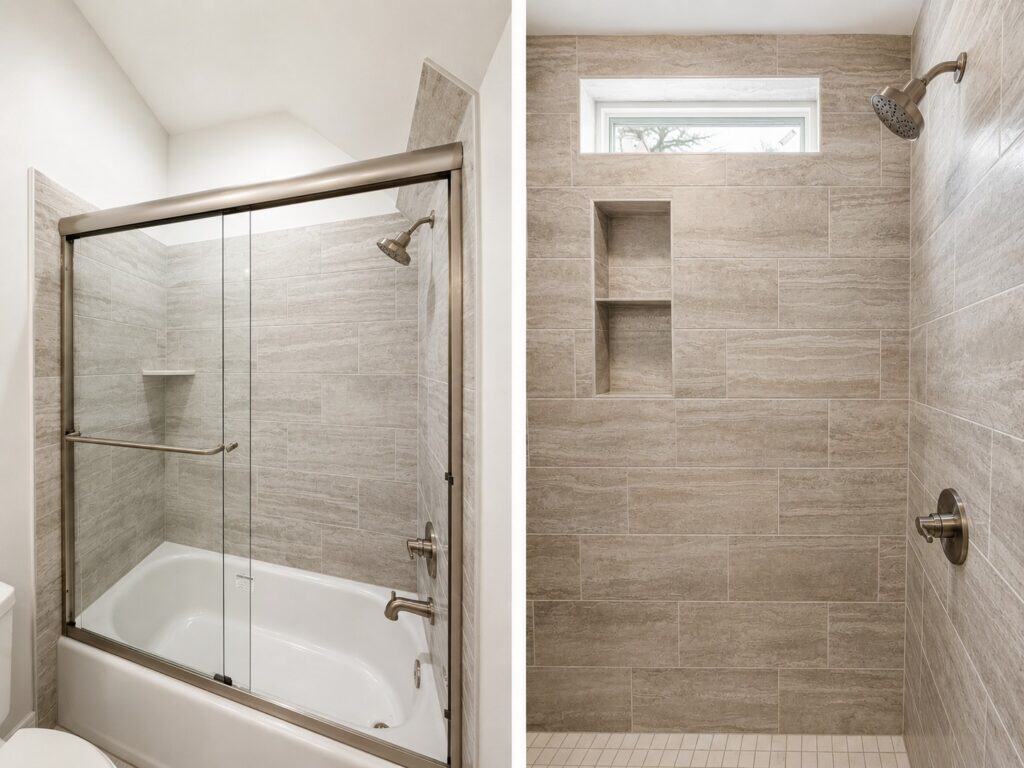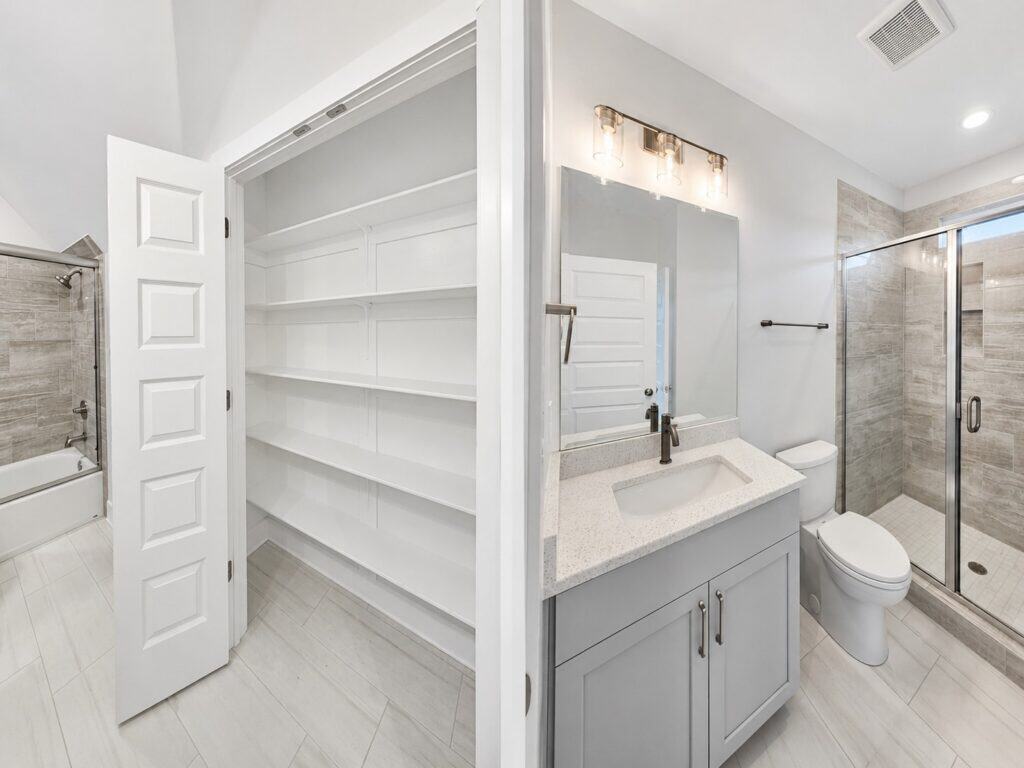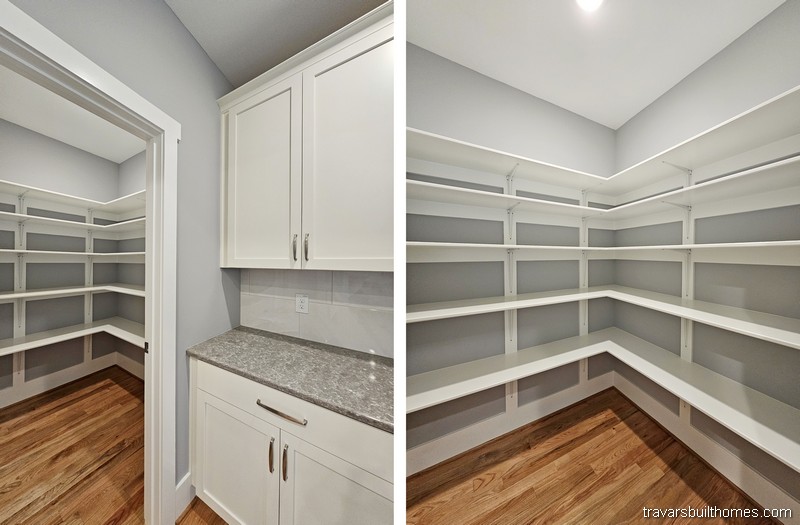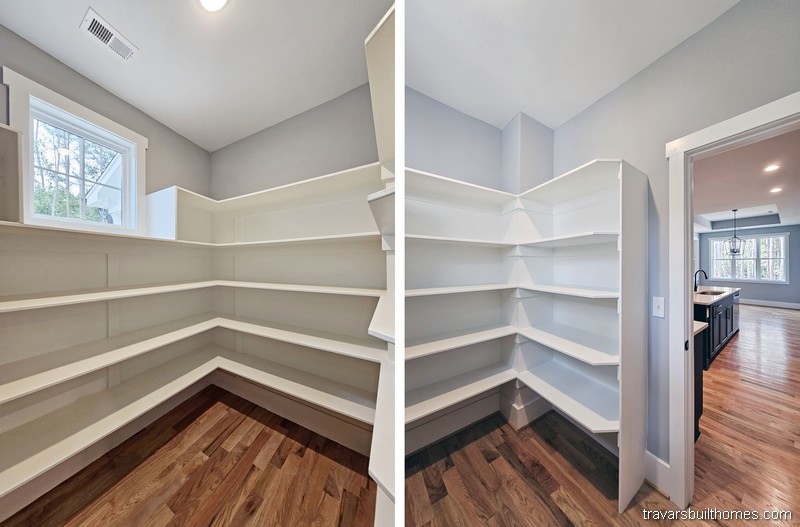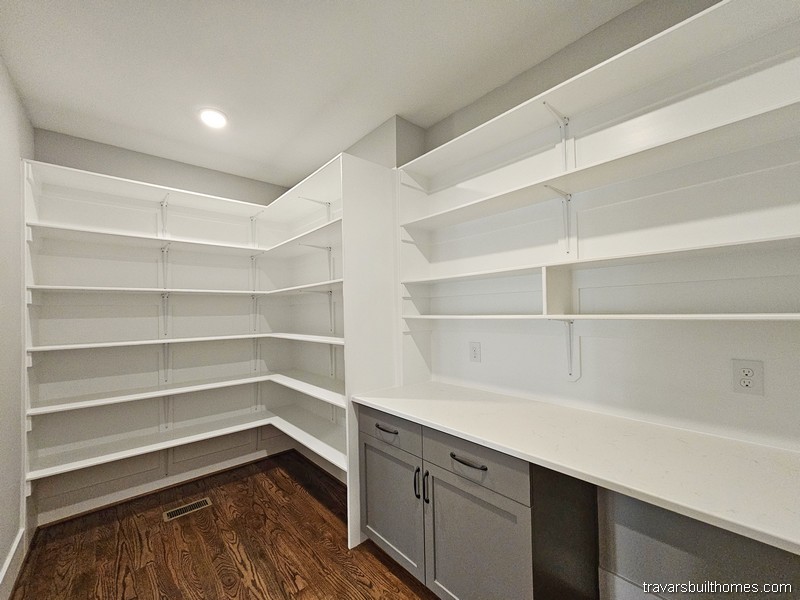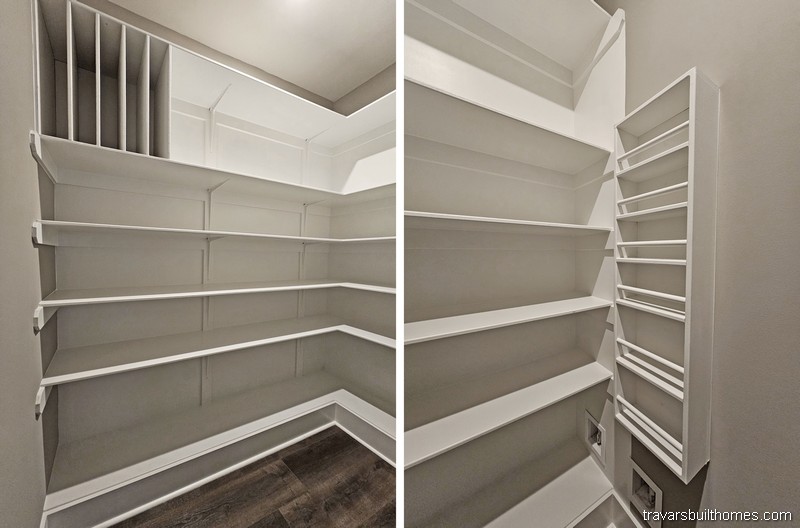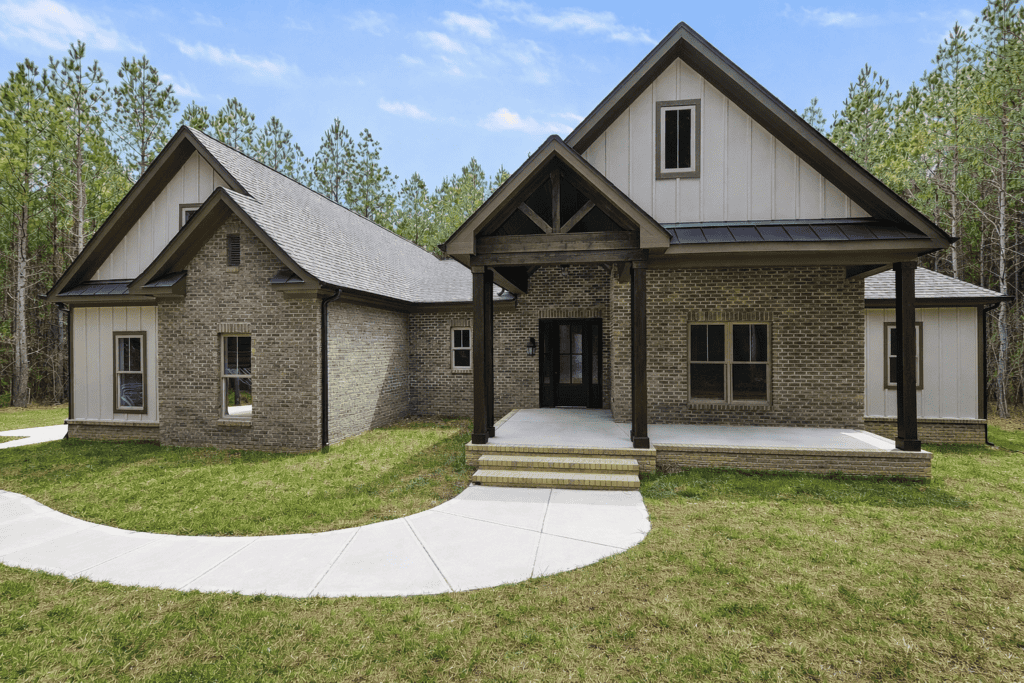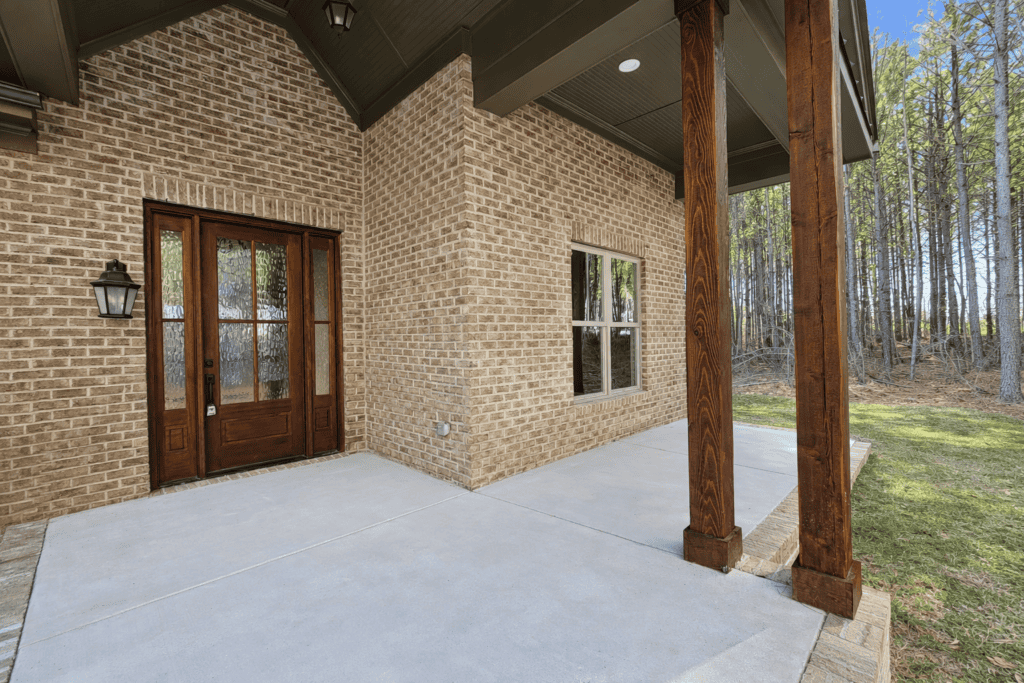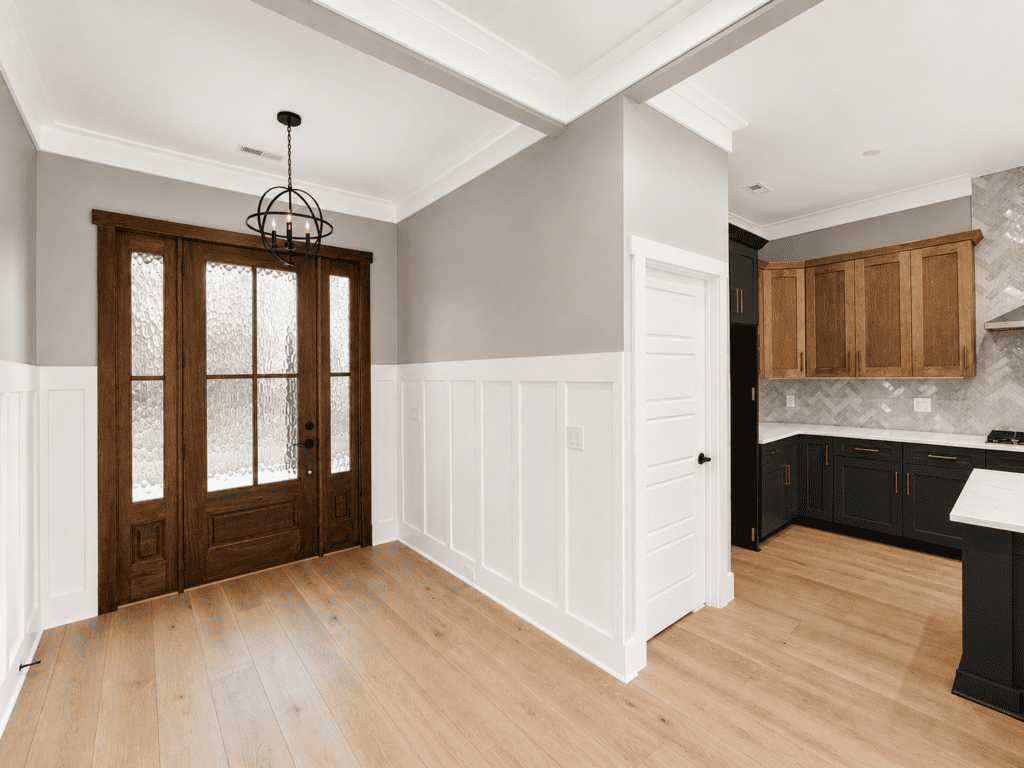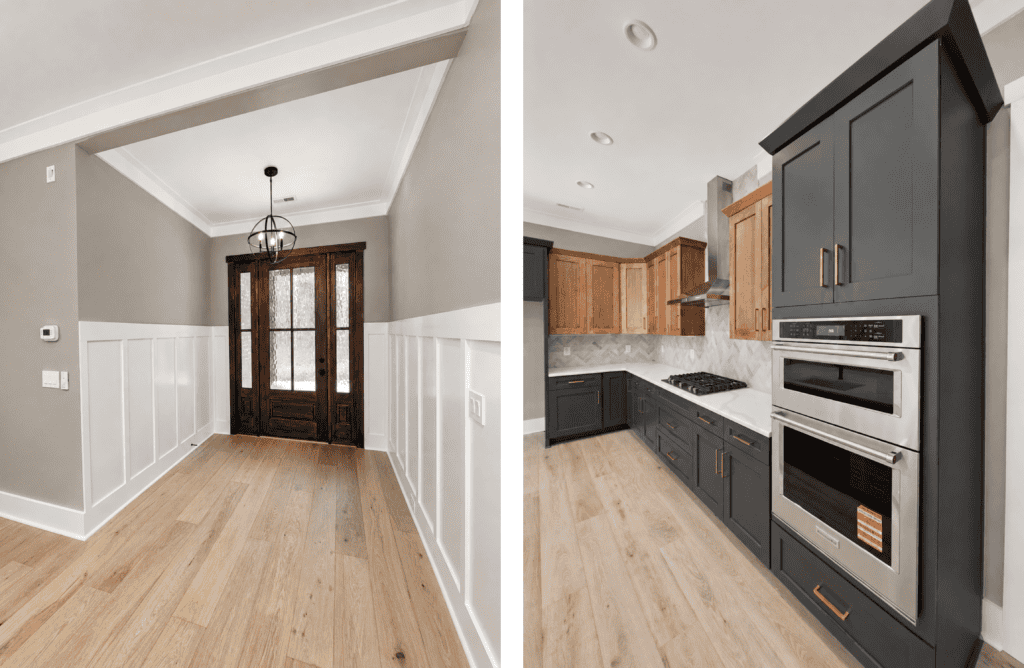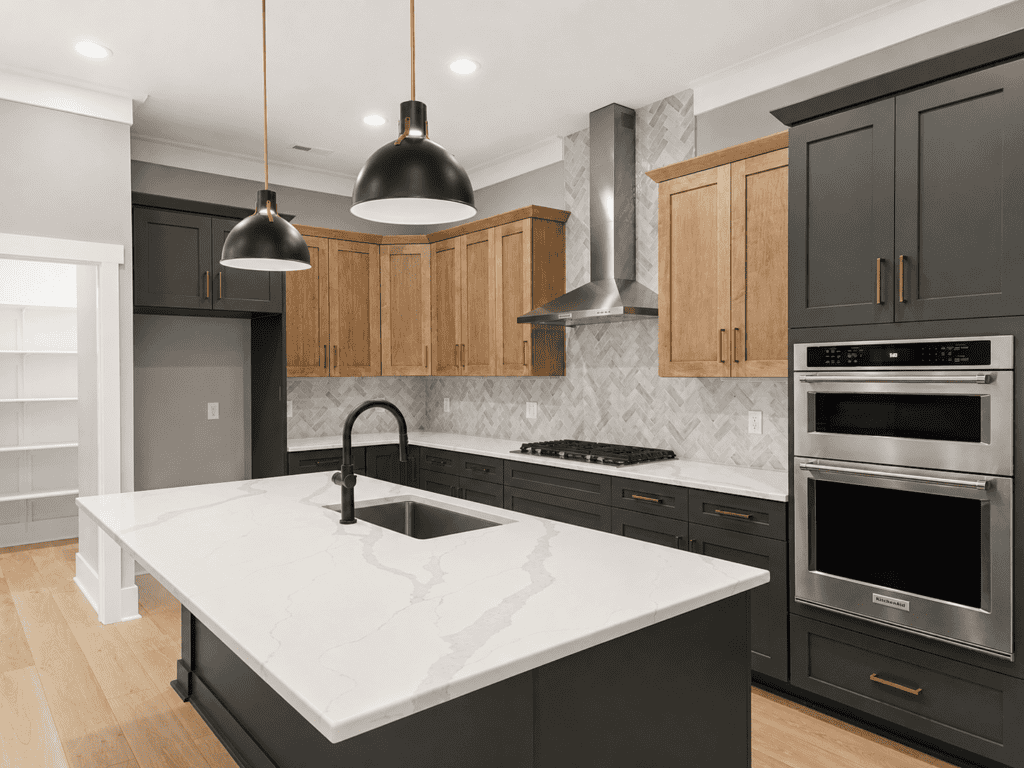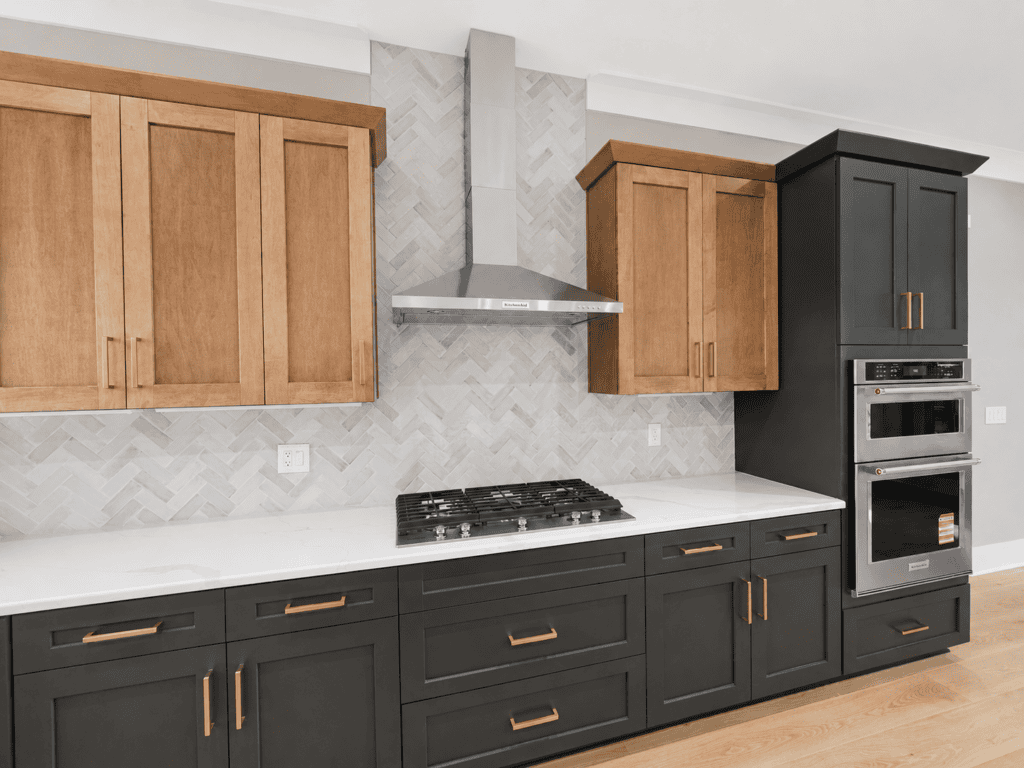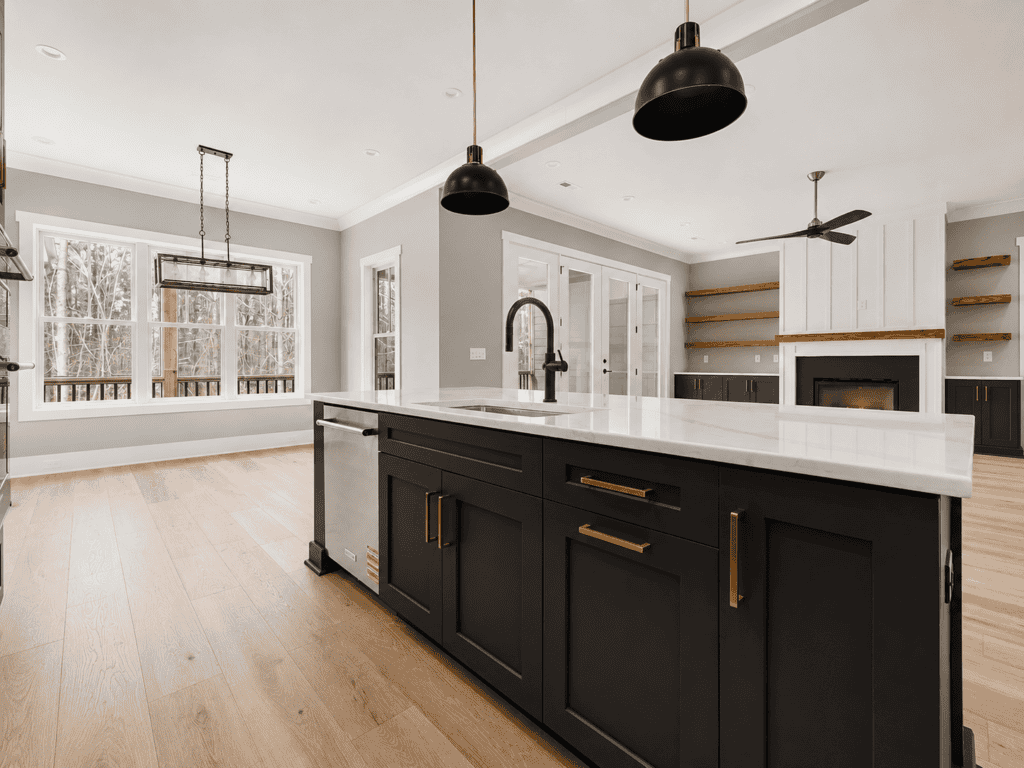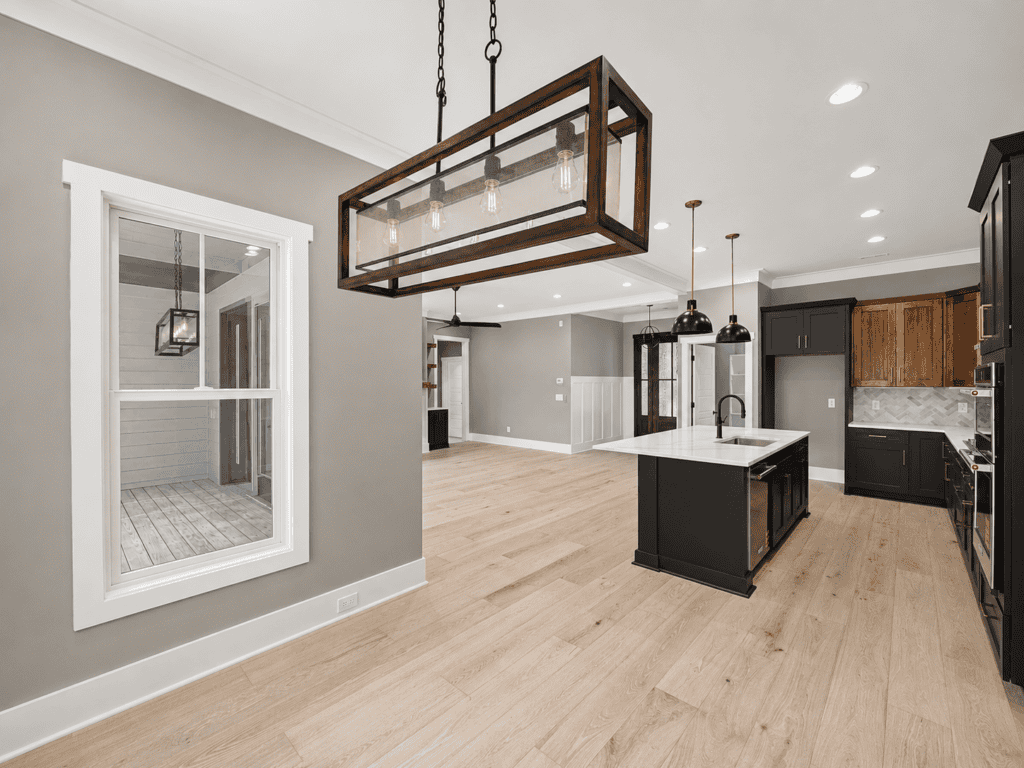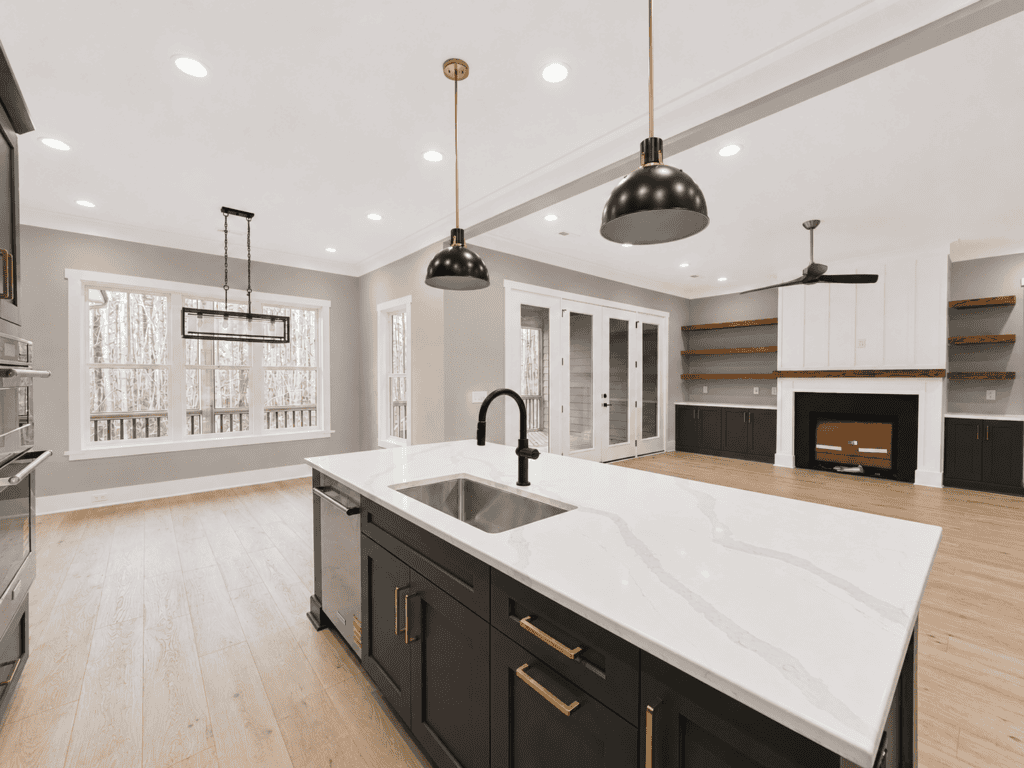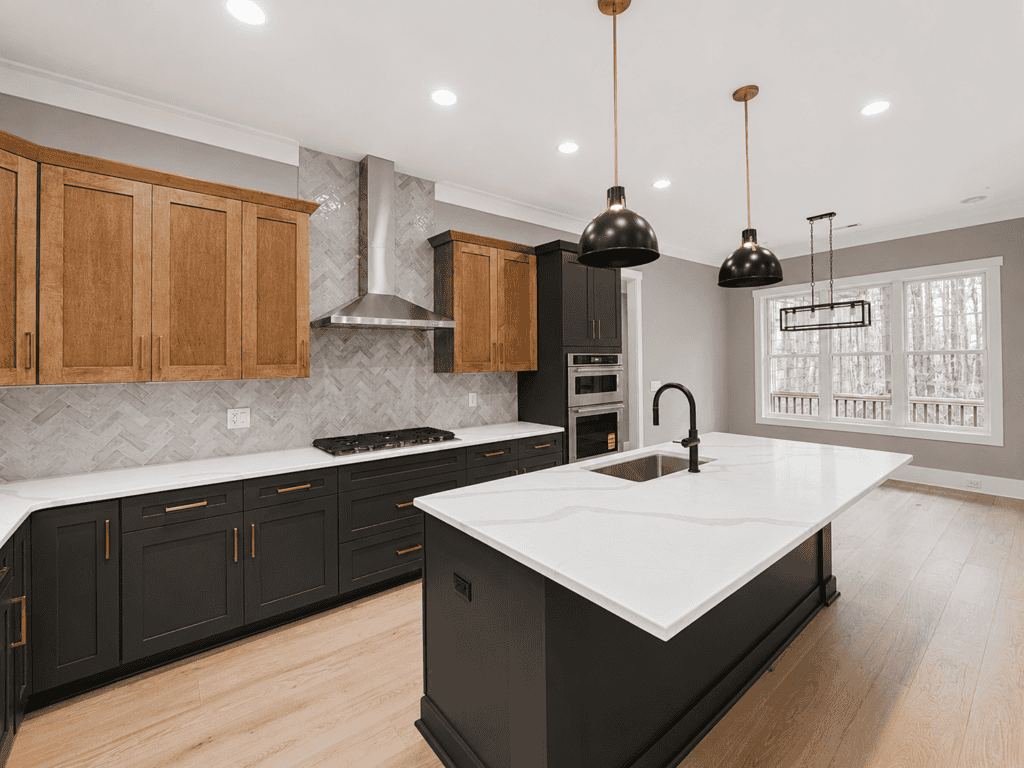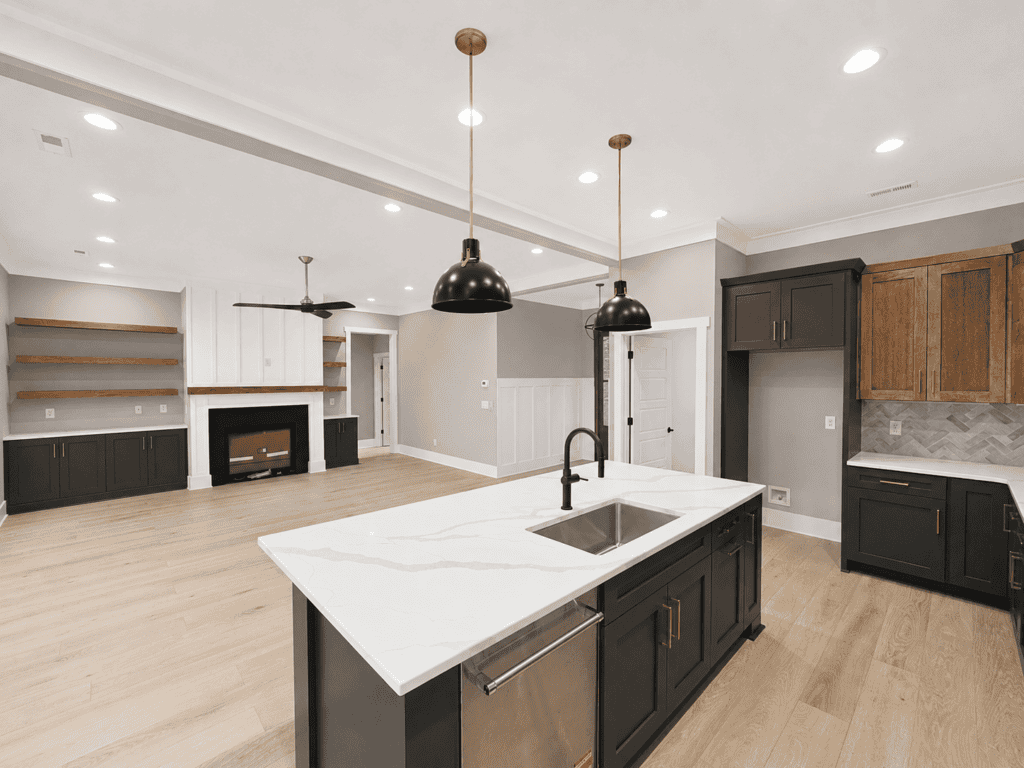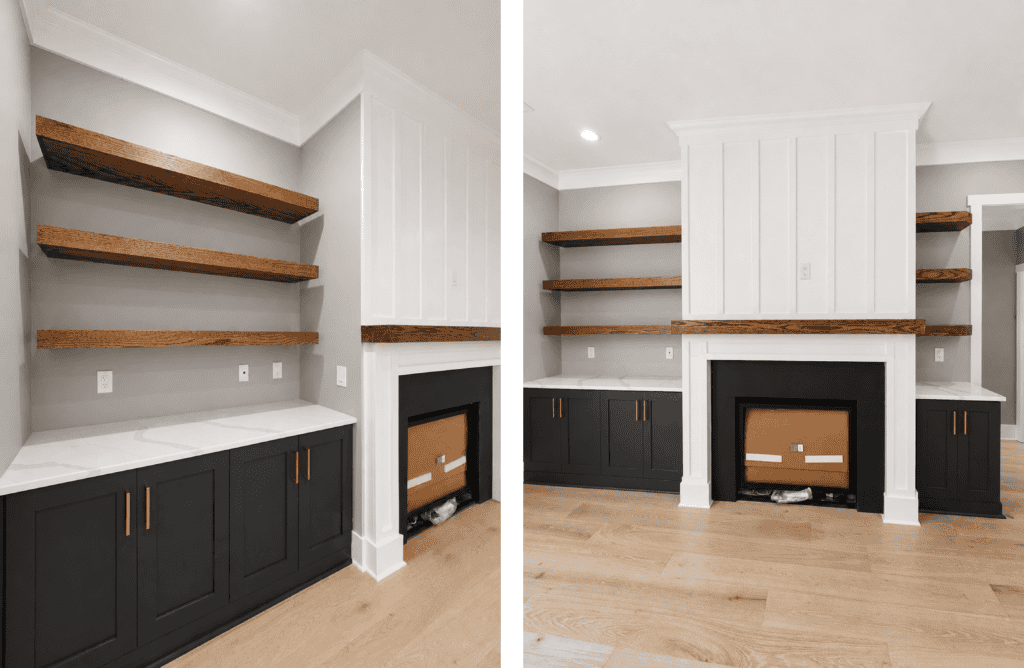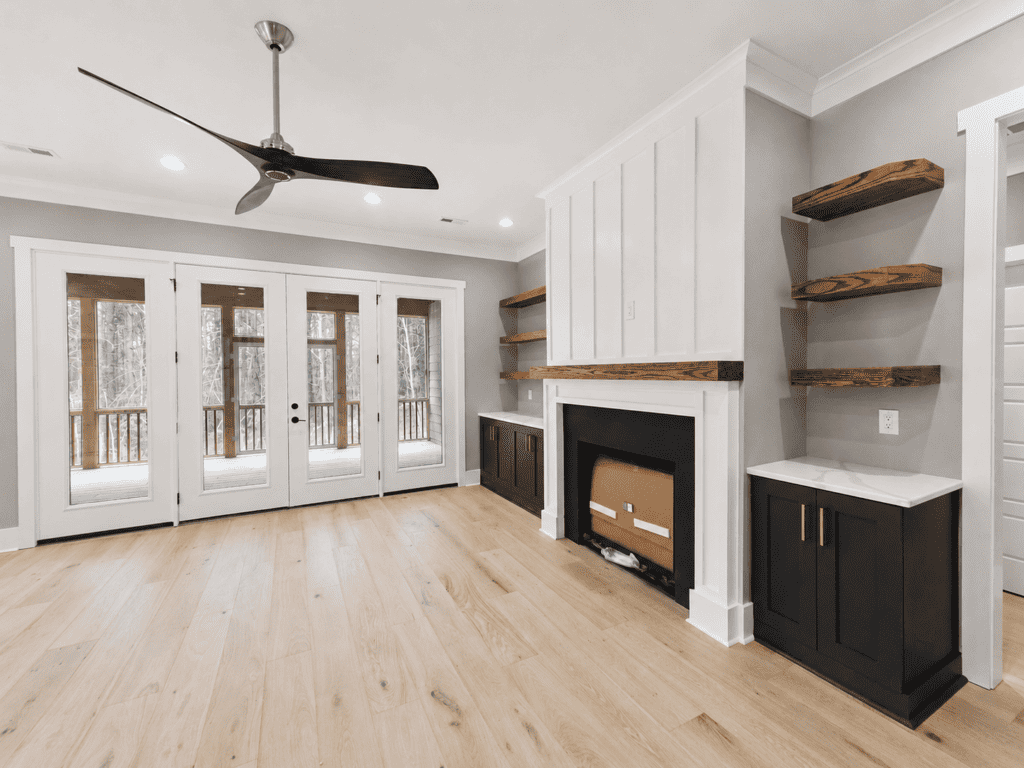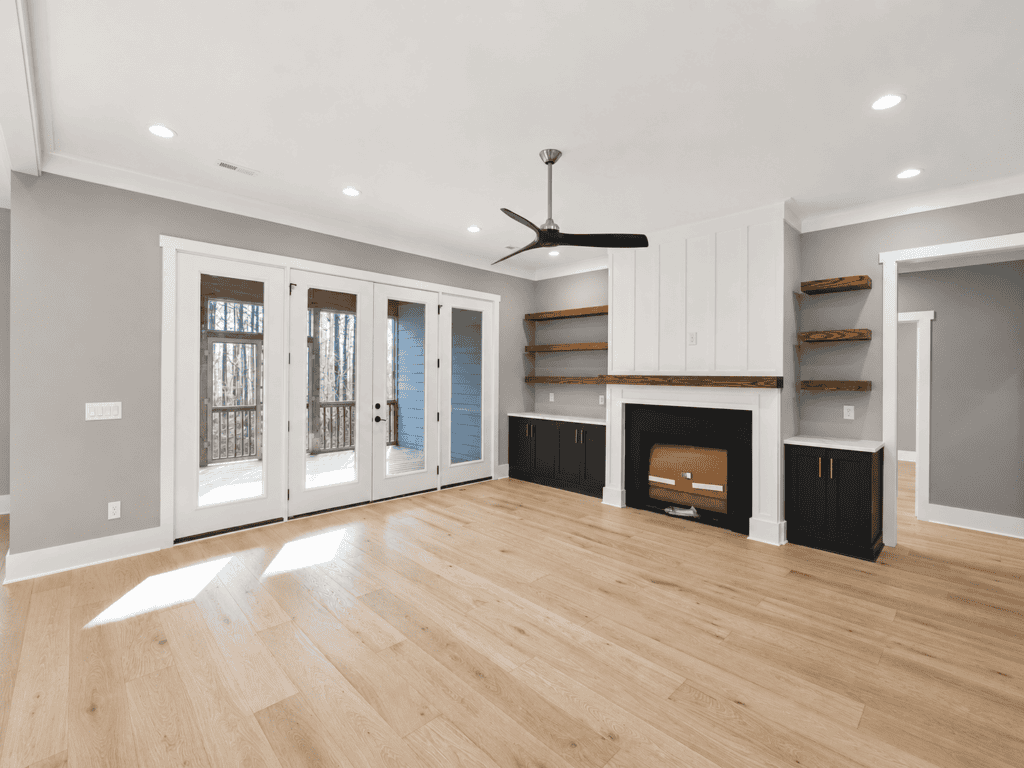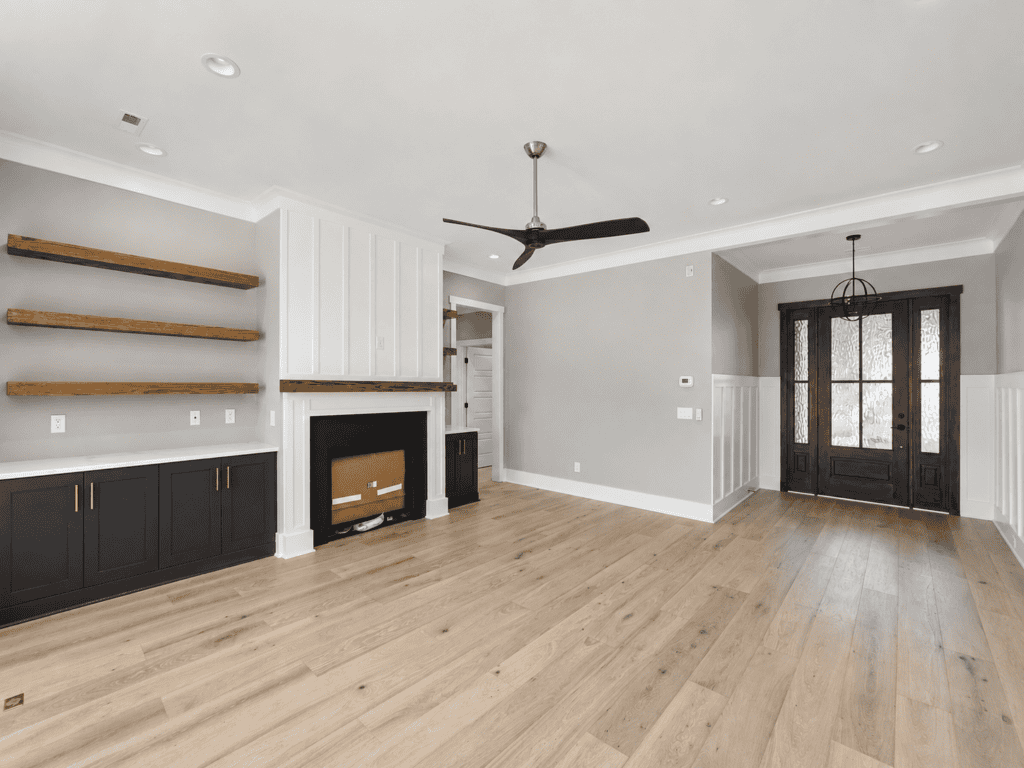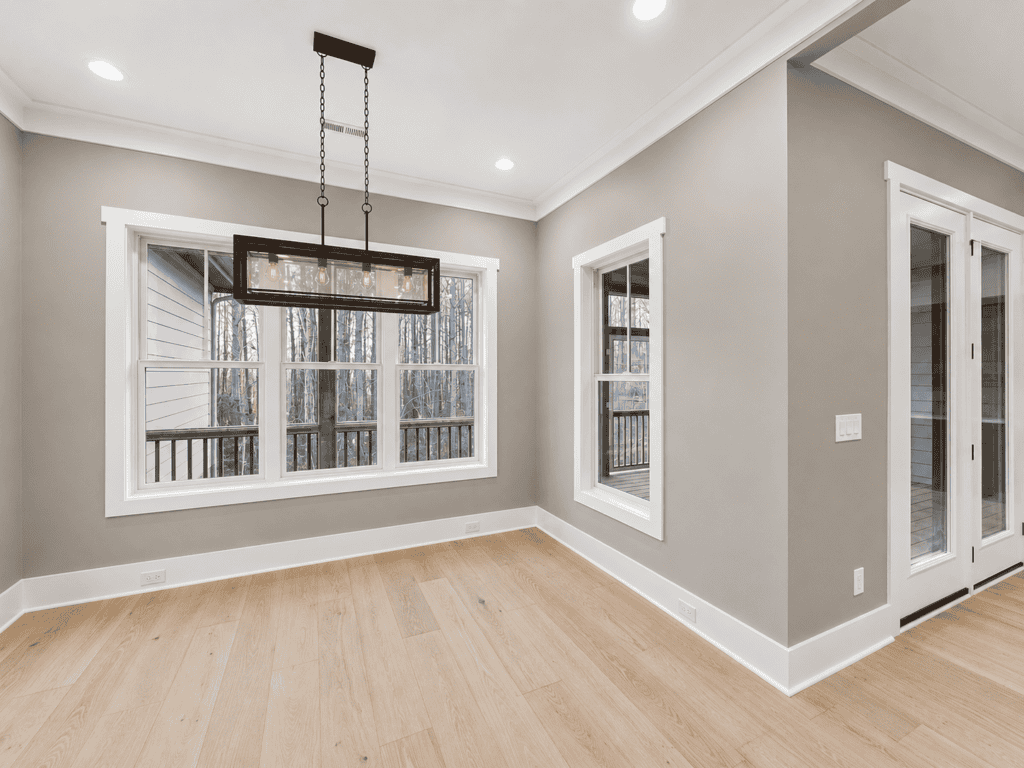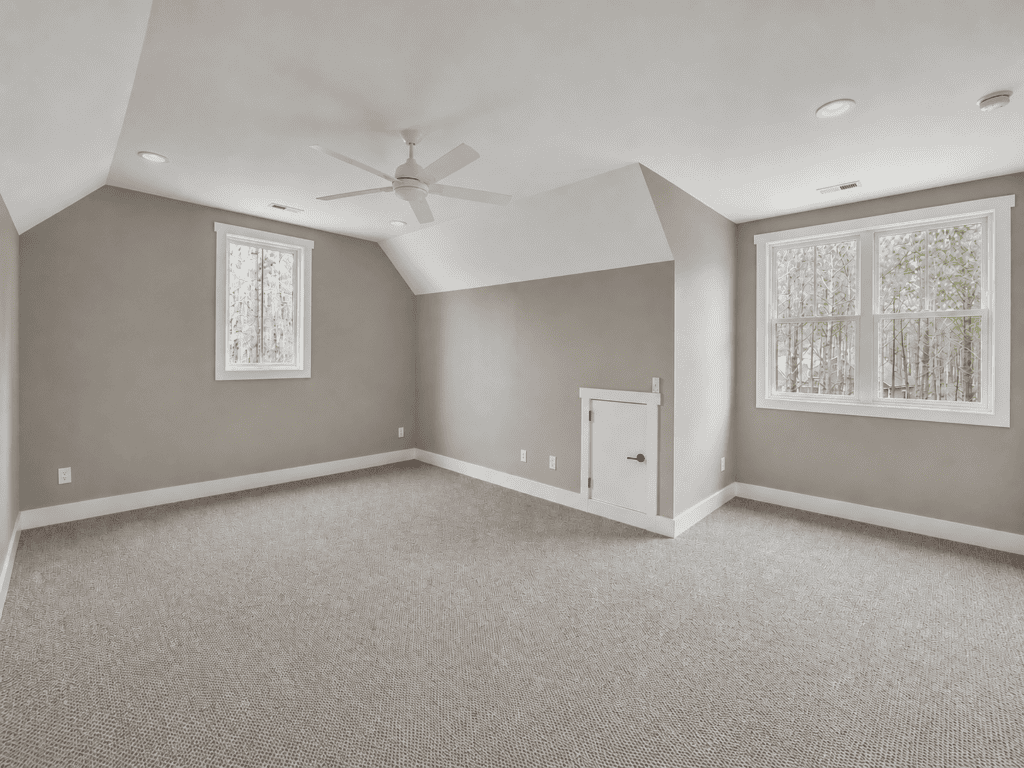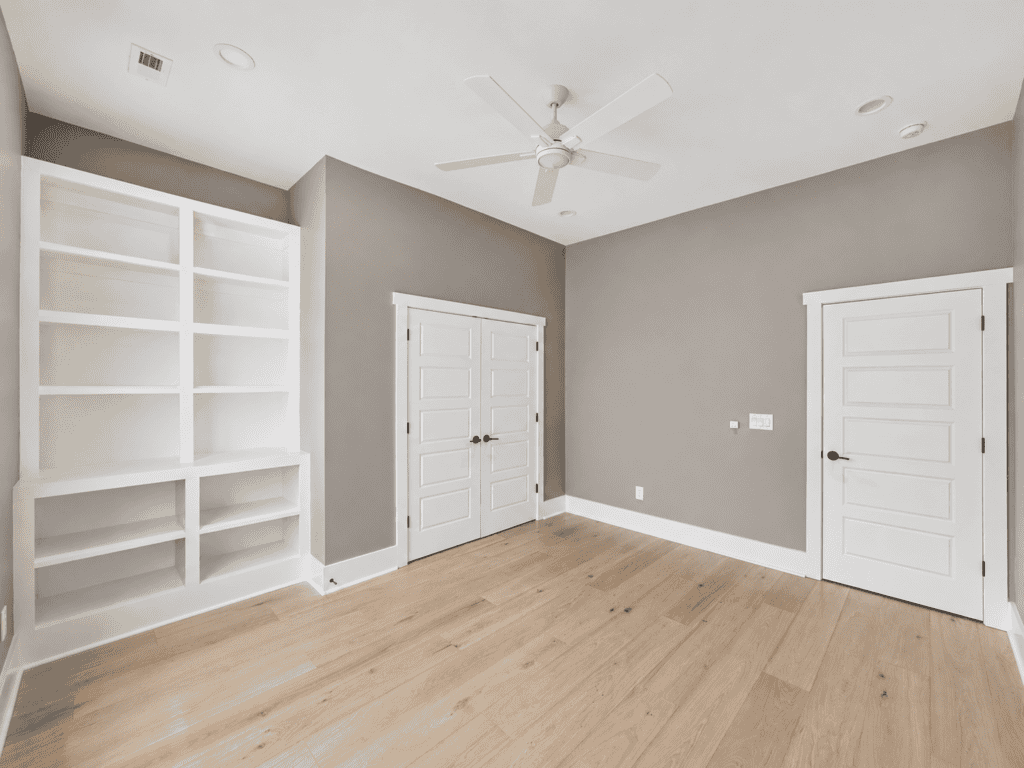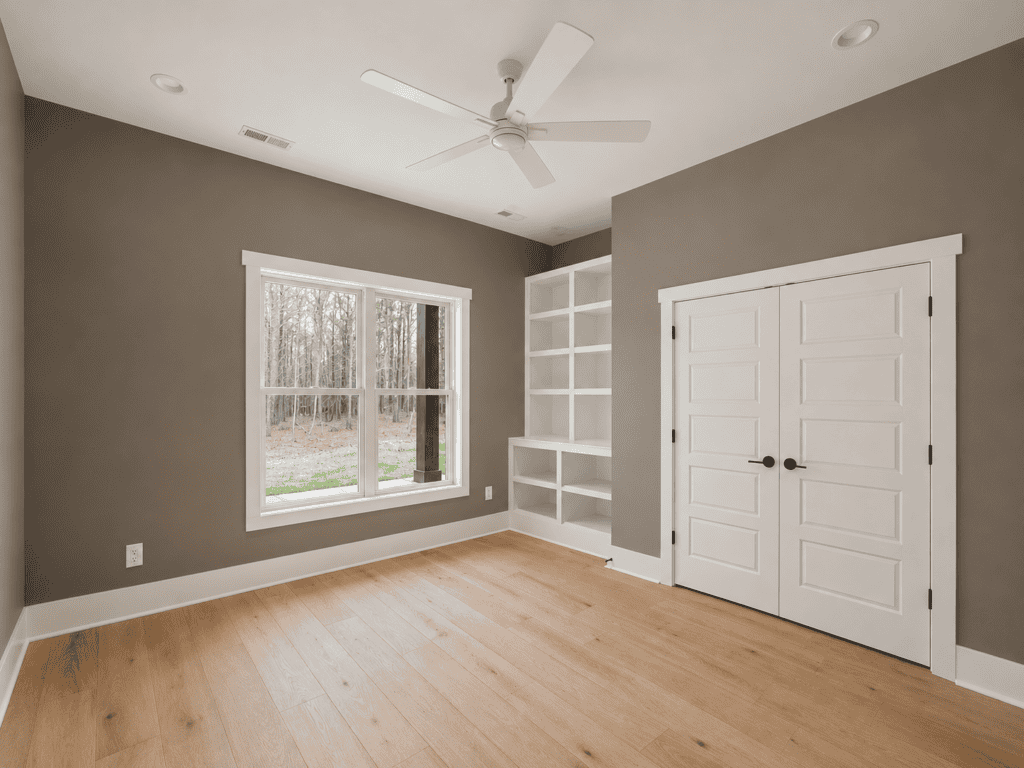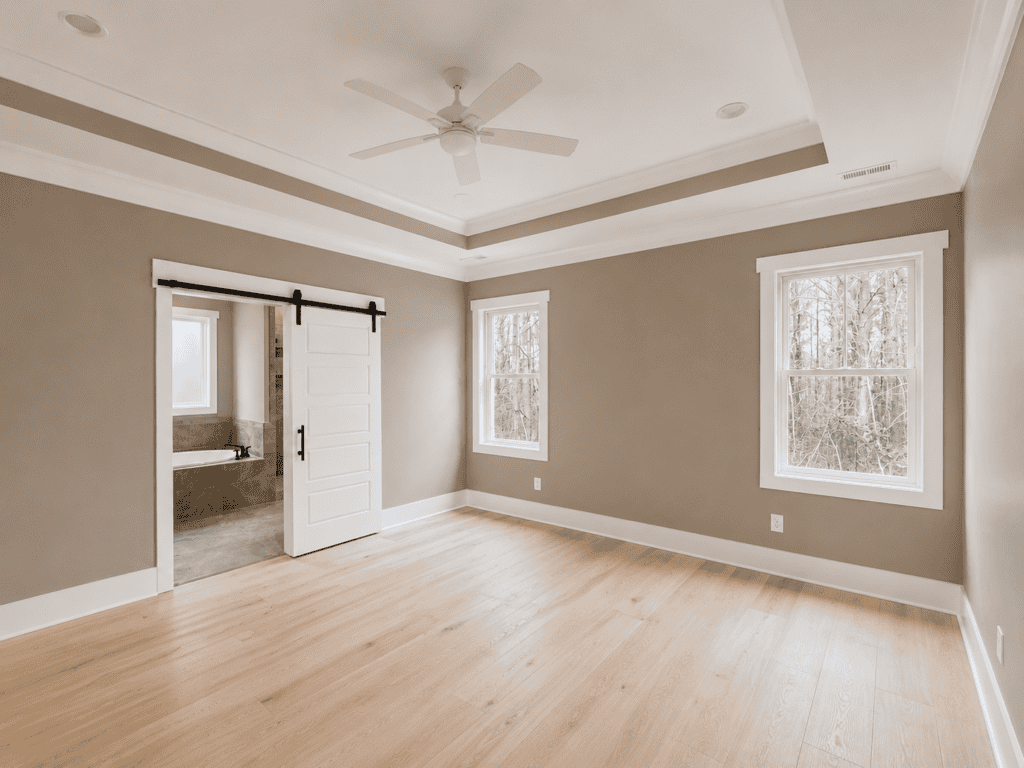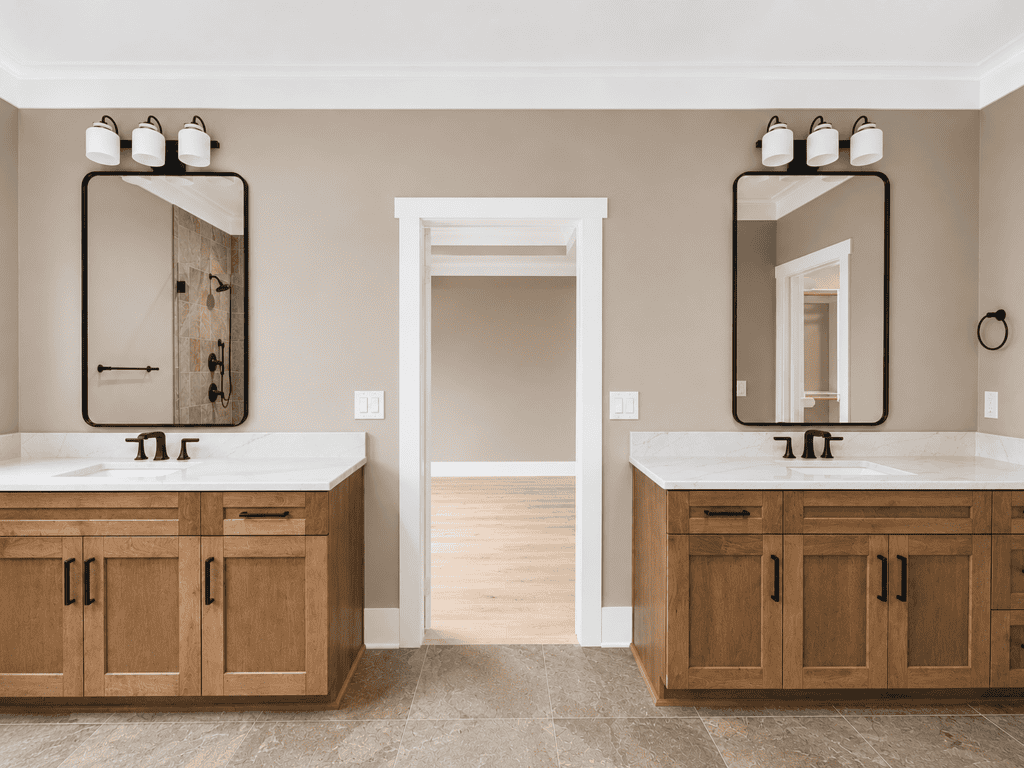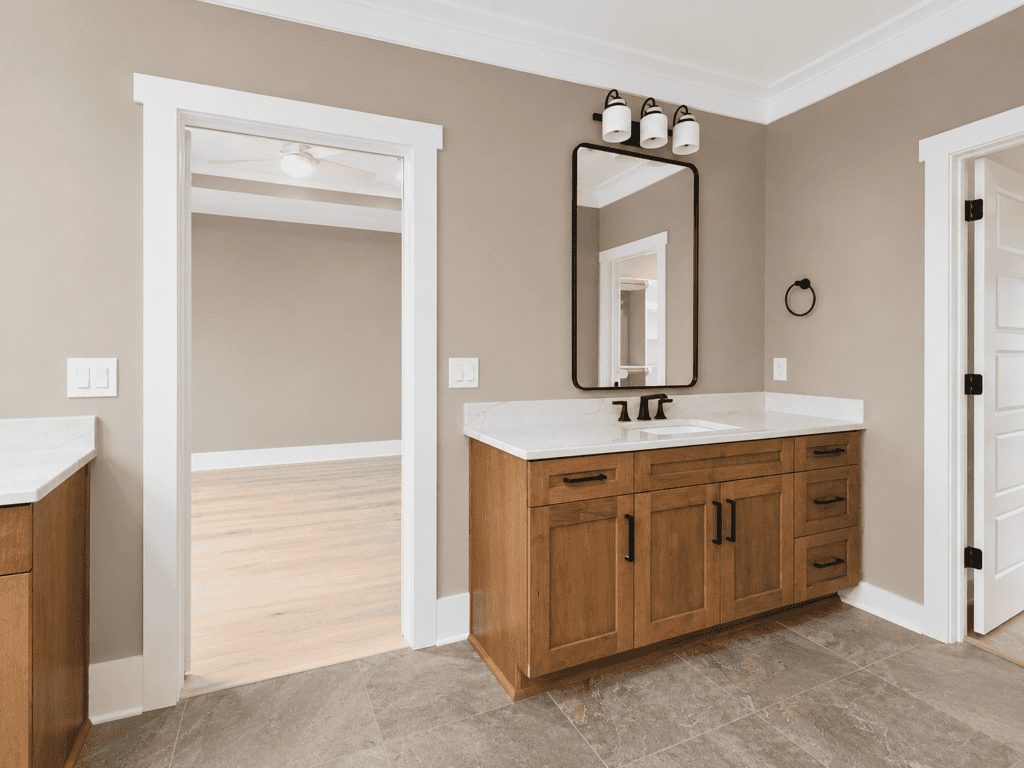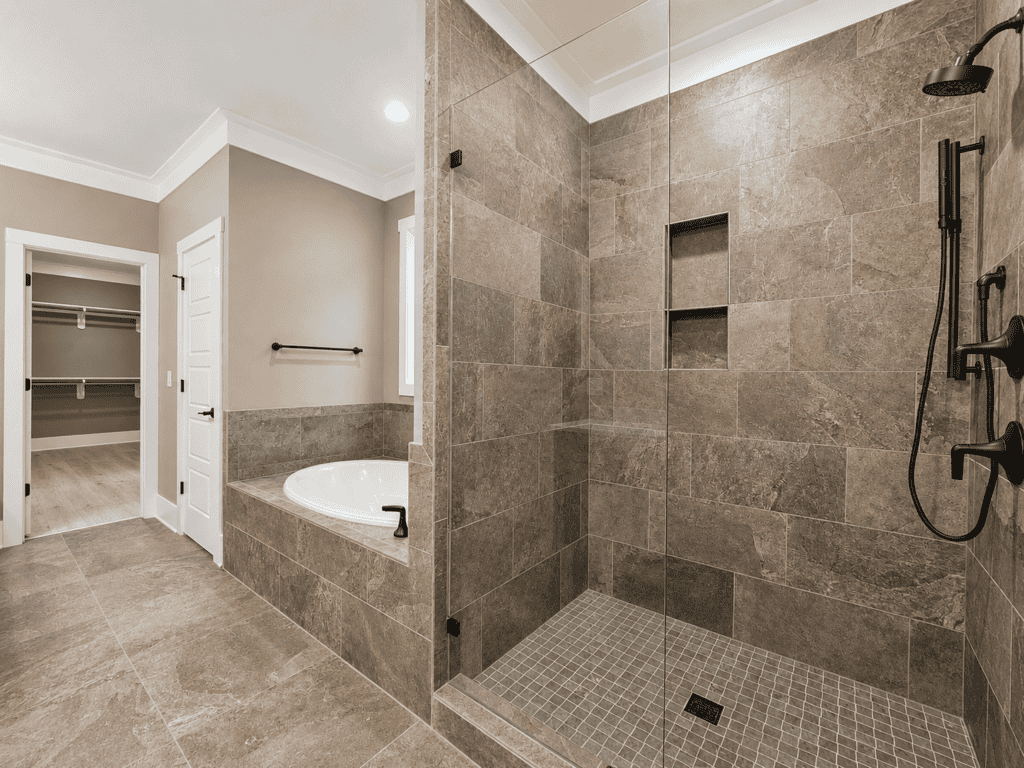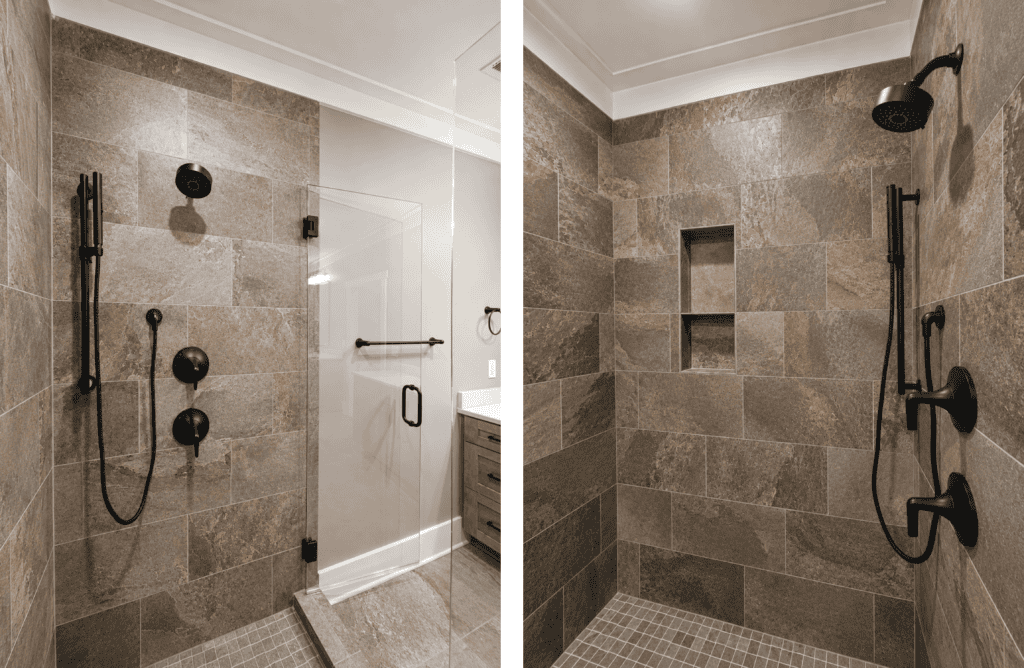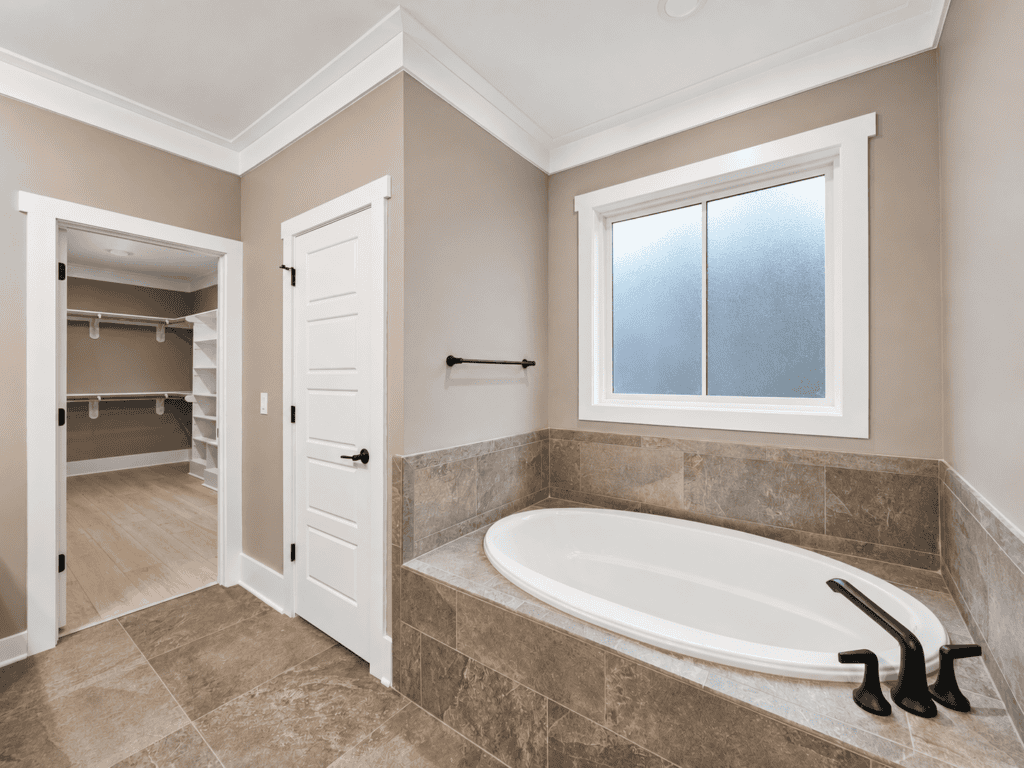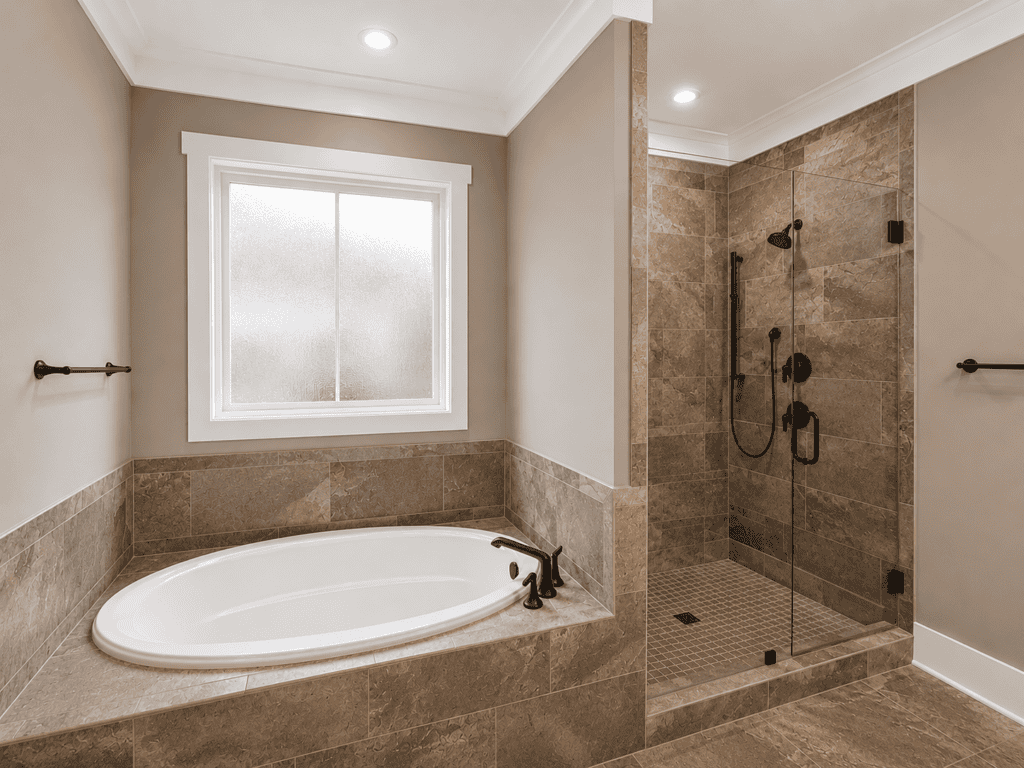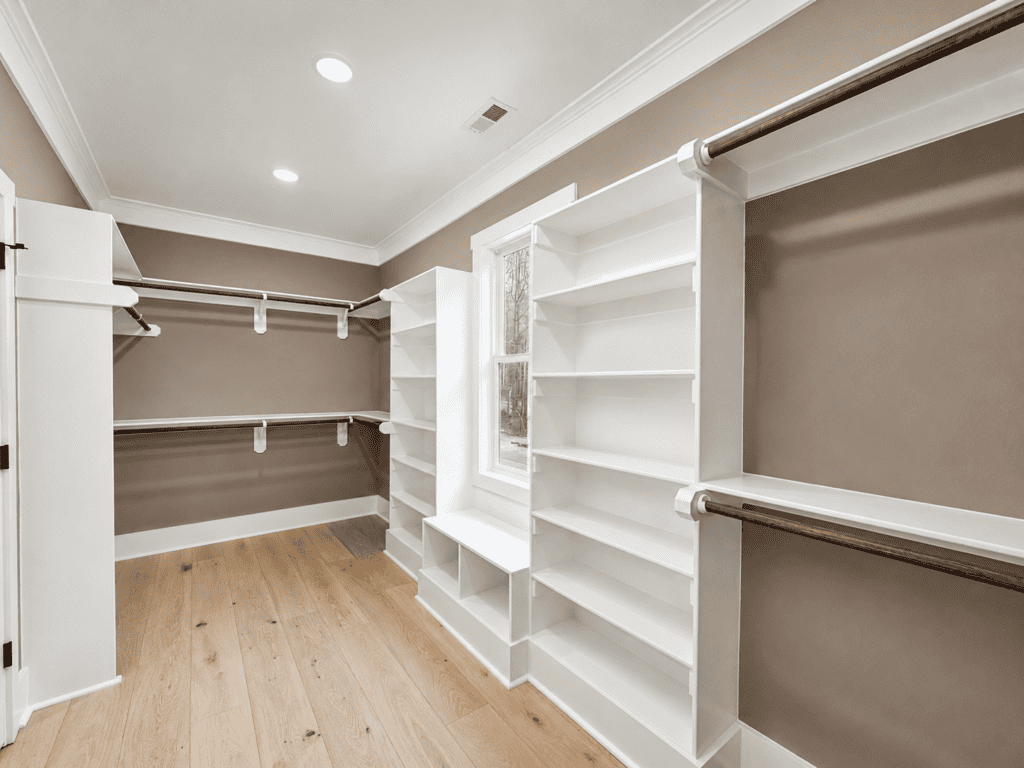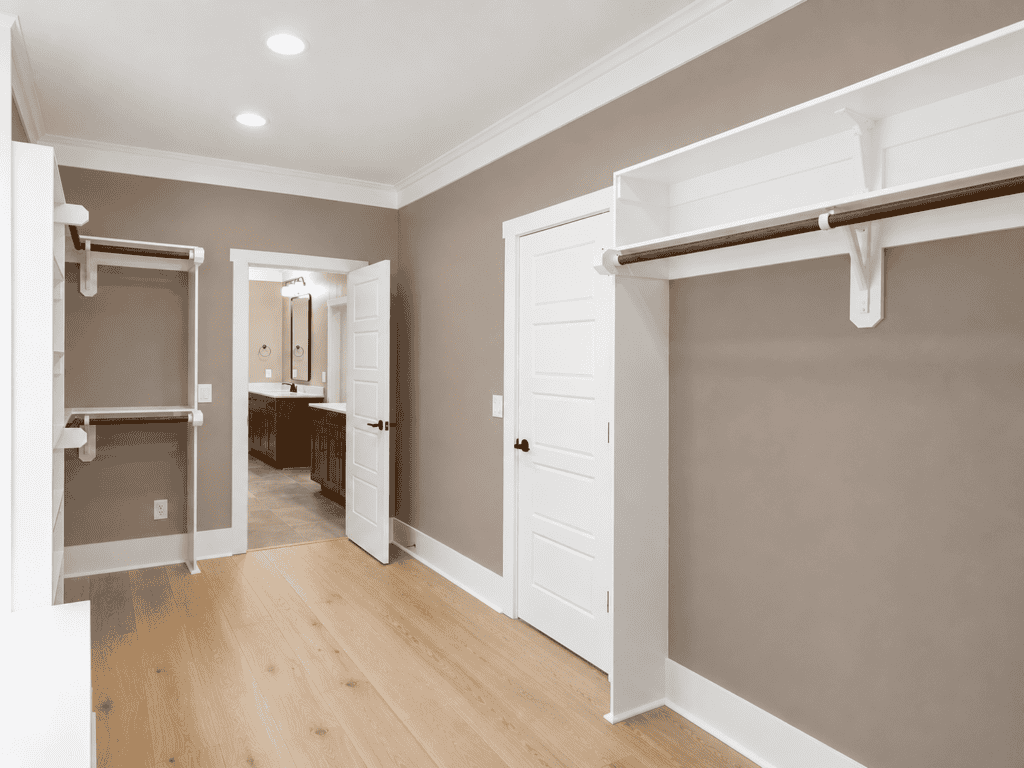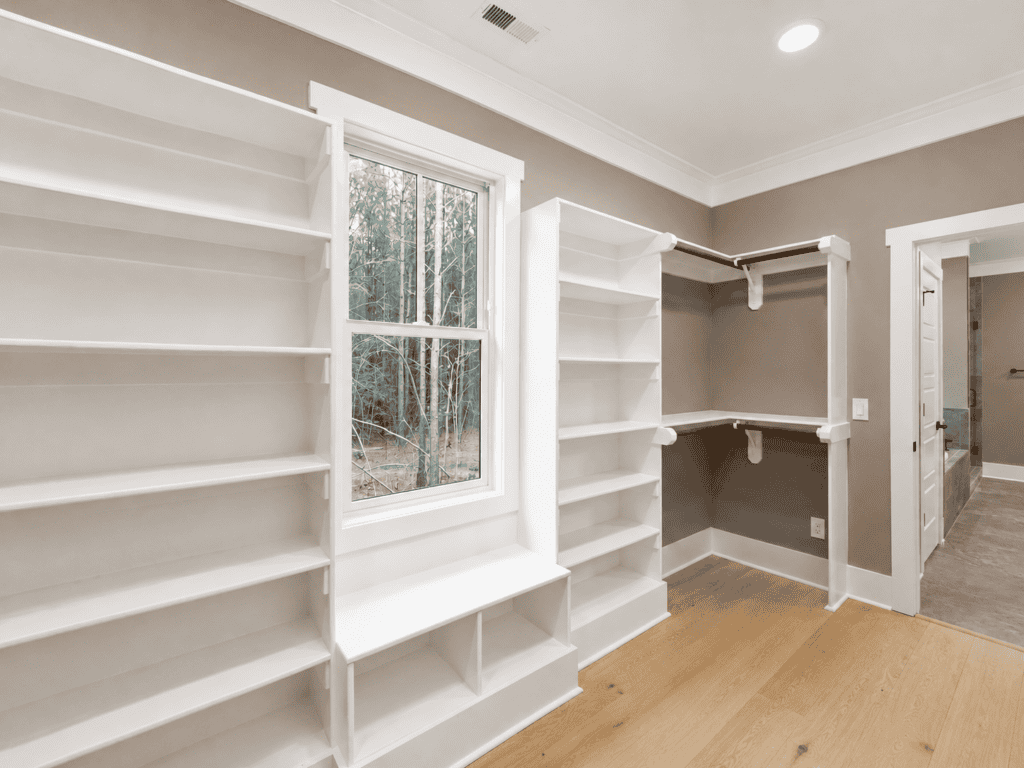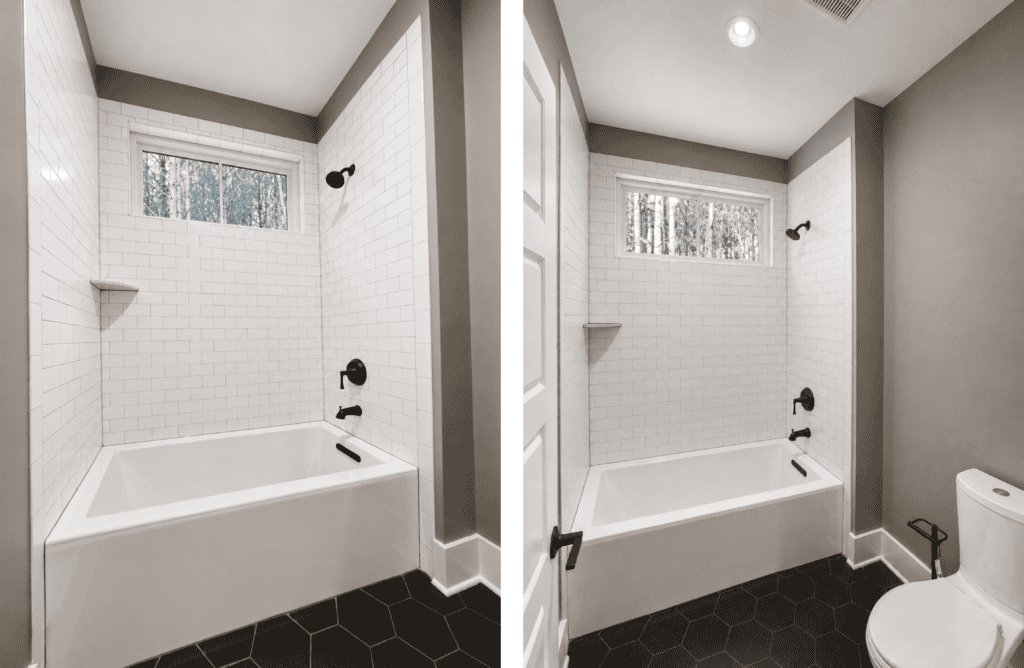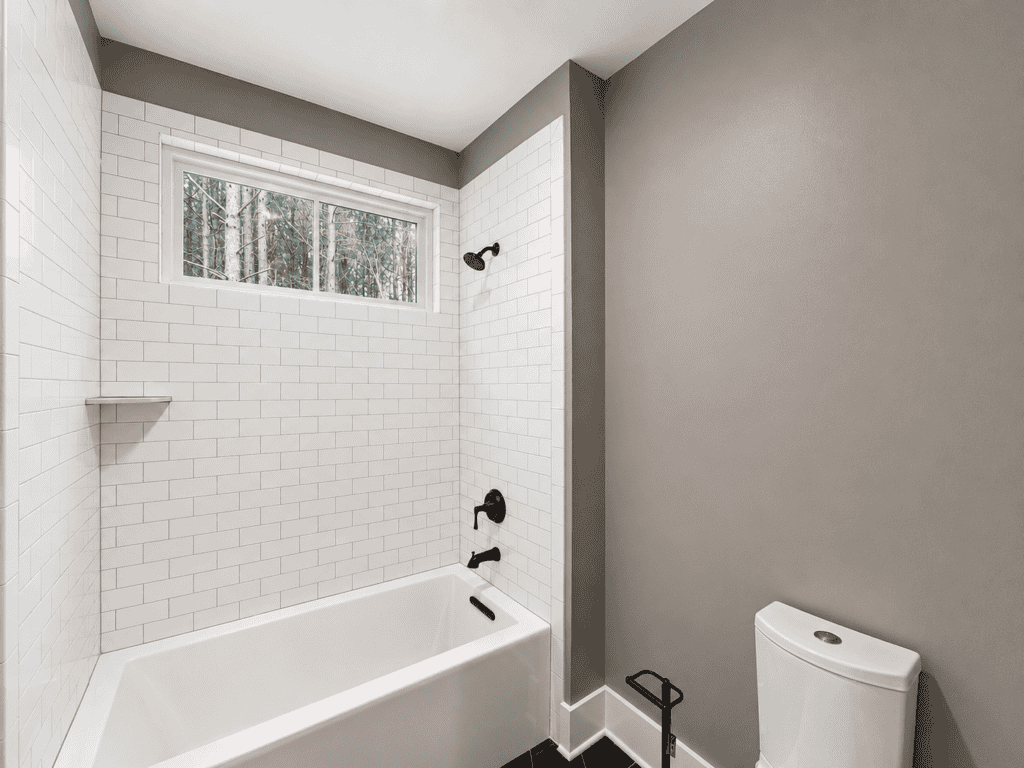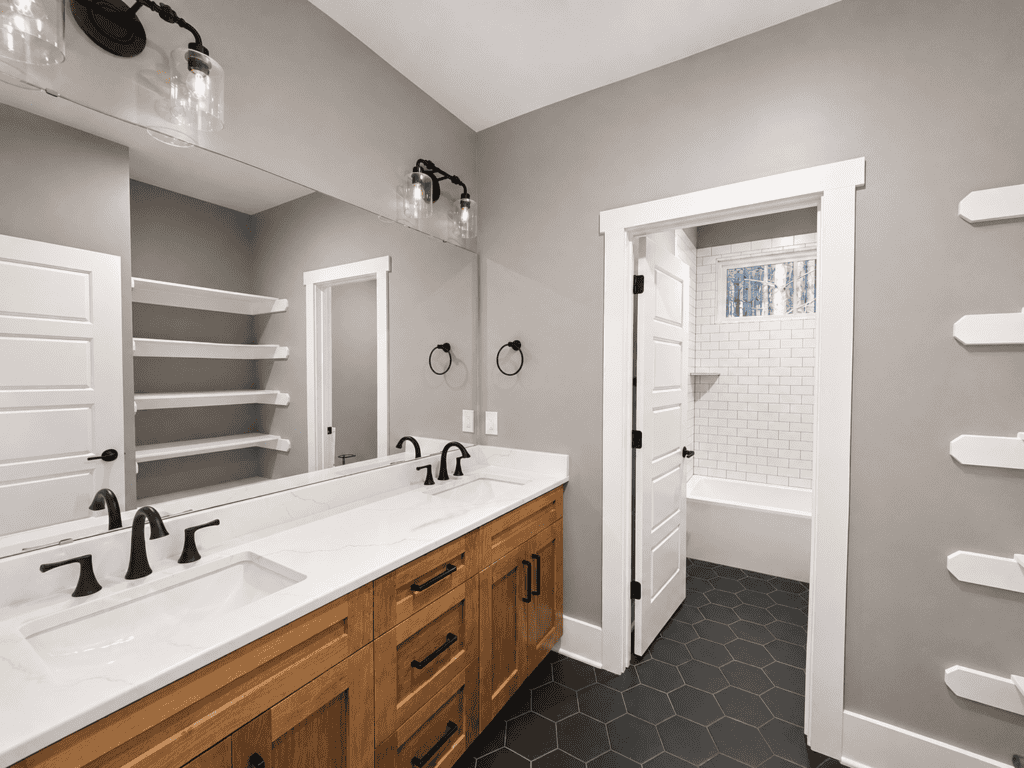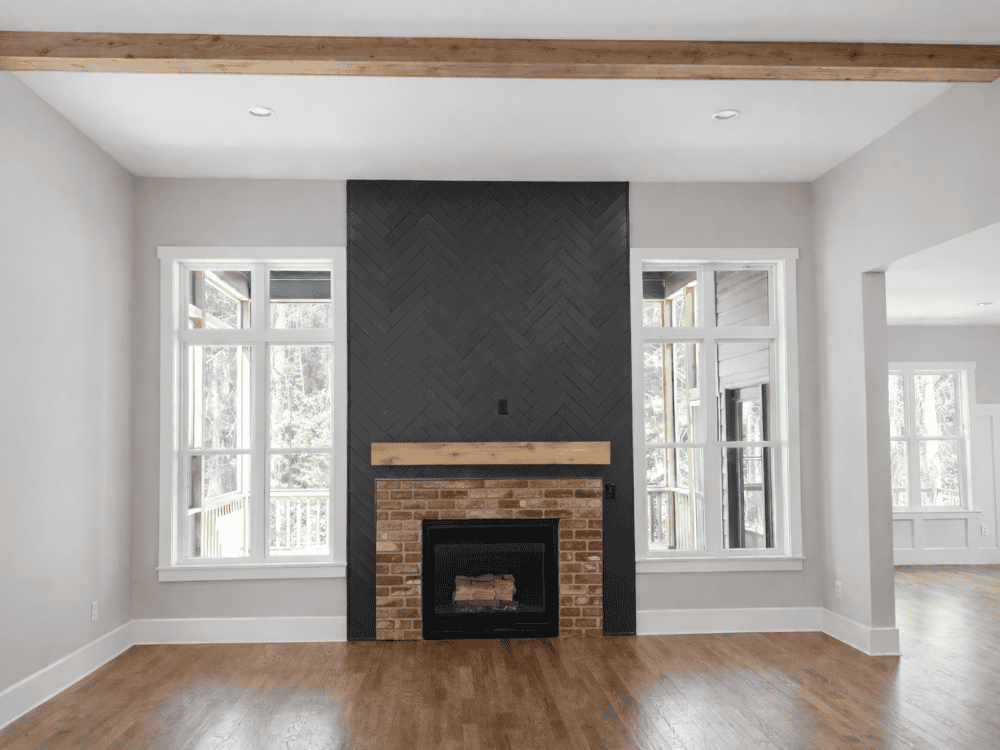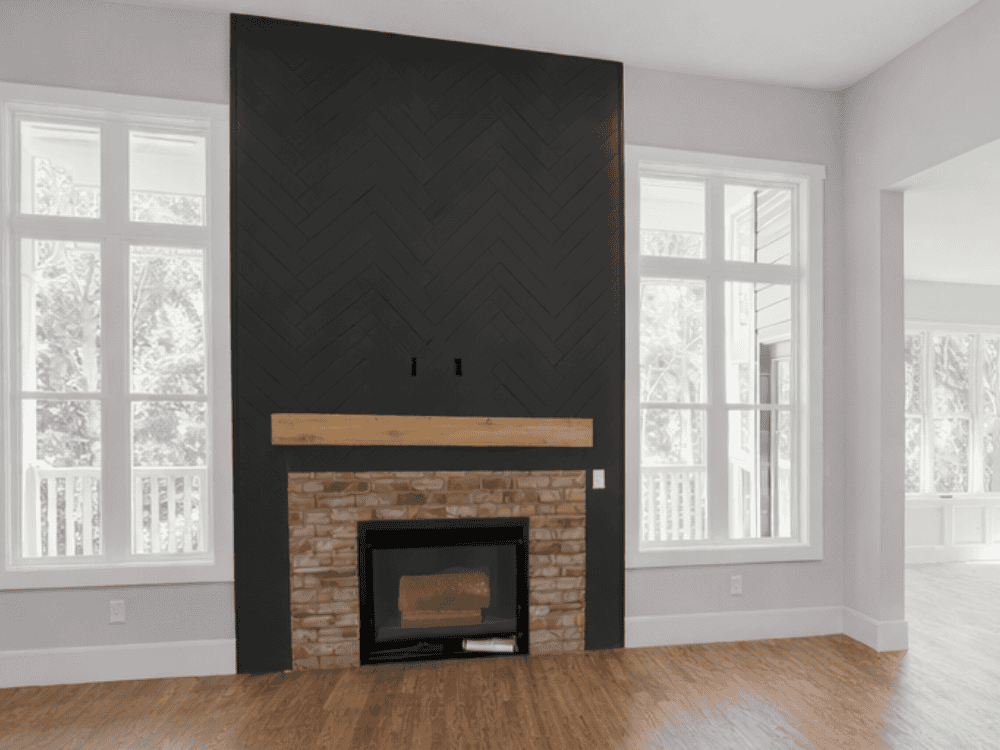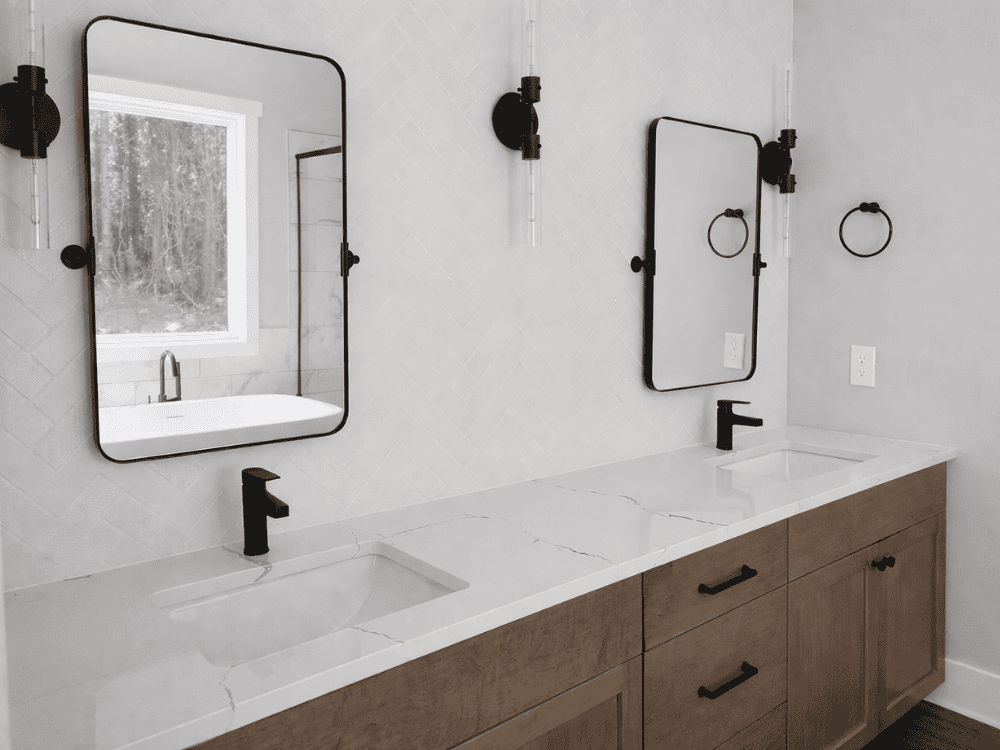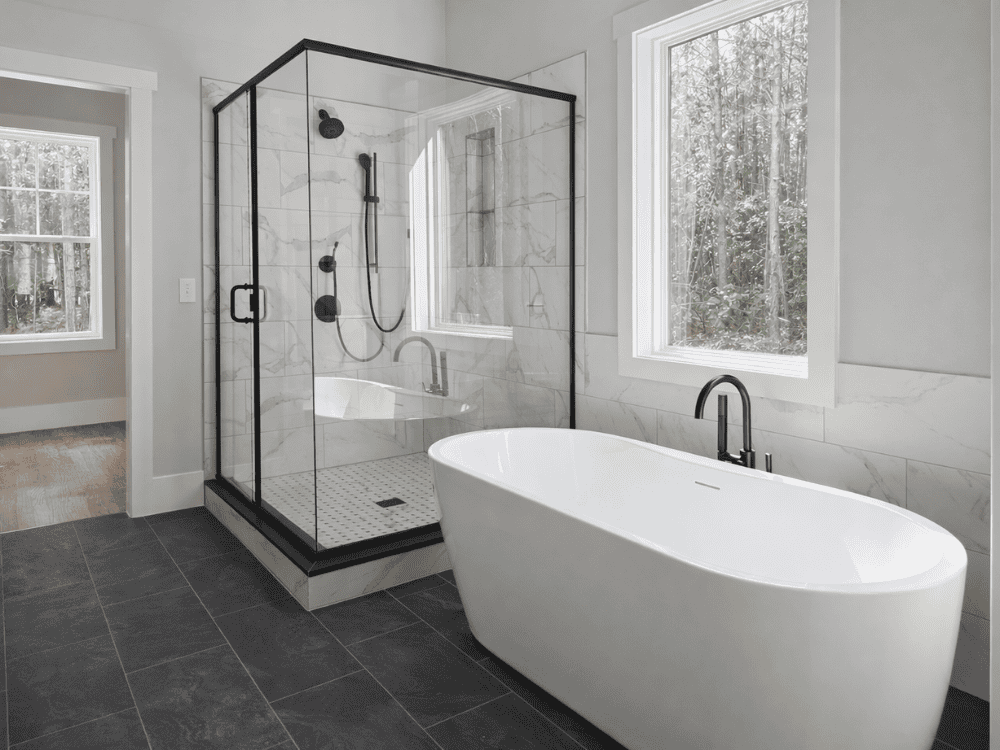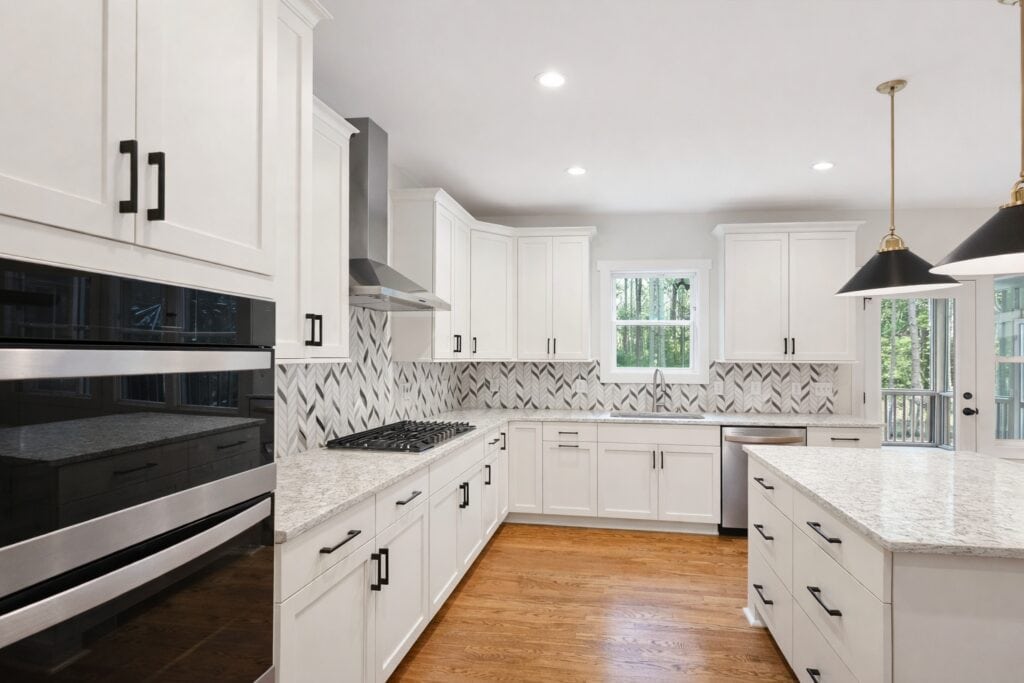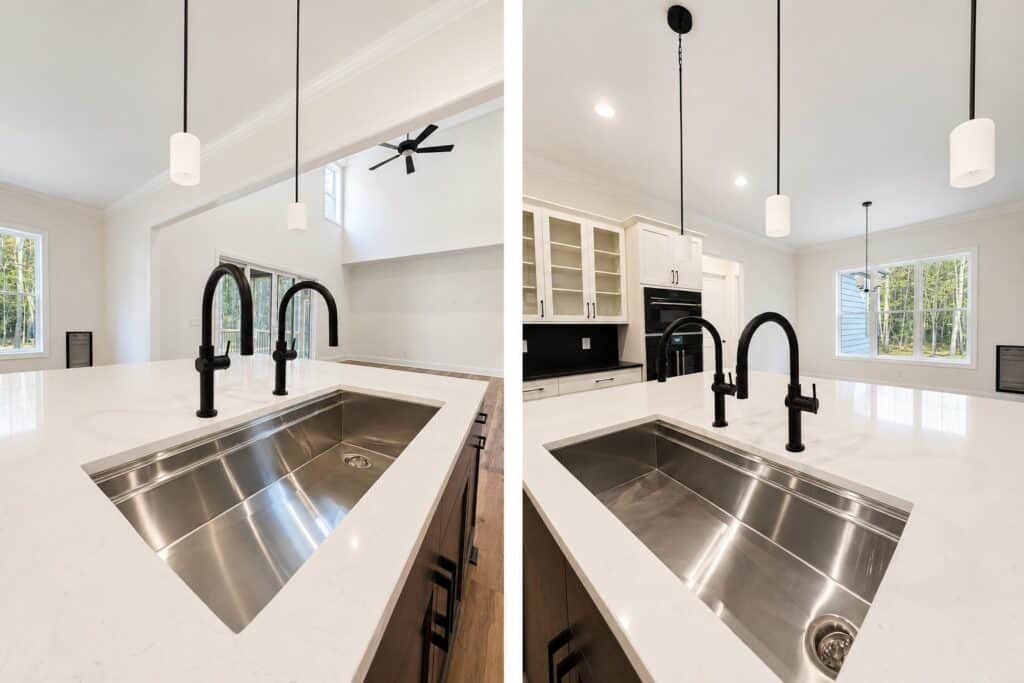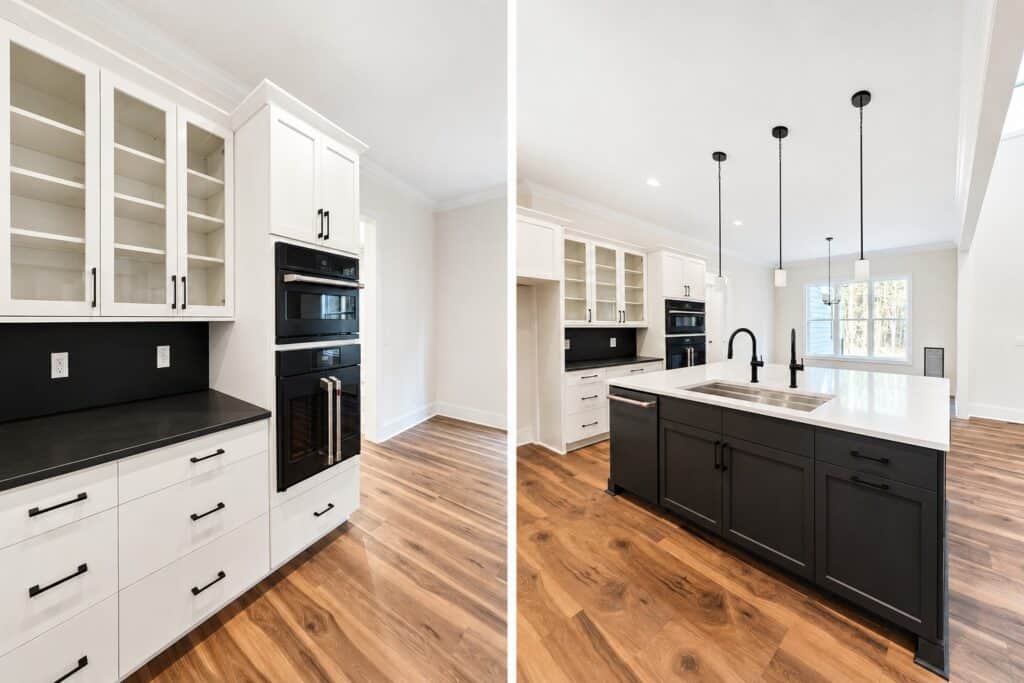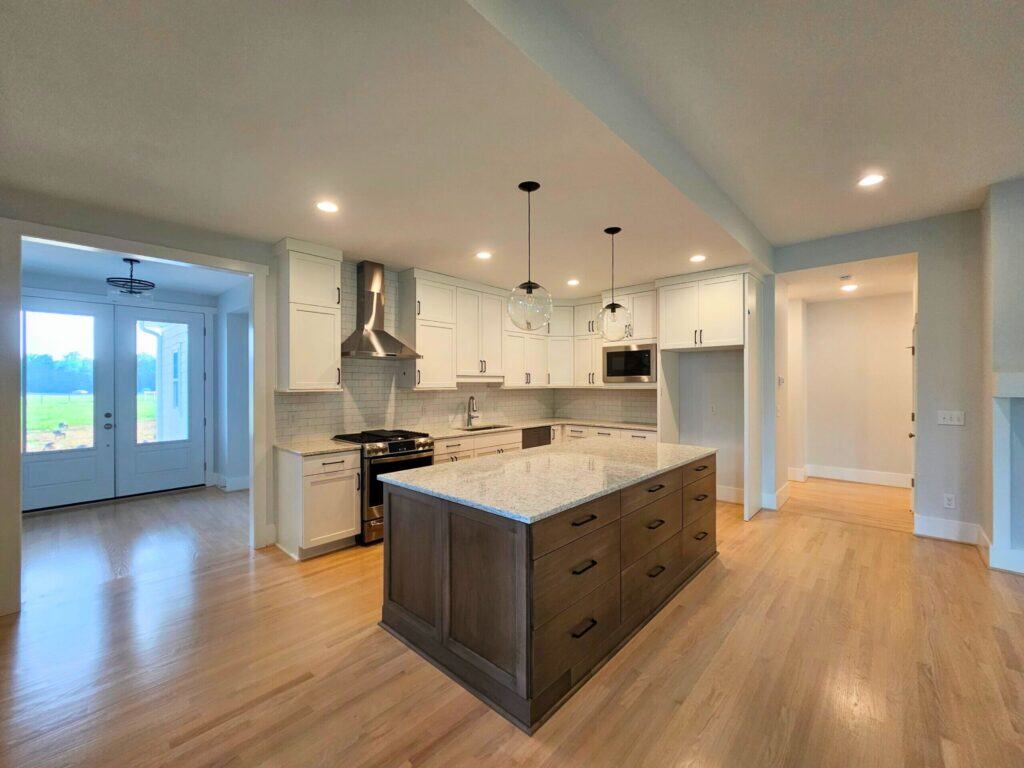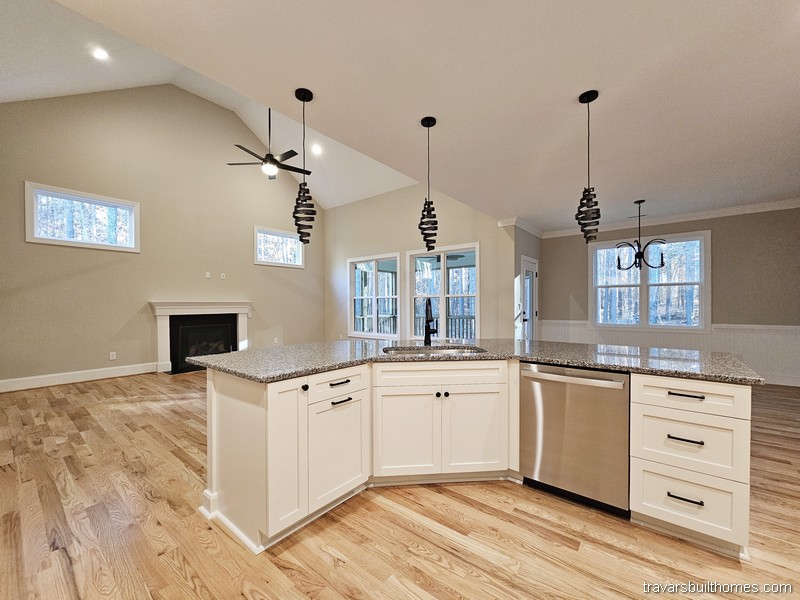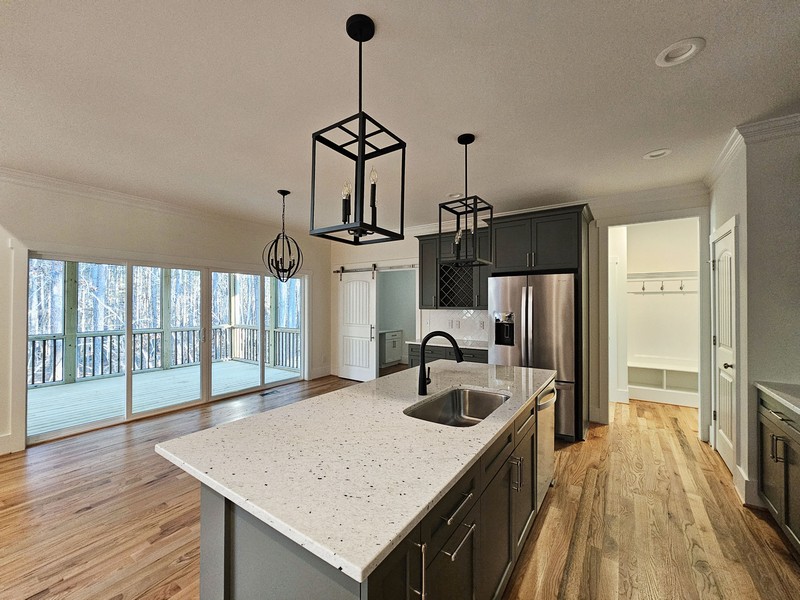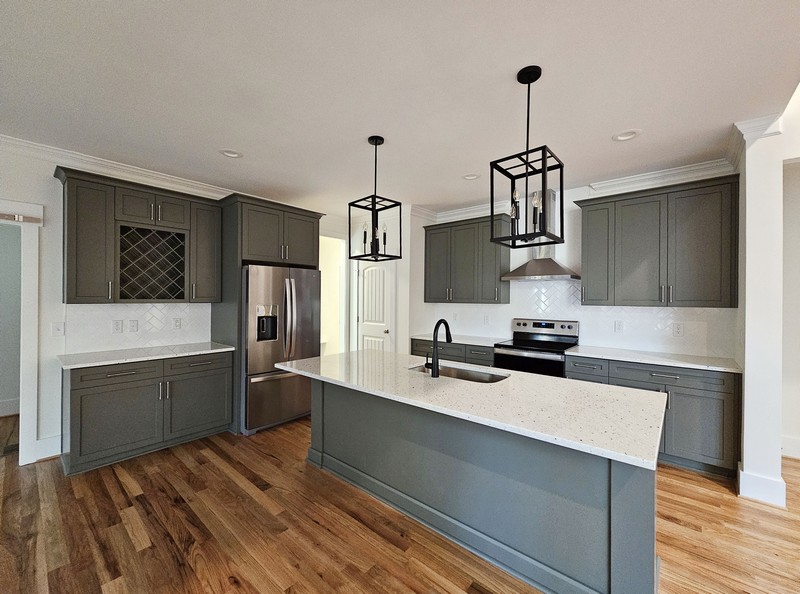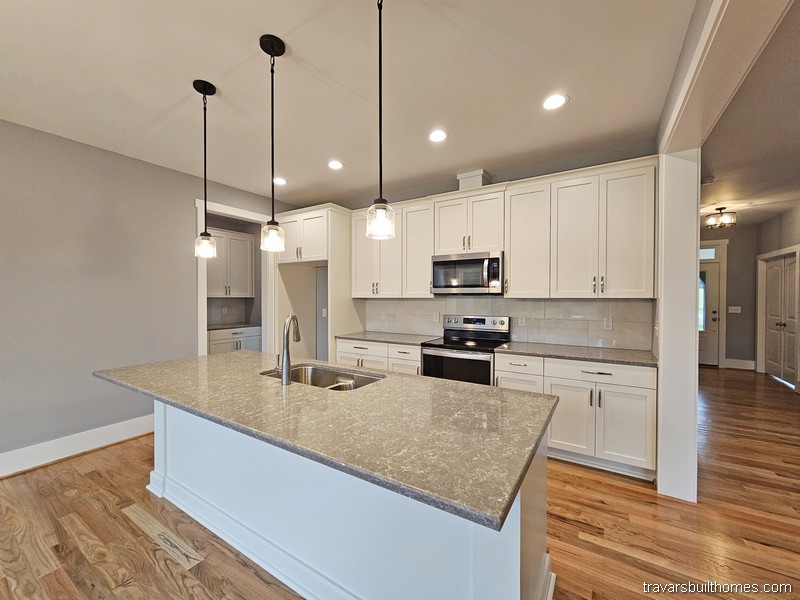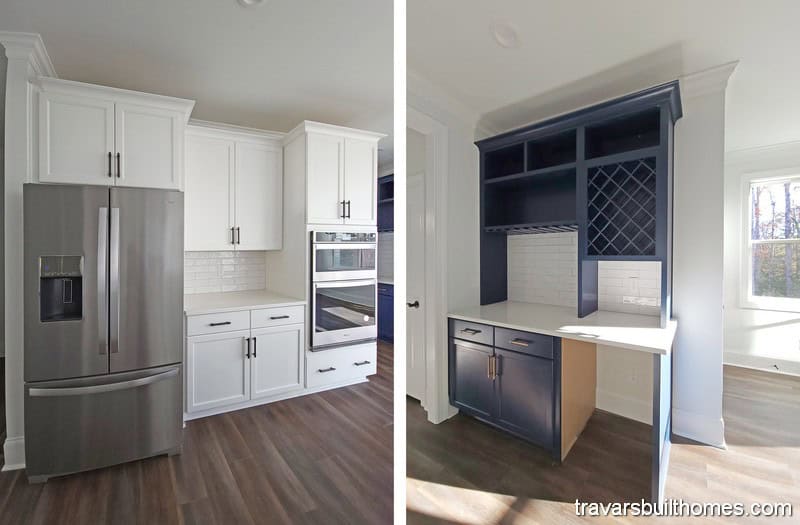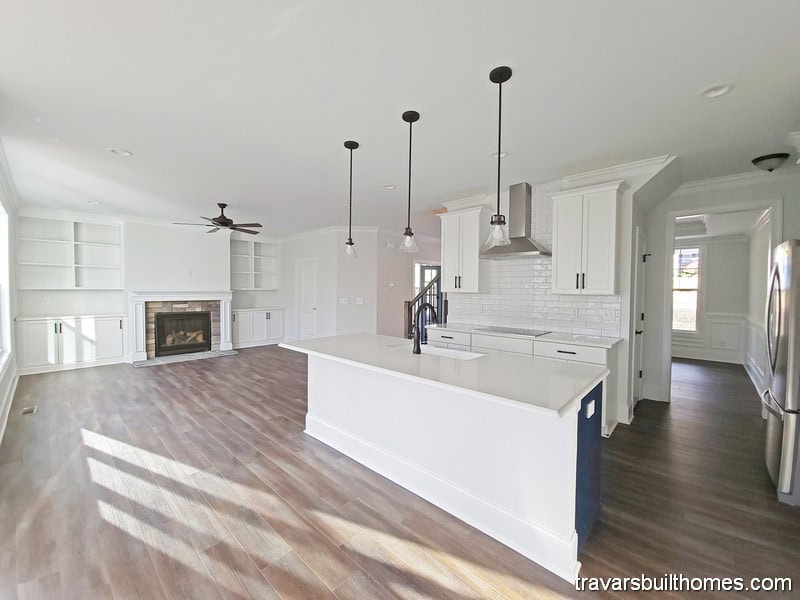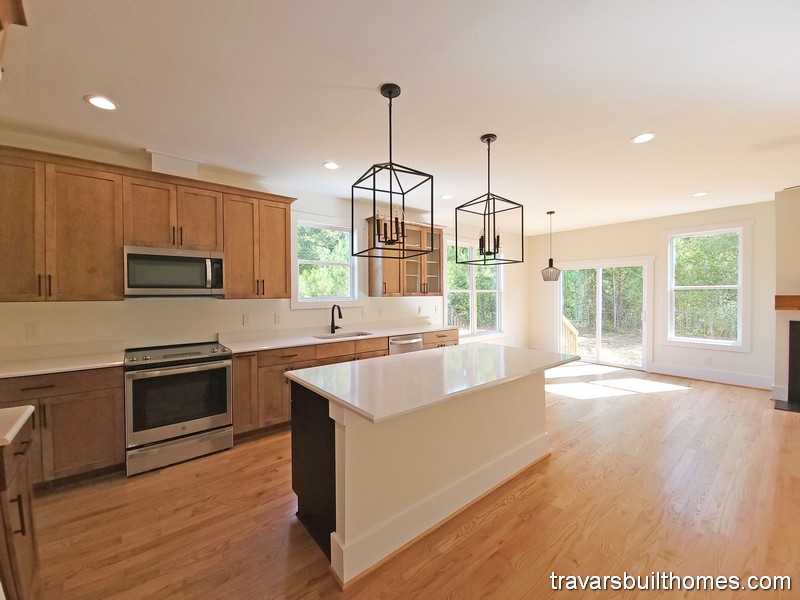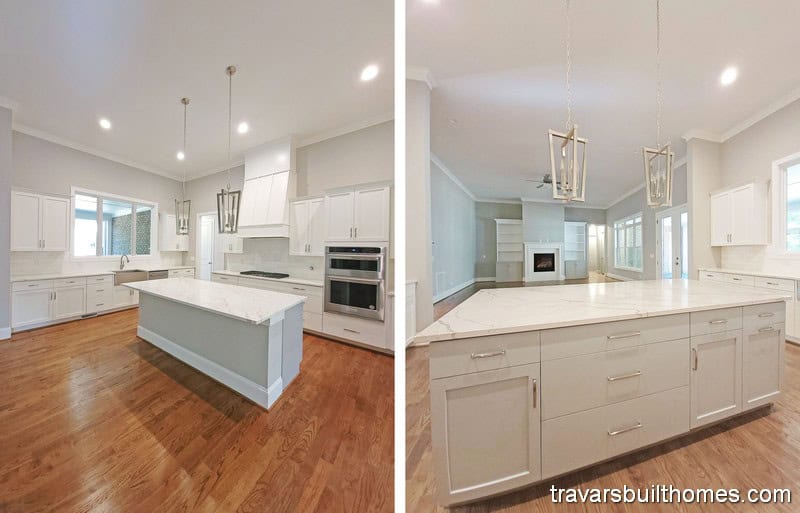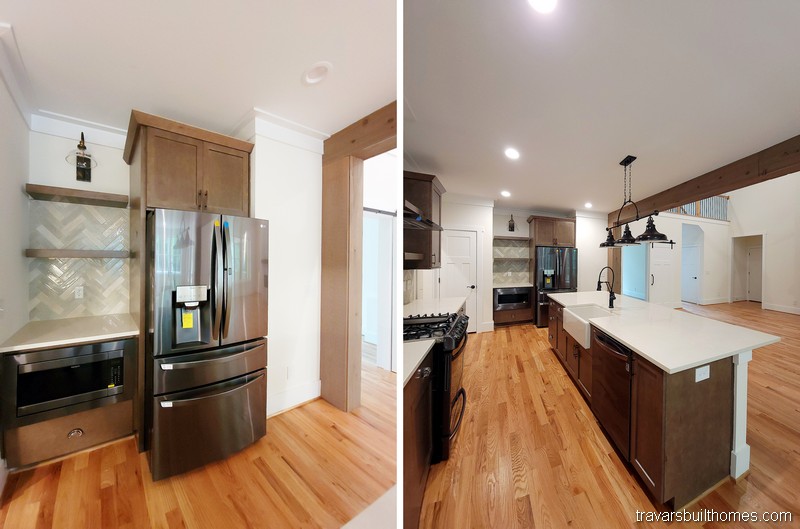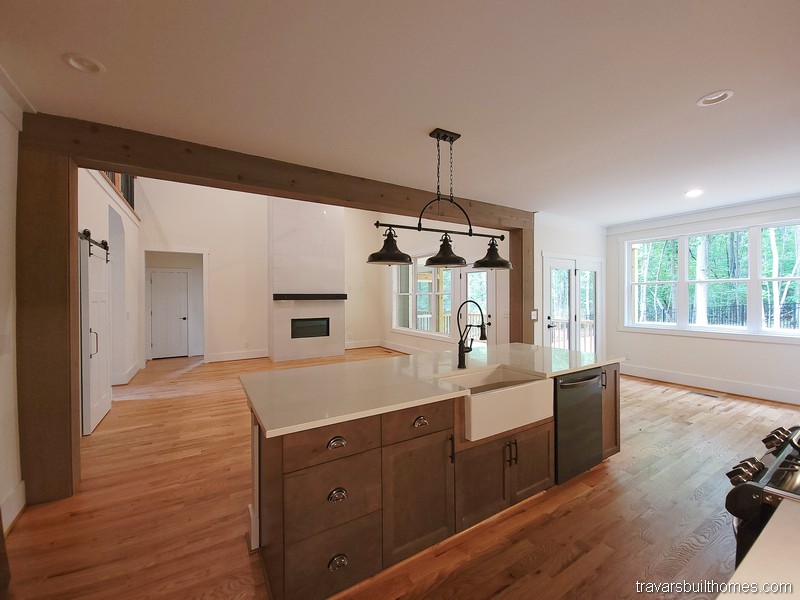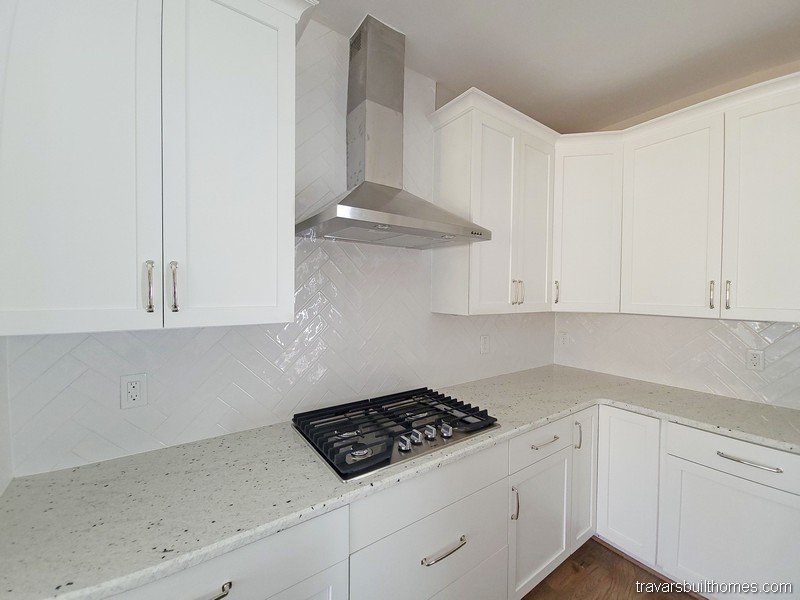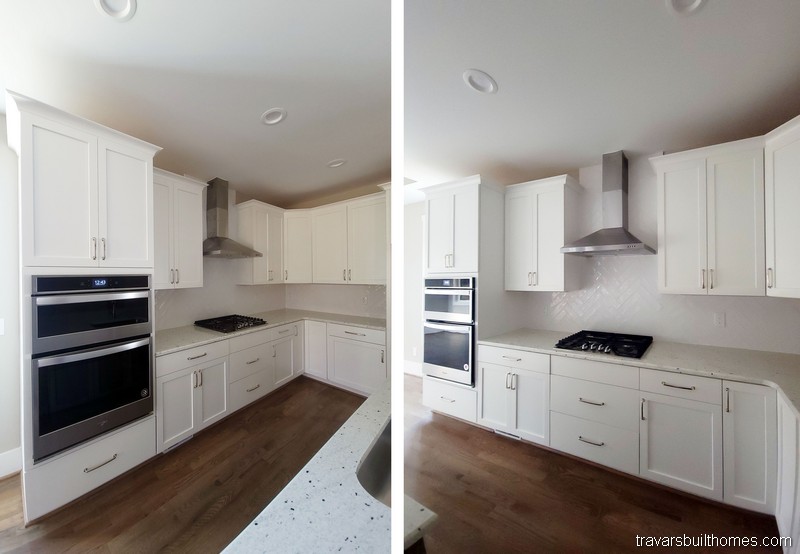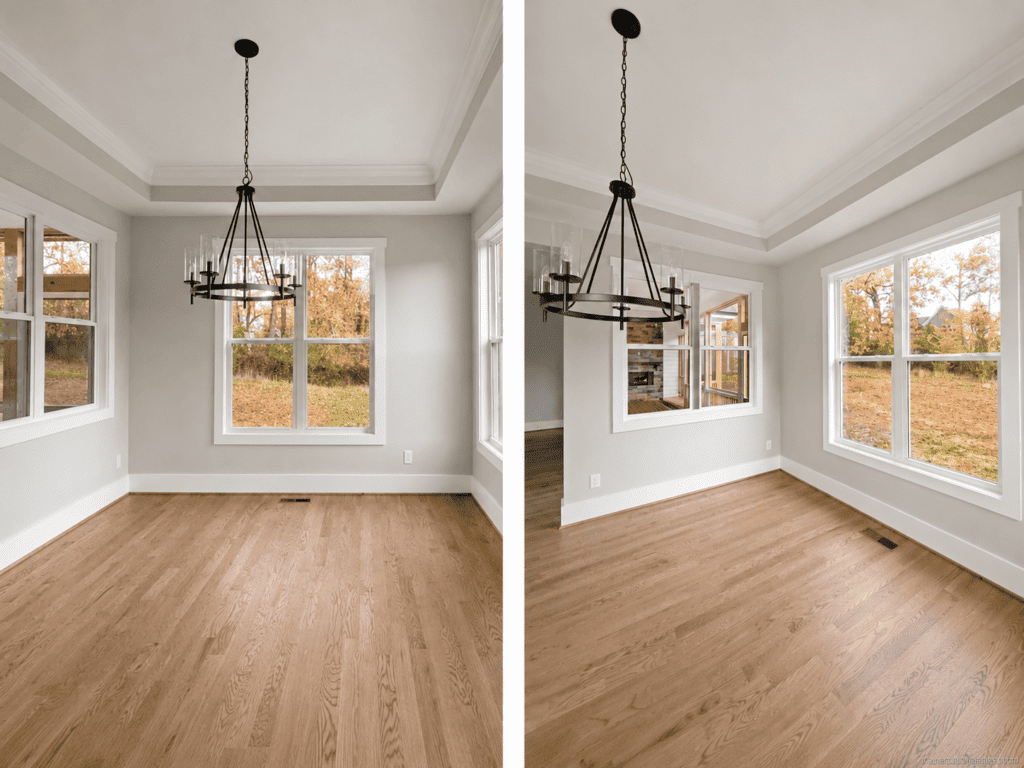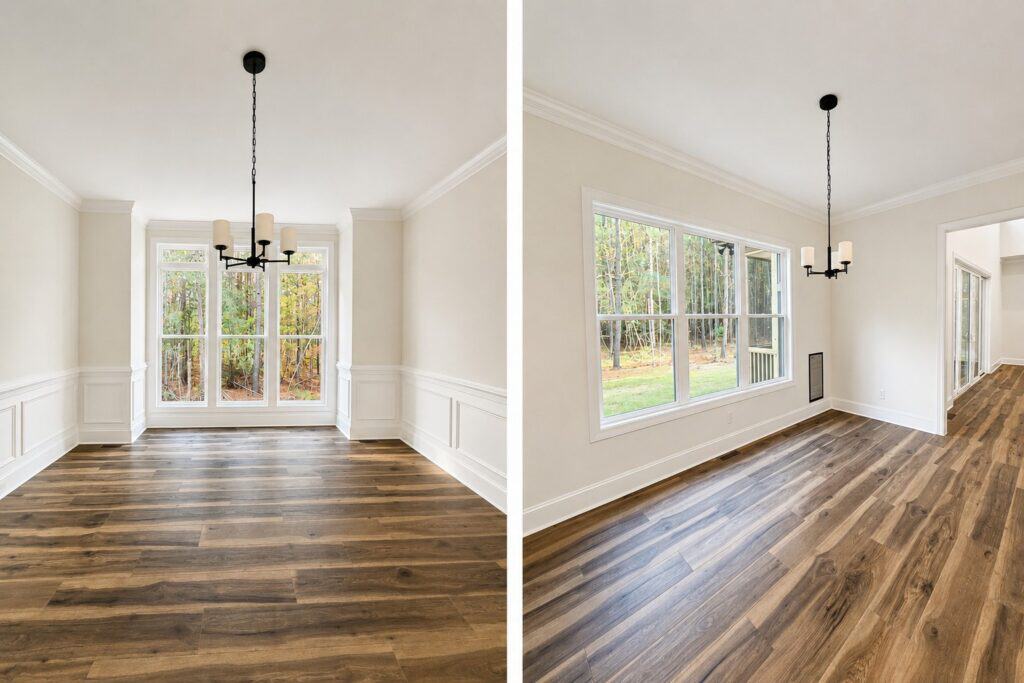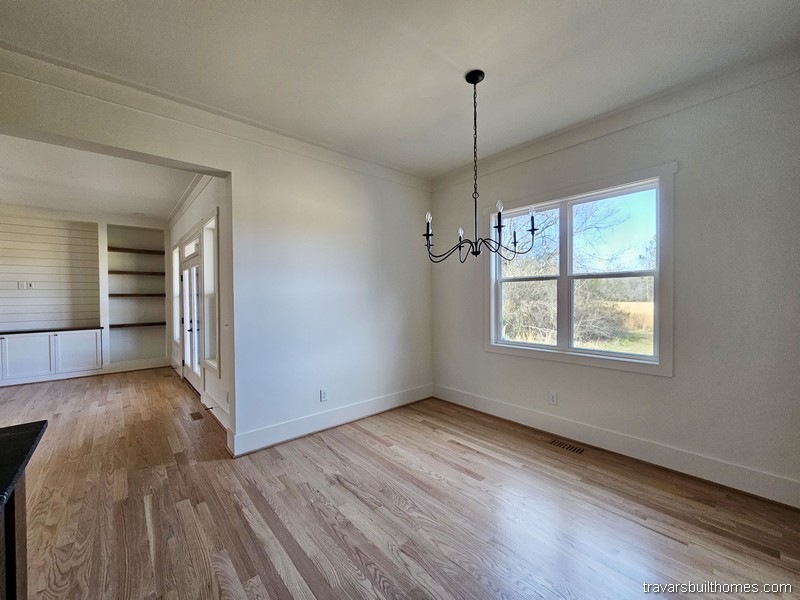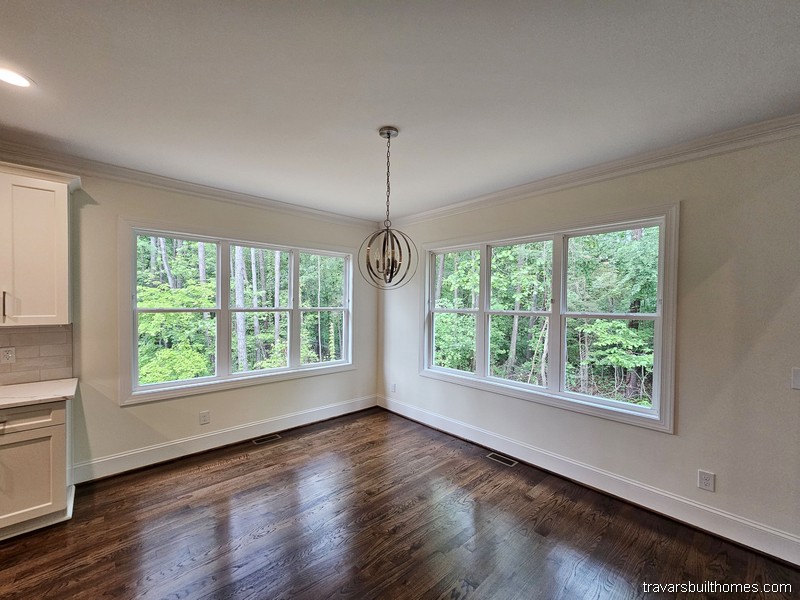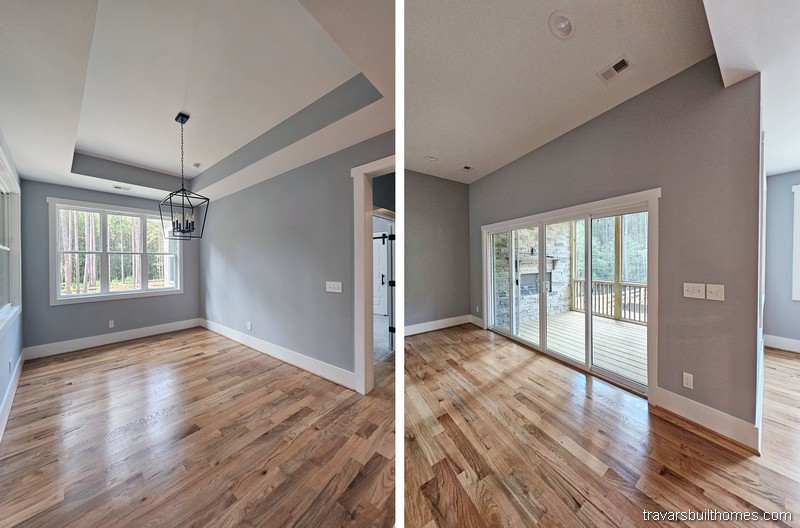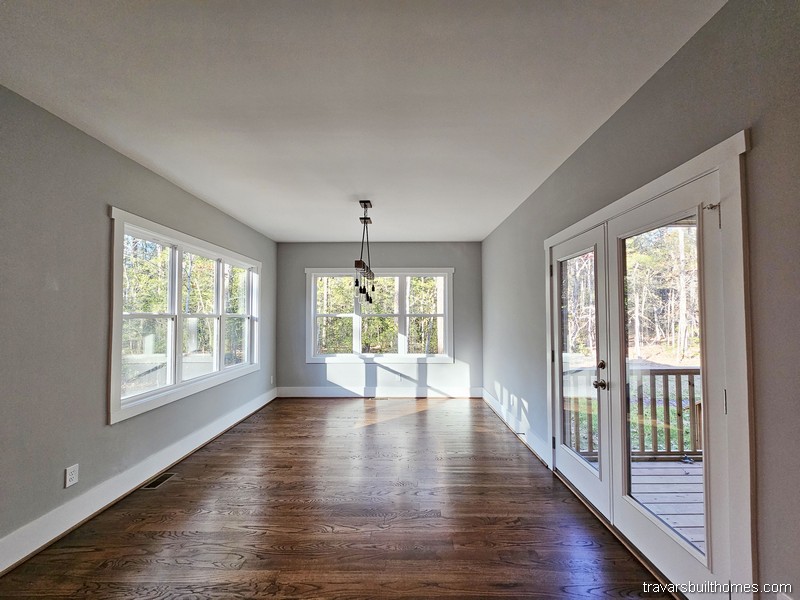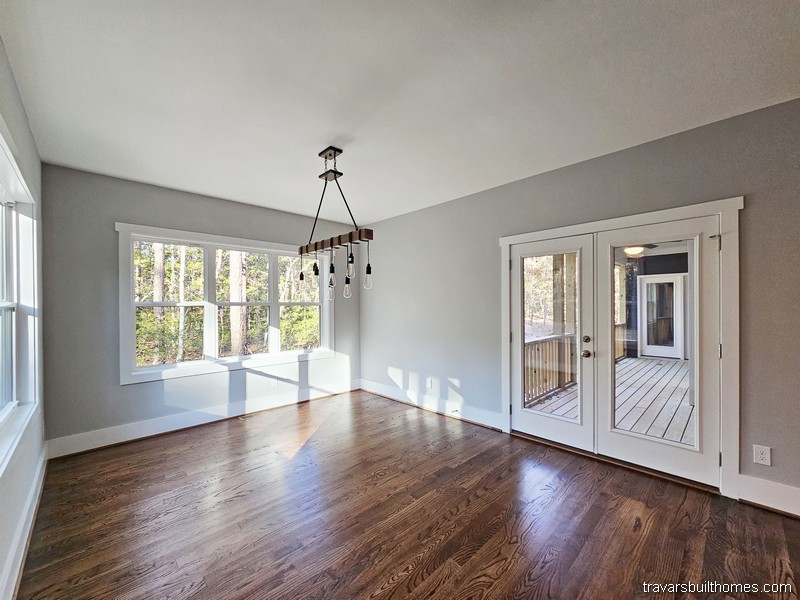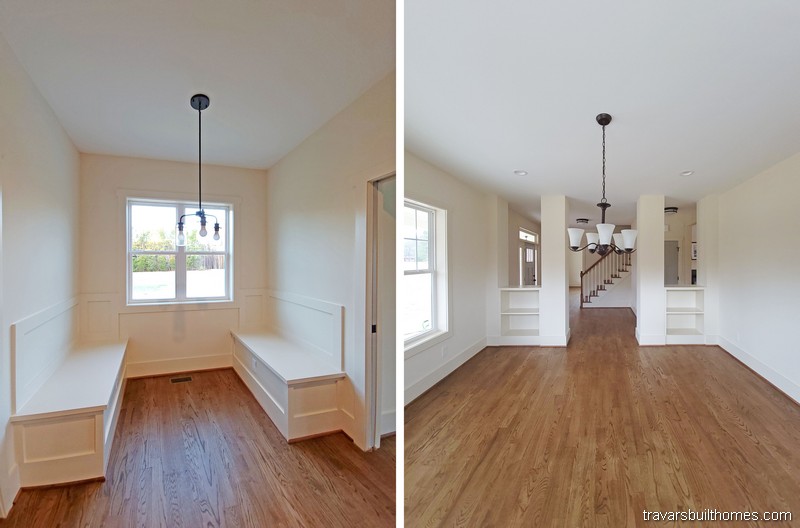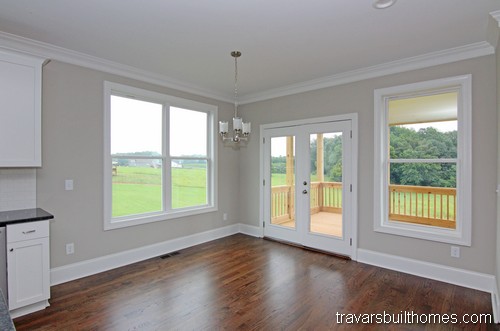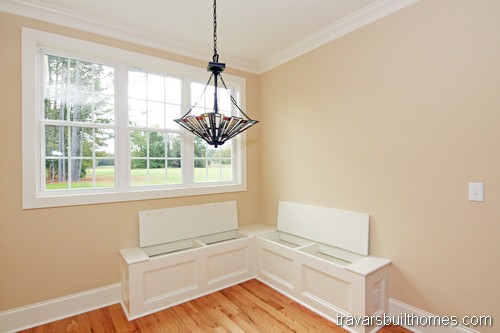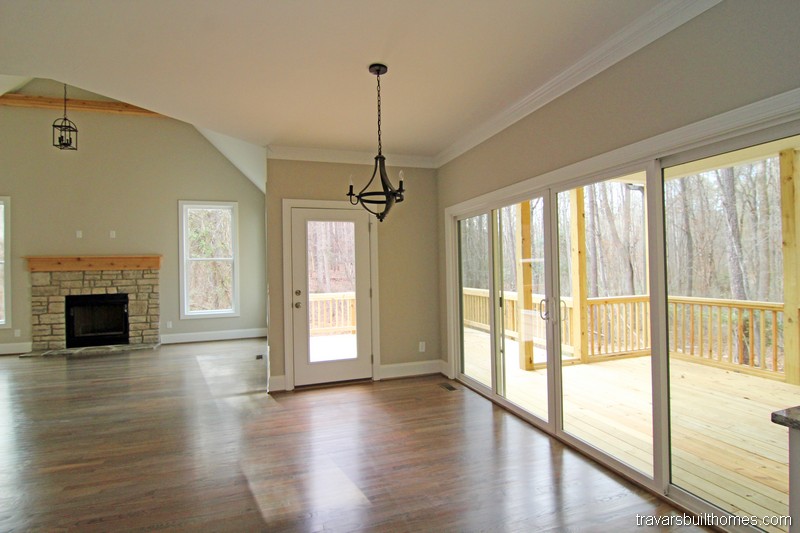
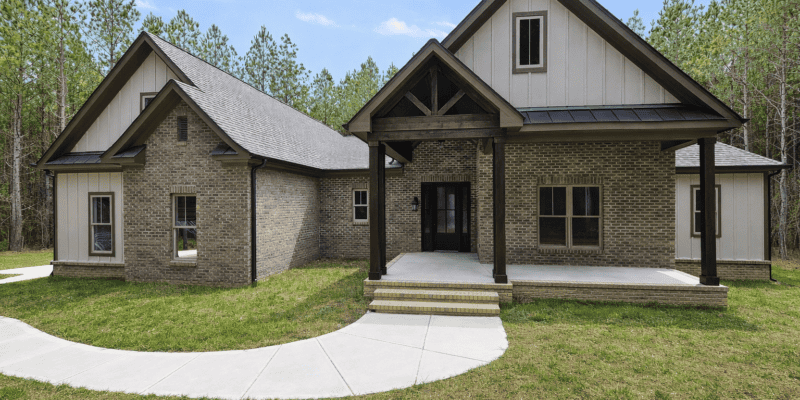
When you’re building a custom home in central NC, photos and progress updates are incredibly helpful. But they’re not a substitute for standing on the jobsite with your builder! As hands-on builders, we walk every home regularly, and we know how much clarity, confidence, and problem-solving happens only when everyone is physically in the space.
Below is a clear breakdown of why on-site walks matter, what you’ll gain from them, and how they help protect your timeline, budget, and design decisions.
Why Aren’t Photos Enough During Construction?
Photos are great for documenting progress, but they flatten information. Rooms, framing, and layouts simply don’t “read” the same in two dimensions. More importantly, construction-industry research consistently shows that owner–builder communication quality directly impacts project satisfaction and the likelihood of change orders.

What Do You See In-Person That You Can’t See in Photos?
1. Depth, proportion, and sightlines
Standing in the framed home allows you to understand scale in a way photos cannot. This aligns with findings from residential construction quality studies by HUD, which emphasize the importance of field verification during construction phases.
2. Mechanical and structural elements
Pre-drywall walks allow you to physically trace HVAC runs, plumbing, wiring, and framing before they’re concealed. On-site inspection is a best practice emphasized by NAHB to reduce rework and misalignment.
3. Natural light
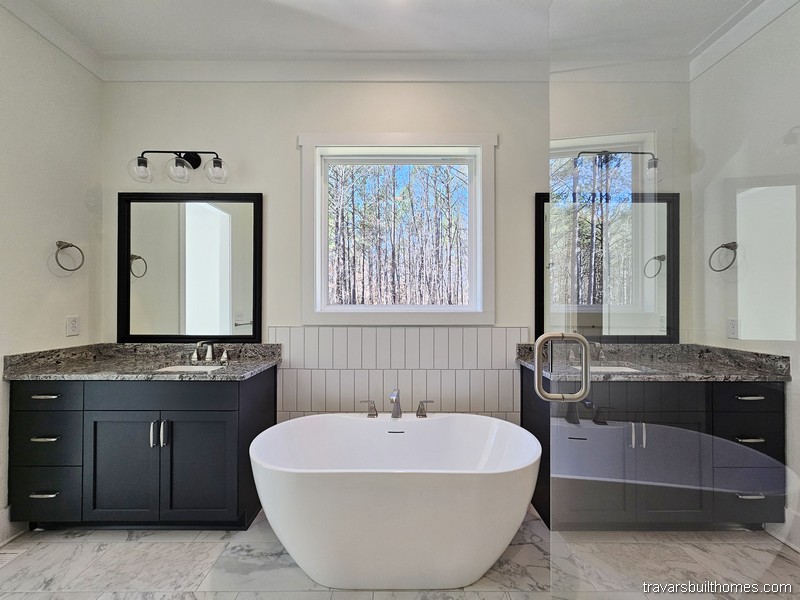
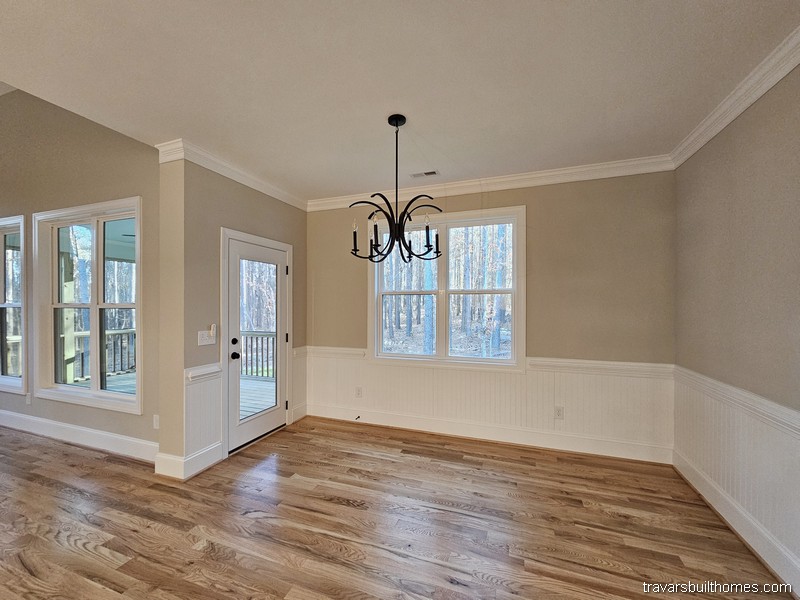
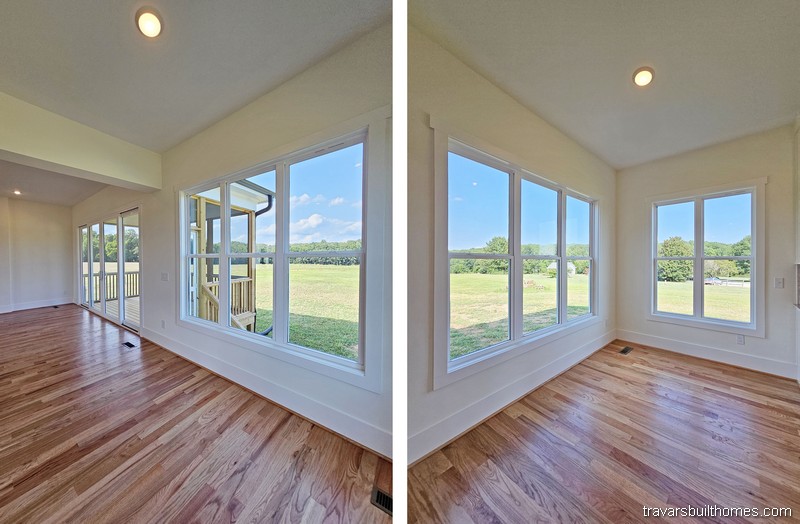
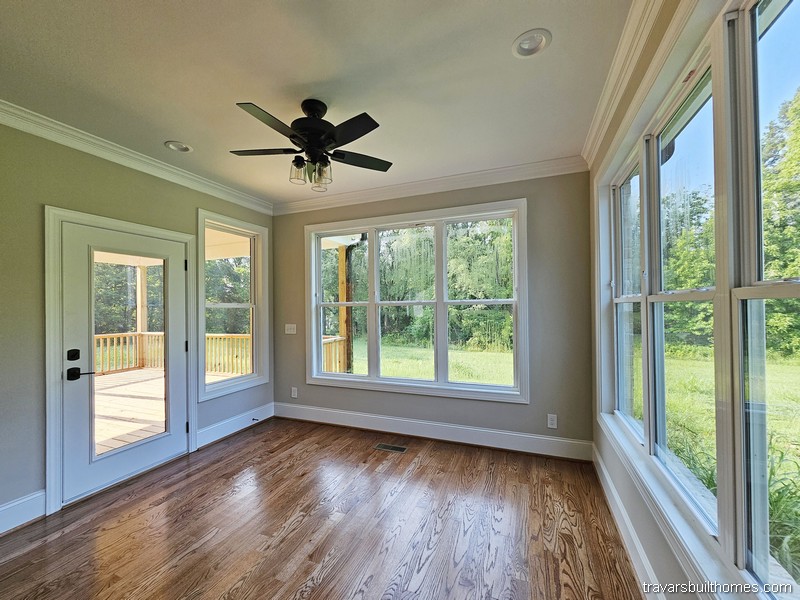
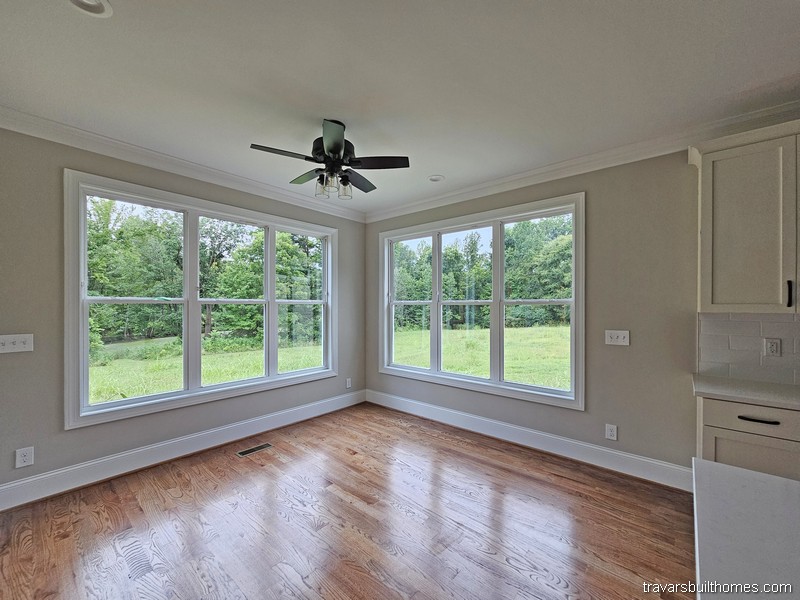
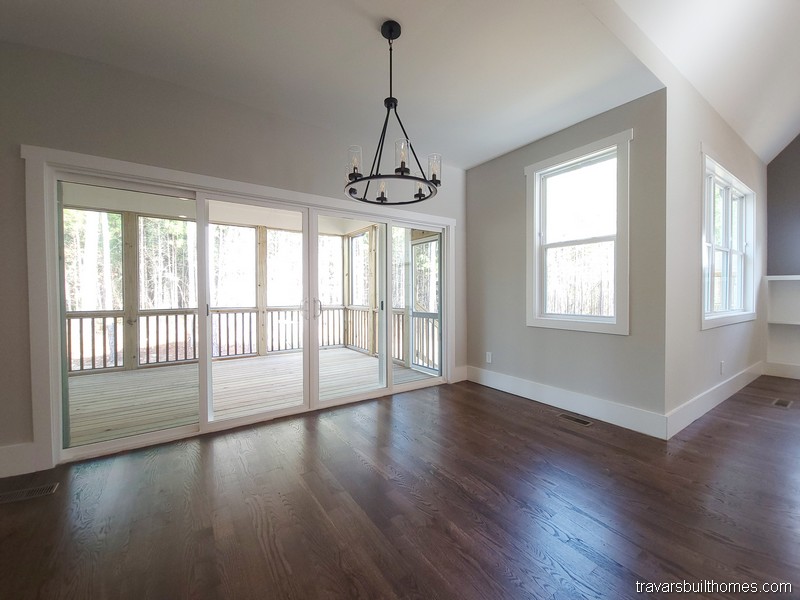
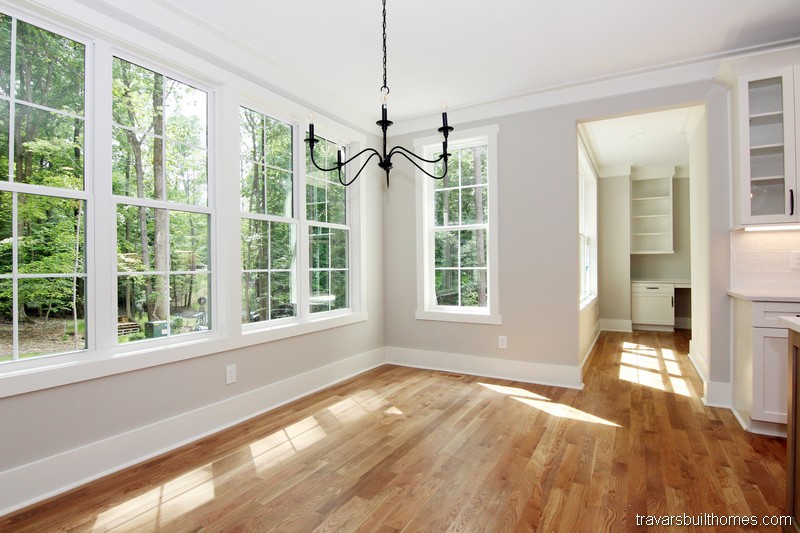
Seeing how light moves through the home requires being in the space. This is especially true in rural or wooded areas throughout Chatham, Alamance, and Orange counties, where slopes and tree cover affect interior daylighting.
How Do On-Site Walks Improve Communication With Your Builder?
Even with detailed photos, some questions require more than a static image. During on-site walks, we can point to specific framing, show alignments, review structural changes, and make decisions collaboratively — something communication studies repeatedly confirm leads to better construction outcomes.
This supports what we see on the ground: clarity increases dramatically when everyone is physically examining the same element of the home.

What Happens If You Skip Walks and Rely Only on Photos?
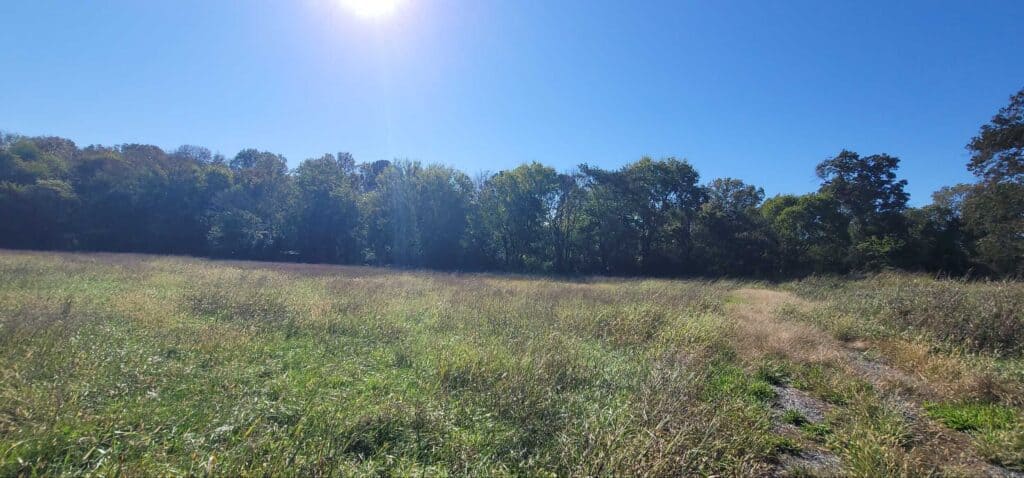
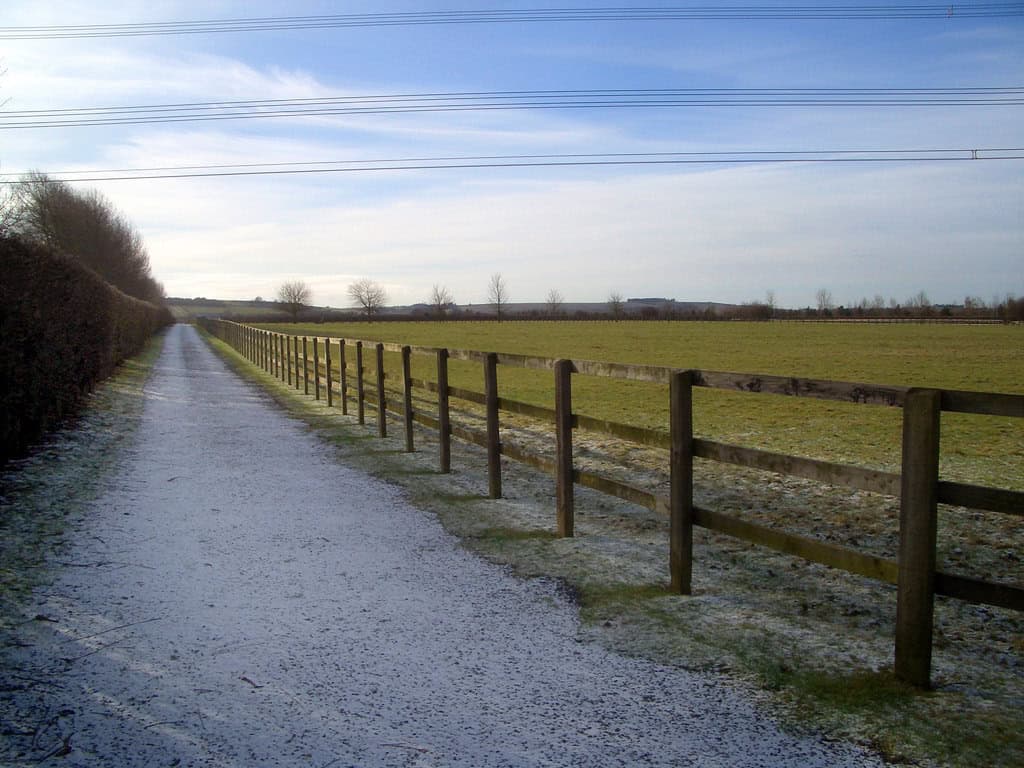
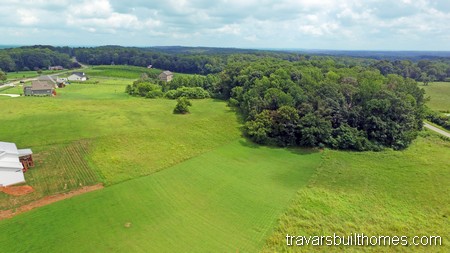
Homes built on land in Chatham County, Durham County, Alamance County, and Orange County often have unique grading, driveway slopes, well and septic locations, and tree lines. Photos rarely reveal:
- True grading angles
- Drainage paths
- Topography shifts
- Exterior mechanical clearances
- Ceiling height perception
NC Cooperative Extension specifically notes that site conditions such as soils, slope, and drainage cannot be fully evaluated without physical inspection.
When Are Walks Most Important?
We recommend being physically present for:
- Pre-construction site meeting
- Framing/Electrical walk
- Pre-drywall walk
- Trim and interior detail walkthrough
These checkpoints align with NAHB’s recommended owner engagement points throughout construction.
FAQs
> Q: Do I need to attend every building walk if I live outside Chatham, Alamance, or Orange County?
A: No—while photos and updates help, the framing and pre-drywall walks are the most important to attend in person. Those stages are when layout, ceiling heights, and systems are easiest to understand and adjust. At Travars Built Homes, we help out-of-town clients prioritize the walkthroughs that matter most.
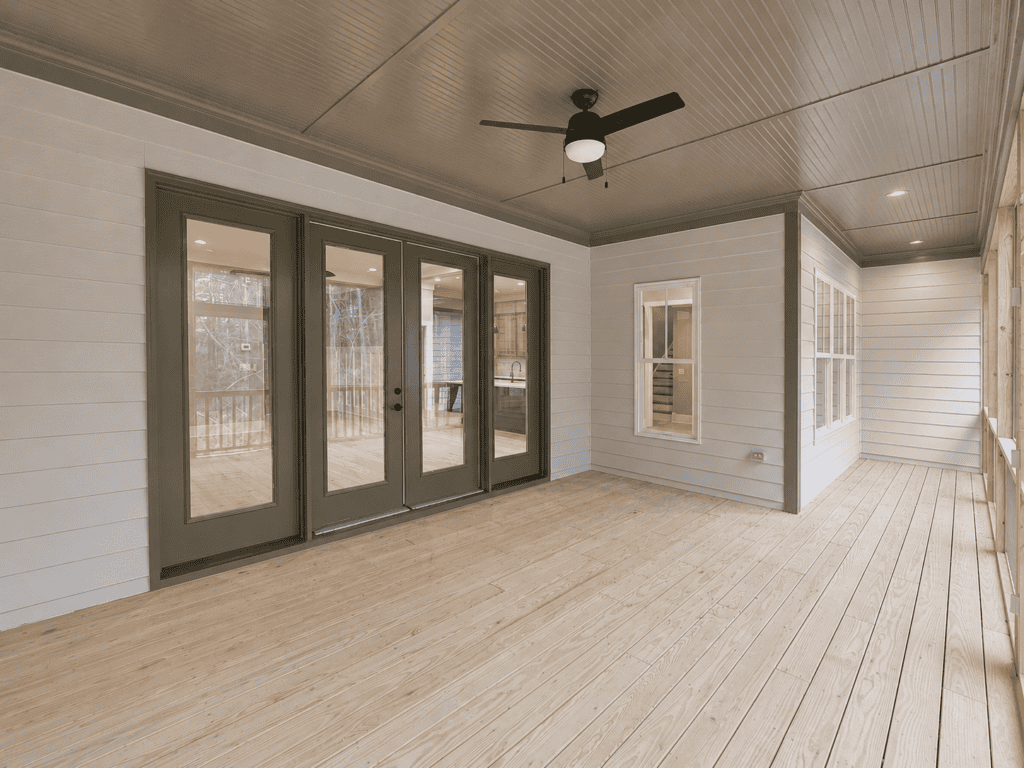
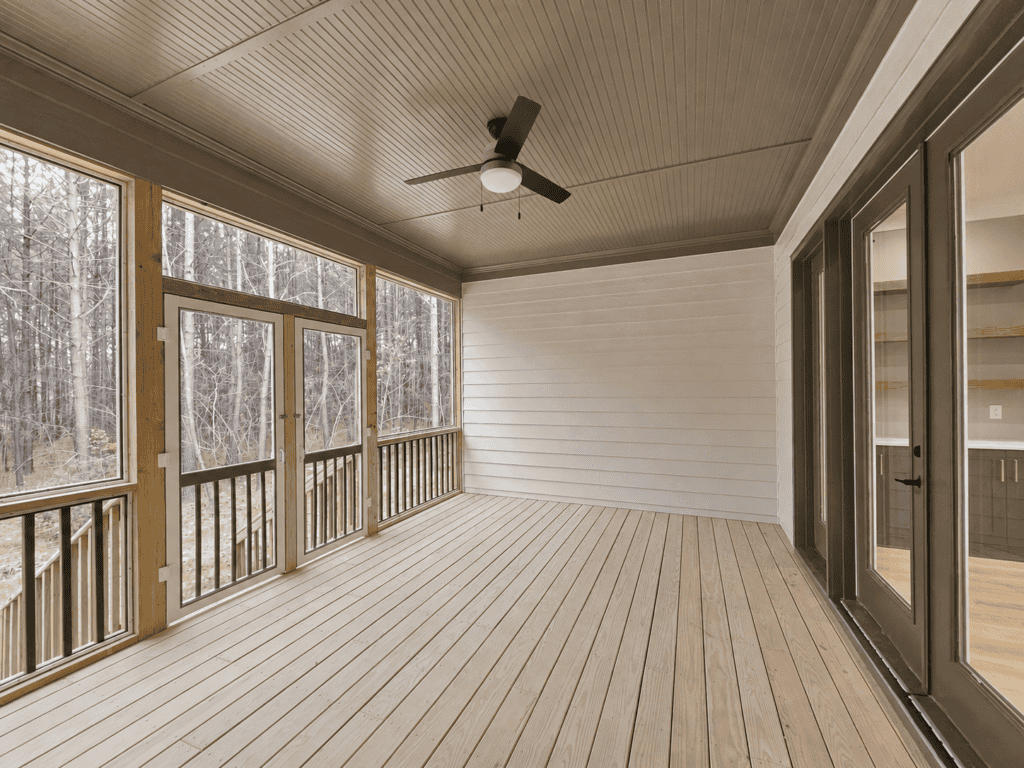
> Q: Can construction photos replace on-site visits for homes built around Pittsboro, Chapel Hill, or Hillsborough?
A: Photos are helpful for tracking progress, but they can’t fully show scale, sightlines, or how spaces connect. Being on site reveals details that are hard to interpret on a screen, especially on wooded or sloped lots common in this area. We use photos to supplement—not replace—clear, in-person conversations.
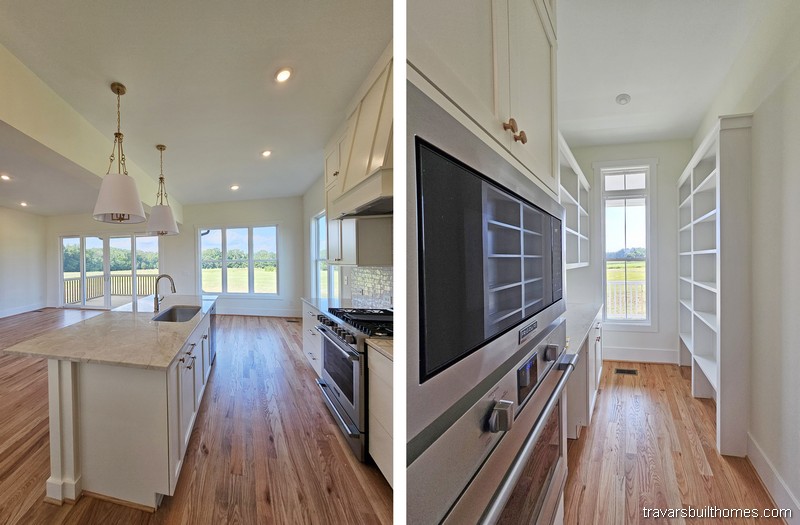
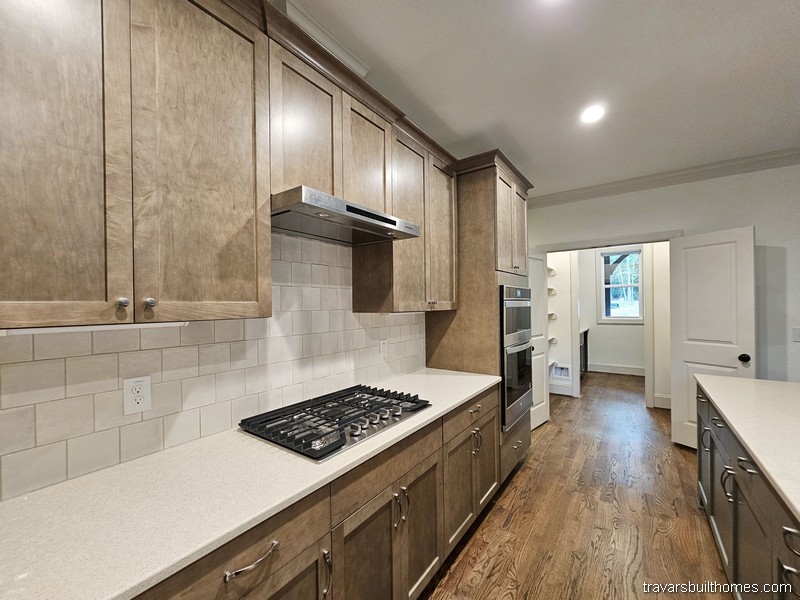
> Q: What if I don’t know what I’m looking at during a construction walk in Chatham or Durham County?
A: That’s completely normal—most homeowners don’t, and that’s okay. Your builder should explain what you’re seeing, what matters at that stage, and what decisions (if any) need attention. Our role is to guide each walk so you leave feeling informed, not overwhelmed.
See Also
- “What to Expect When Building a Custom Home on Rural Land in NC”— a practical look at wells, septic, site prep, and how rural land shapes your build timeline and decisions.
- “What Should I Look For During a Pre-Drywall Walkthrough?”— a step-by-step guide to understanding mechanicals, insulation placement, and what your builder wants you to confirm before walls are closed.
- “What Happens After Your Custom Home Is Completed?”— a clear overview of warranties, punch list steps, maintenance expectations, and how your builder supports you long after move-in.
Have any Questions? Get in Touch Today!
Sources:
- https://www.huduser.gov/portal//Publications/pdf/qualityconnection.pdf
- https://www.huduser.gov/portal/portal/sites/default/files/pdf/Offsite-Construction-for-Housing-Research-Roadmap.pdf
- https://www.huduser.gov/portal/Publications/pdf/industrialization.pdf
- https://www.nahb.org/education-and-events/education/on-demand-education-courses/site-planning-approvals-and-construction